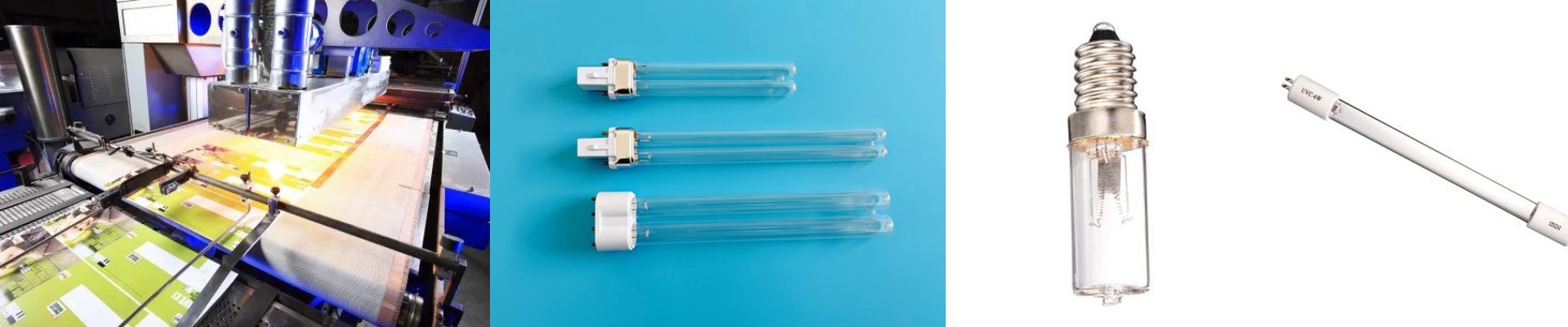
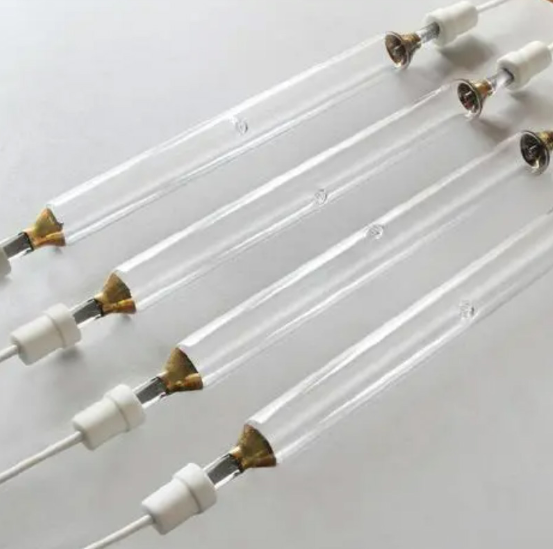
Let’s talk about the 120W/cm Mercury UV Lamp
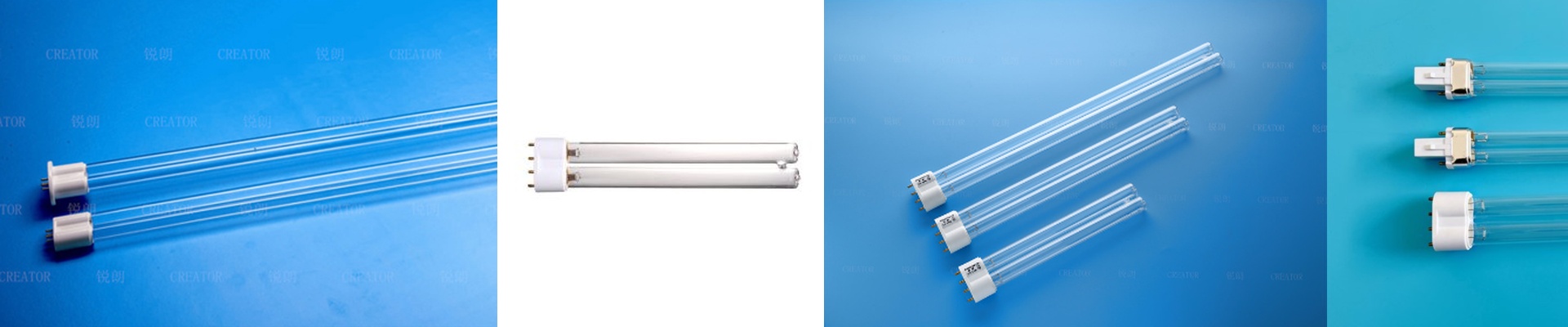
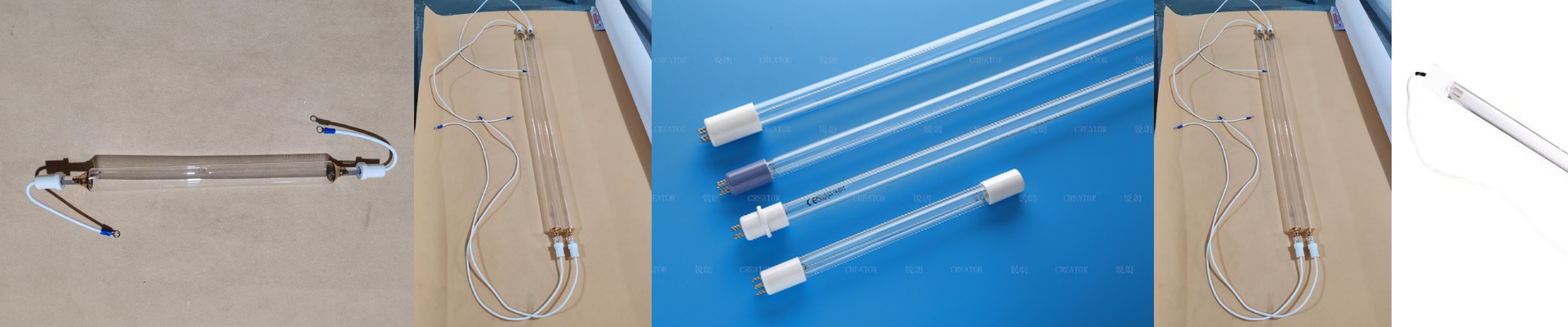
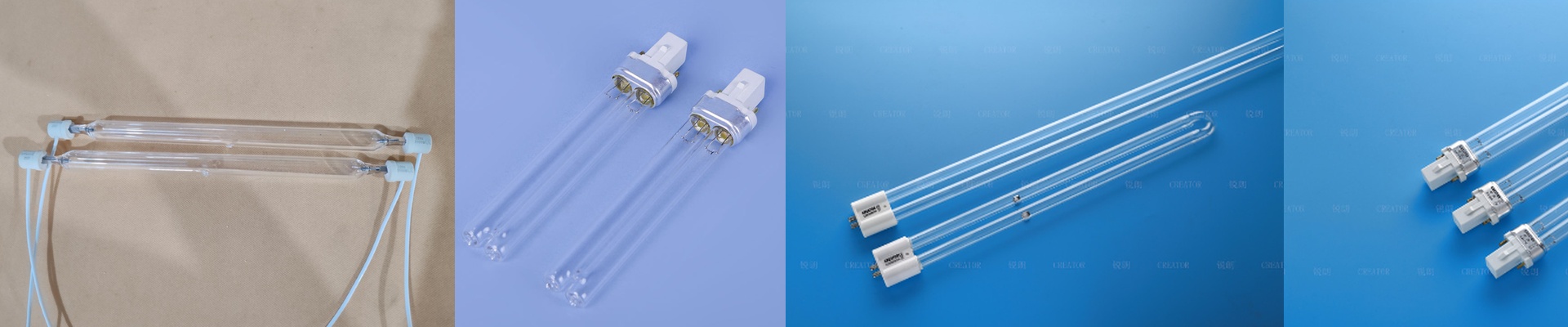
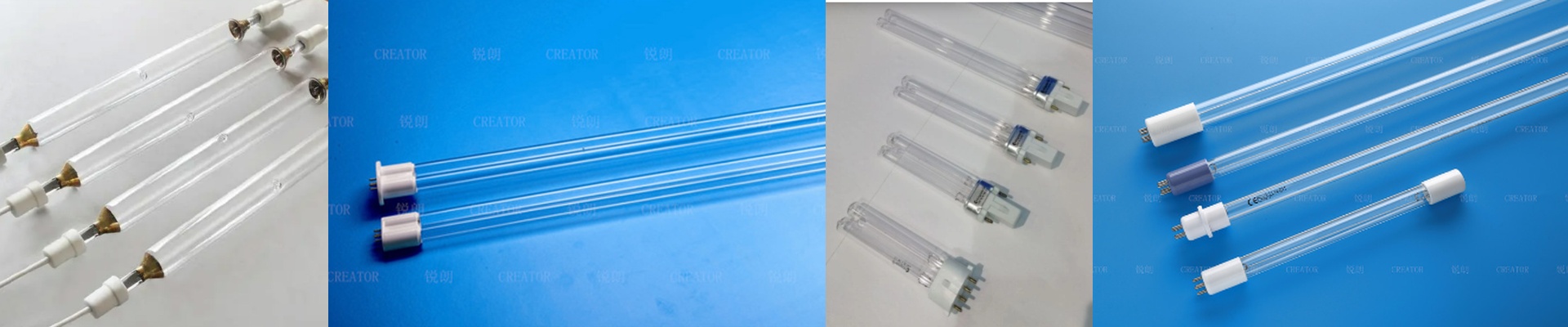
We build our standard mercury lamps at 120W per centimeter. If you’ve been in the curing game for a while, you know that’s the sweet spot. It’s the industry standard for a reason: it gives you enough punch to trigger those photoinitiators in your inks and coatings, but it won’t melt your equipment like those high-pressure systems do. The power and the light Think of 120W/cm as packing a ton of energy into a very small space. We use mercury vapor to create a broad spectrum of light, mostly hitting the UVC and UVB ranges. Why does that matter? Because it means you’re curing the surface and the deeper layers at the same time. No guesswork. Just a consistent cure across your conveyor. Just make sure you space your lamps correctly—nobody likes “cold spots” in the middle of a production run. The glass and the heat We use high-purity fused quartz for the envelope. Regular glass is useless here; it would block the UV rays and probably melt on the spot. Quartz lets the shortwave radiation slide right through. But here is the catch:**these things get hot.**Really hot. If your air blast or water-cooling isn’t dialed in, you’re going to stress the quartz. That leads to premature burnouts, and that’s money down the drain. Keep an eye on your temperatures and stay within the rated window. Your lamps will thank you by lasting a lot longer. How we keep costs down We handle everything ourselves—from shaping the quartz to welding the electrodes. No middlemen, no extra markups. By sticking to the 120W/cm spec, we can batch-produce the reflectors and electrodes. That lets us drop the price for you without cutting corners on the materials that keep the arc stable. Plus, they’re designed to be drop-in replacements, so they should slide right into most standard UV presses without any headache.