Getting Your UV Sterilization Right (Without Wasting Power)
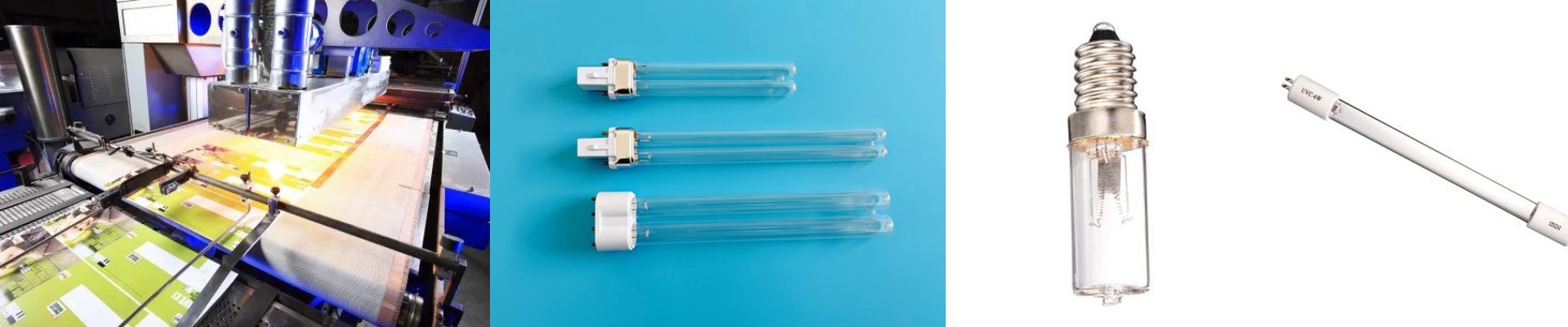
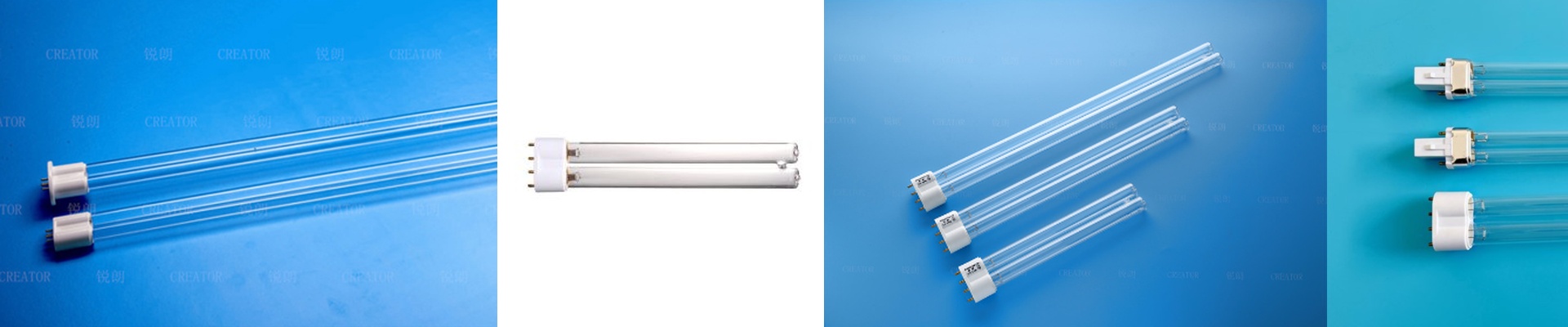
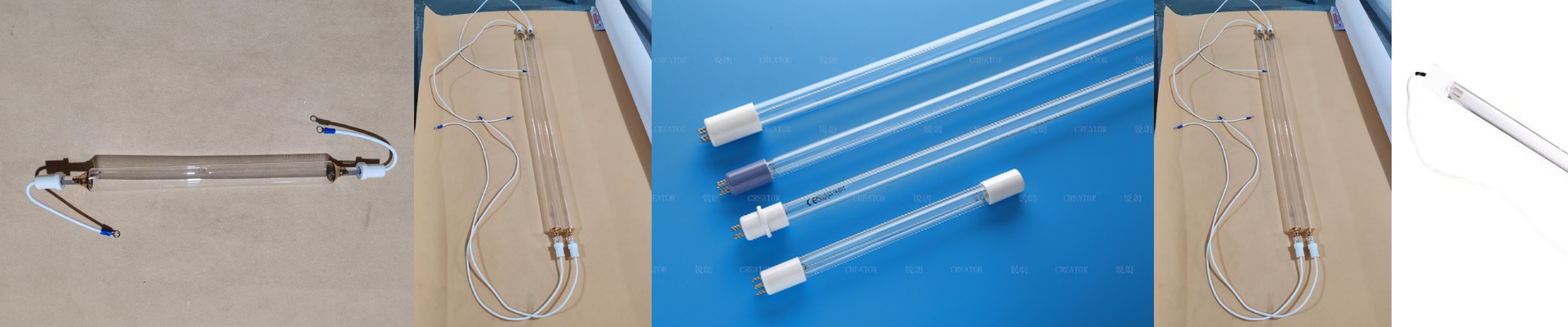
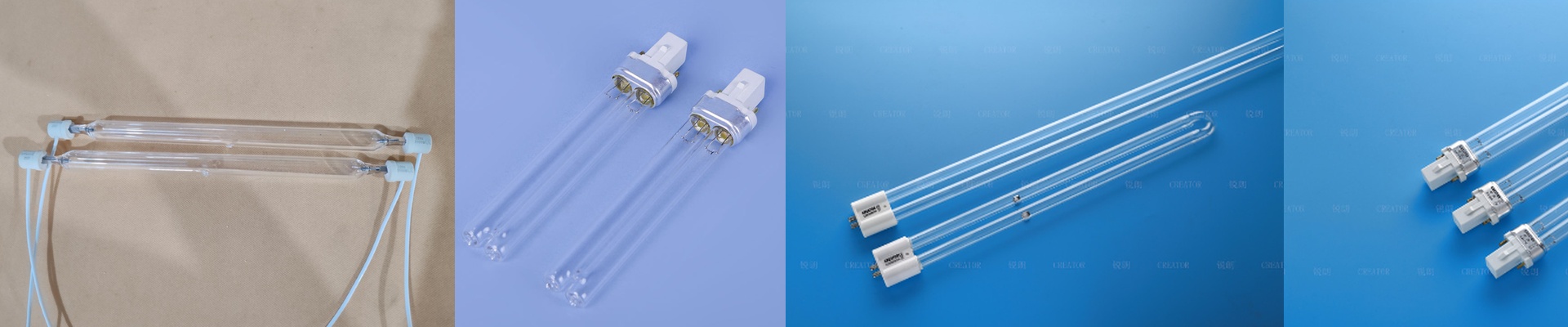
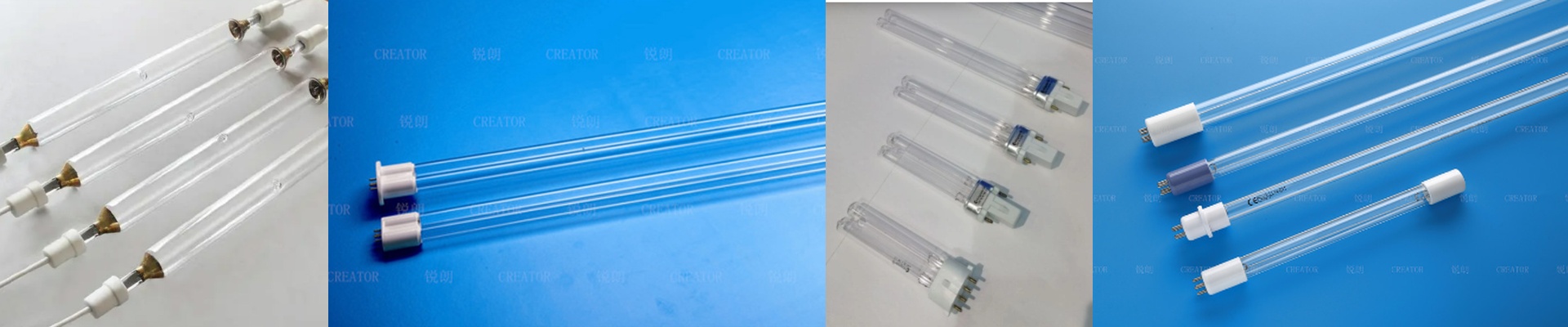
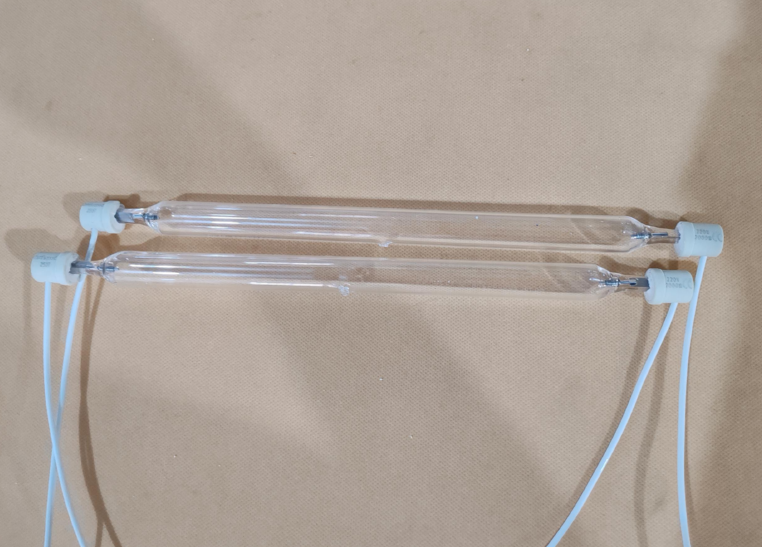
We spent some time at the 2026 Printing Exhibition showing off our custom UV germicidal modules. Now, these aren’t your typical bulbs you’d pick up from a catalog. We built them specifically for high-speed printing lines—the kind of environments where one tiny bit of contamination can scrap an entire batch of material. The secret is in the science. Most shops are using old-school lamps that basically act like expensive space heaters, wasting a ton of energy. We decided to change how the light is actually produced. By tweaking the gas mix and the shape of the electrodes, we managed to squeeze more UVC out of every watt. We locked in on the 253.7nm wavelength. That’s the “sweet spot” for breaking down the DNA of germs. The result? You get the same cleaning power, but your power bill doesn’t spike. Fitting them into your setup We wanted these to be a “plug and play” situation. You shouldn’t have to tear apart your entire chassis just to upgrade your lights. We used high-purity quartz glass so the UV light actually gets through, and more importantly, so the tubes don’t get cloudy and dim over time. One quick heads-up, though. Because these are so intense, they get hot—especially at the ends of the lamps. If you’re stuffing these into a tight box, make sure your exhaust fans are actually doing their job. You want to keep that ballast under 60°C. If it overheats, you’re going to kill your lamp life by about 20%, and nobody wants to replace bulbs more often than they have to. Making it work on the floor When you’re running a conveyor, you can’t have any “blind spots.” A few gaps in the light, and you’ve got a problem. To fix this, we set our modules up in staggered arrays. It creates a solid curtain of UV light that hits every single square inch of the material. You get a faster kill rate and quicker curing, and you don’t have to slow down your line to make it happen. It’s a simple win for any engineer who wants to stop overpaying for electricity without risking the quality of the print.