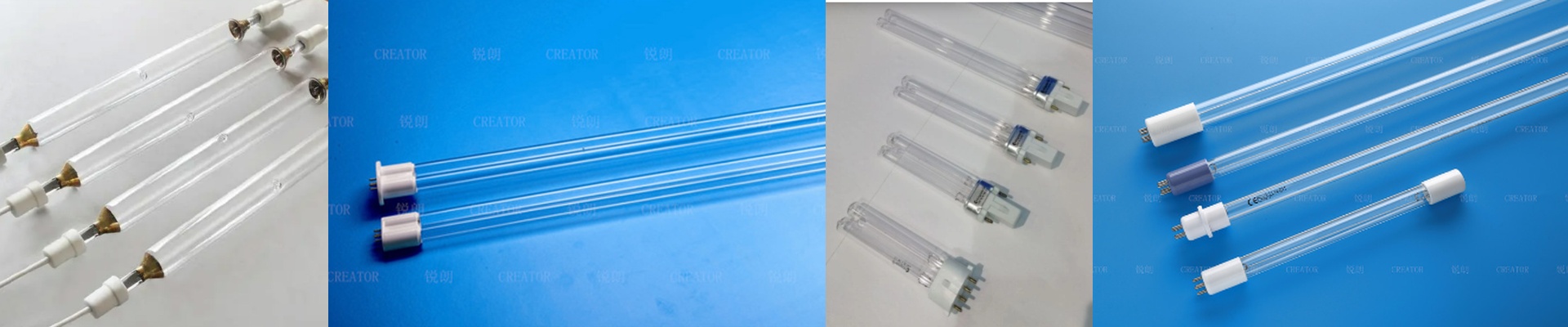
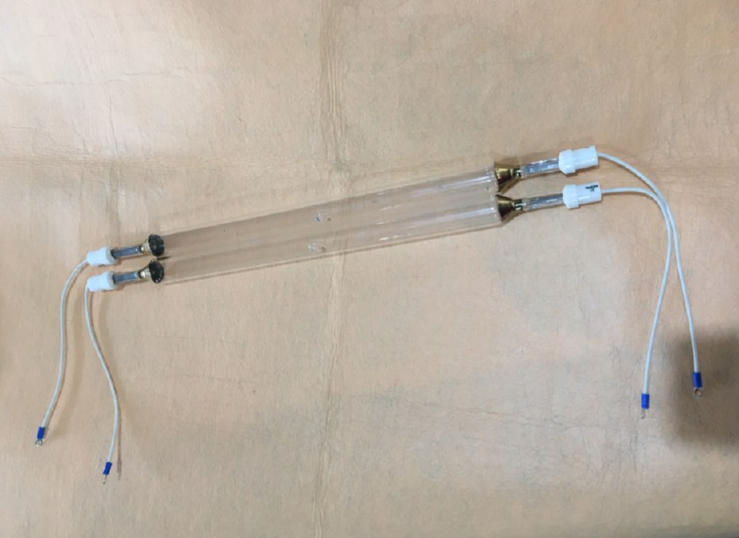
Why we settled on 80W/cm for our UV lamps
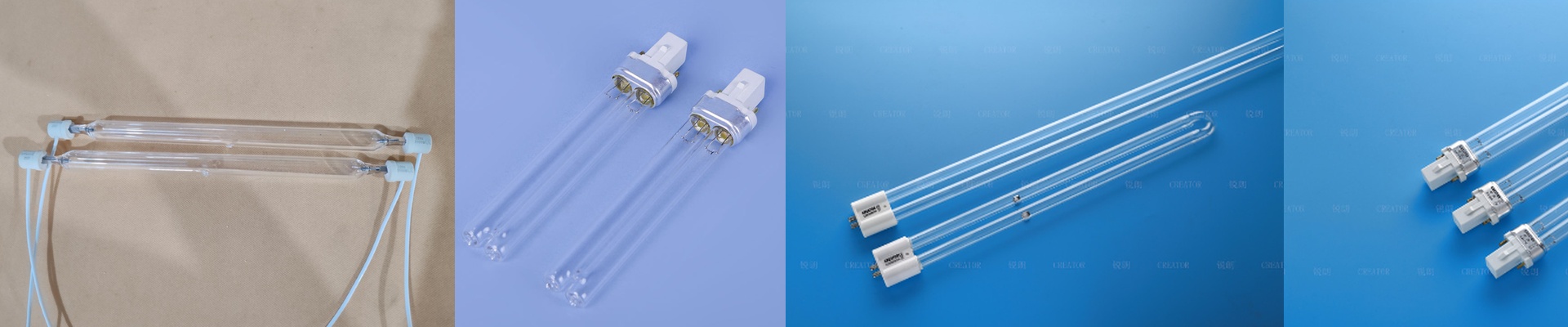
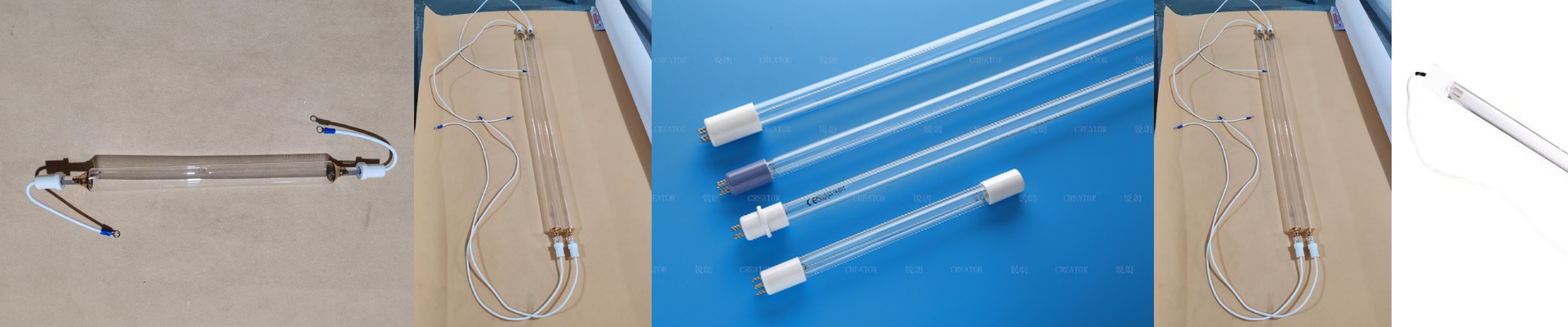
When we were designing our Standard mercury UV lamp modules, we landed on a power density of 80W/cm. It might look like just another number on a spec sheet, but in the real world of industrial printing, it’s the “sweet spot.” It’s enough punch to cure those thick, stubborn inks quickly, but not so much that you end up scorching your materials.
Getting the cure right
Here is the thing about mercury vapor lamps: they blast UVC and UVB radiation to get the job done. By hitting that 80W/cm mark, we’re making sure the energy actually digs deep into the ink. We’ve all seen “surface curing”—where the top looks dry, but the bottom is still a gooey mess. That’s a nightmare because the ink just peels right off. With this setup, the cure is consistent all the way through. No surprises.
Dealing with the heat
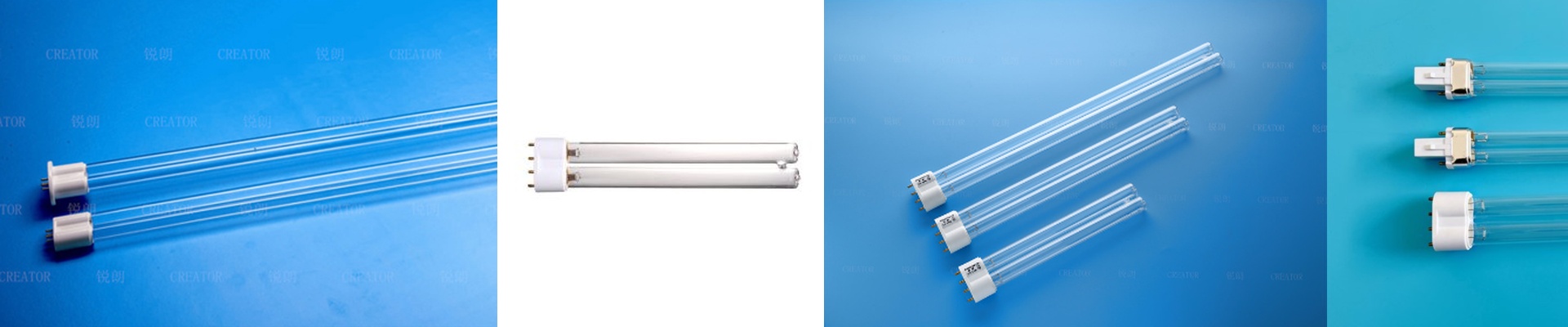
Running a lamp at this power level creates a lot of heat. Like, a lot. If you don’t move that heat away immediately, your PET or paper is going to warp. To stop that from happening, we built the lamps into custom modules with aluminum heat sinks and forced-air cooling. It keeps things stable so you can keep the line moving. We also didn’t cut corners on the glass. We use high-grade quartz for the envelope. Cheap glass blocks the short-wave spectrum, which means you’re paying for power that never even reaches the ink. Our quartz lets the UV fly straight through.
Fitting it into your line
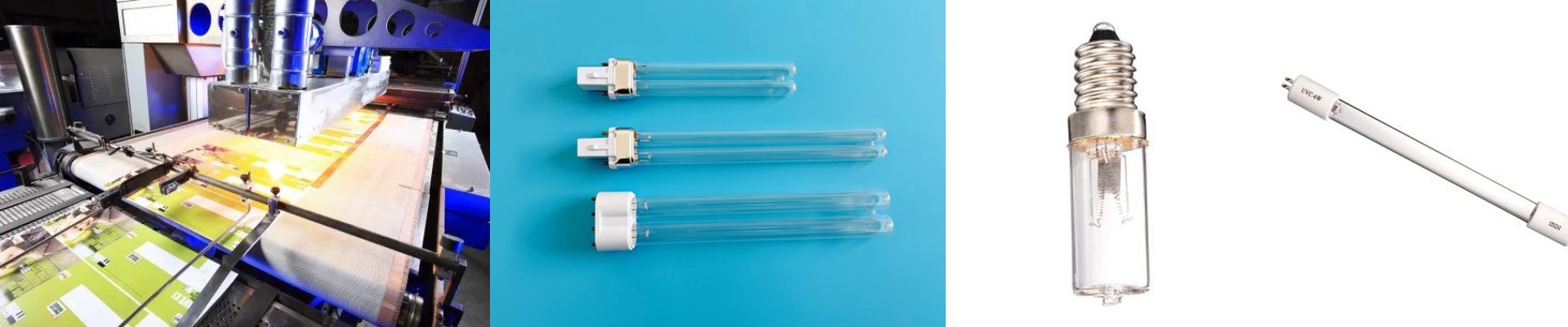
We know space is usually tight in a curing tunnel, so we kept the footprint small. These are meant to be drop-in replacements—no need to rebuild your entire line just to upgrade your lamps. But a word of warning: 80W/cm is powerful. If your conveyor is crawling, you’re going to burn your material. You’ve got to sync your line speed with the lamp’s output. When you first fire it up, grab a calibrated sensor and dial in your dwell time. It takes a minute, but it saves you from wasting a whole roll of substrate.