Introduction
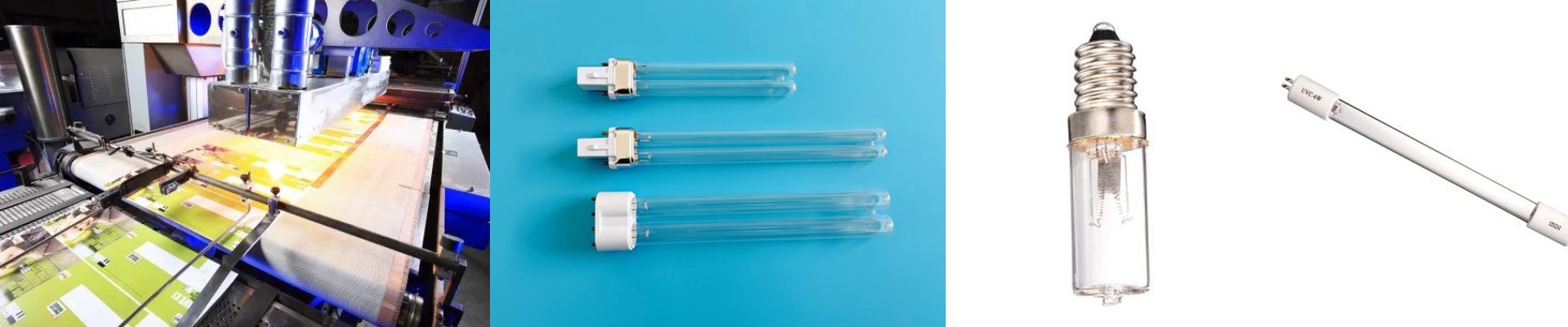
In screen printing, it’s all about that “spray and dry immediately” rhythm. You need a UV lamp that wakes up fast, so the line never has to stop and catch its breath. And that brings us to the real question: mercury or metal halide? Each one has its own personality—its own way of throwing light and heat. Pick the wrong one, and your whole pace grinds to a halt.
Technical Deep-Dive
Mercury lamps hit hard at 254nm and 365nm. That’s perfect when you’re working with hard-cure inks and coatings that need a quick, clean set. Metal halide lamps take a different approach. They add dopants to spread the spectrum wider, filling in the gaps so pigmented and thick-layer inks cure evenly. But when you’re running nonstop, you need a lamp that hits full power the second you flip the switch. Mercury lamps tend to snap on fast. Metal halide lamps, on the other hand, need a warm-up to settle their metal salts. If you’re printing 100+ pieces an hour, that warm-up time starts to feel like a traffic jam.
Material & Design
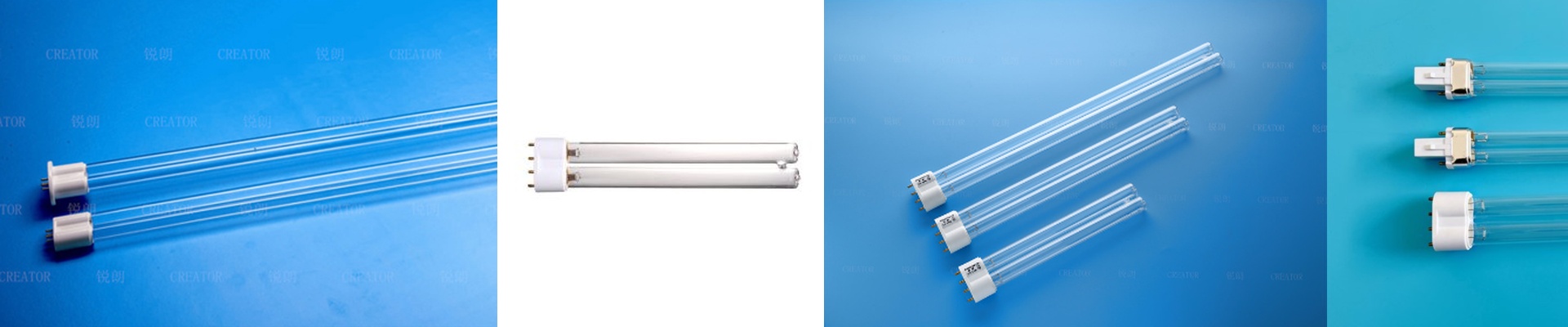
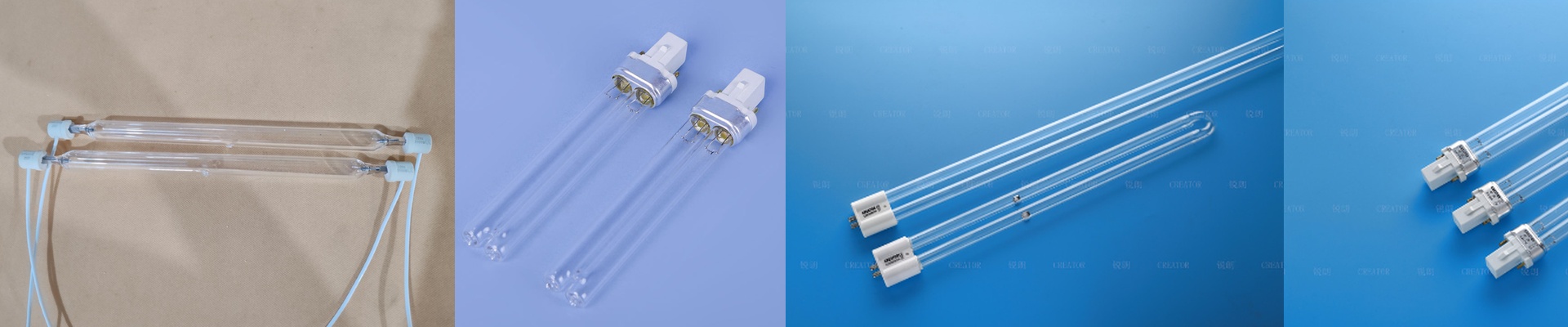
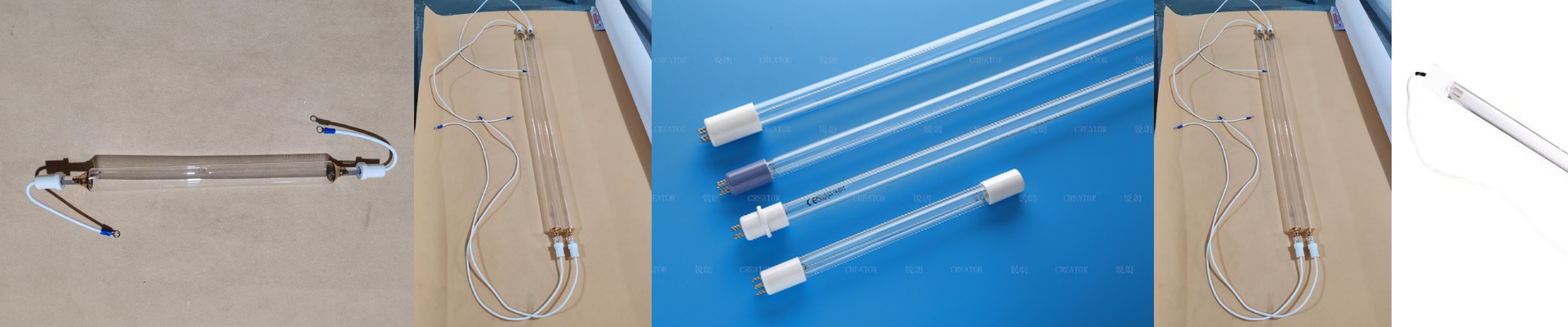
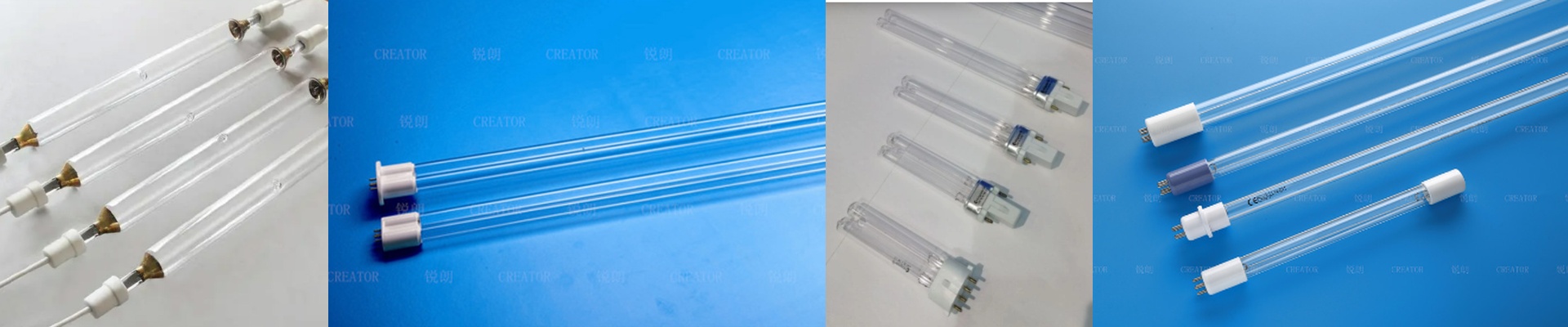
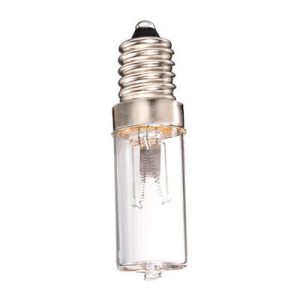
We build both types with a quartz arc tube because it can handle the shock of constant starts and the heat of high power. Inside, the electrodes and fill pressure are tuned to keep the arc steady and the spectrum consistent. The end caps are designed for direct, low-resistance connections, so you can wire it in and drop it straight into your existing setup. The quartz envelope takes the heat, sure, but it still needs good airflow and a properly aligned reflector to keep the workpiece temperature under control.
Application & Benefits
Go with a mercury lamp when you need maximum intensity for clear, thin layers and you want to keep the line moving at top speed. Choose metal halide when your ink is thick, heavily pigmented, or needs a broader spectrum for a truly even cure. Here’s the trade-off: metal halide gives you wider coverage, but it asks for a stable power supply and a controlled thermal environment to keep the spectrum from drifting. Mercury gives you raw speed, but it can struggle with thick or deeply colored deposits. Match the lamp to the ink, and you get that instant-dry performance you’re after—without cutting corners on quality.