Getting the Most Out of Your UV Lamps
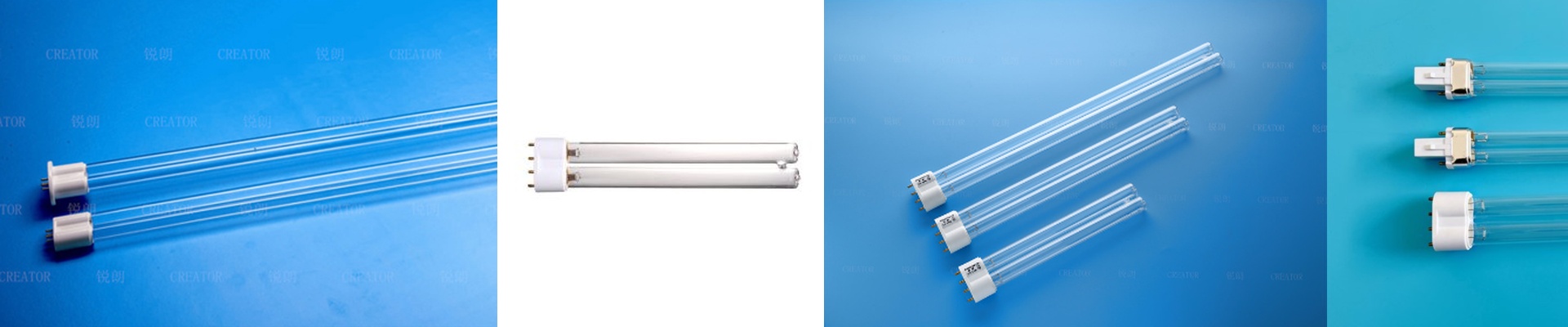
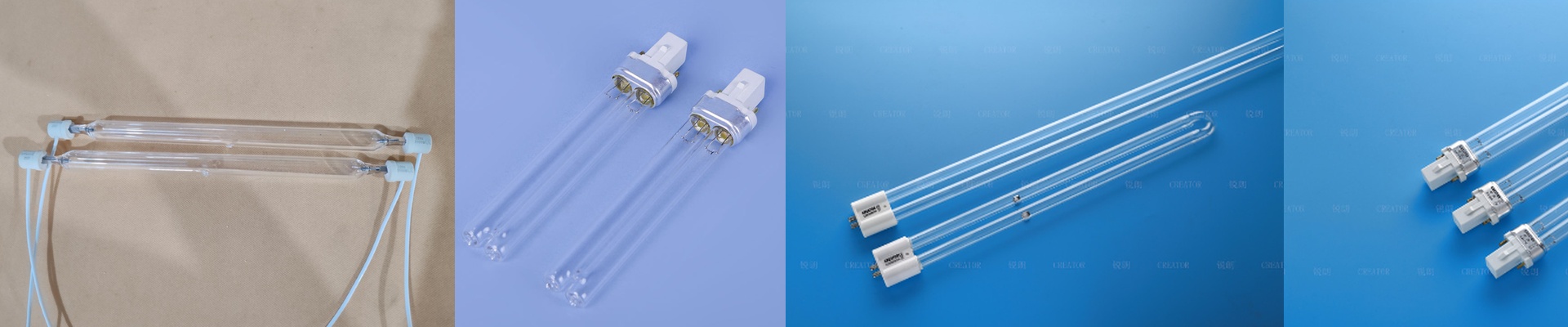
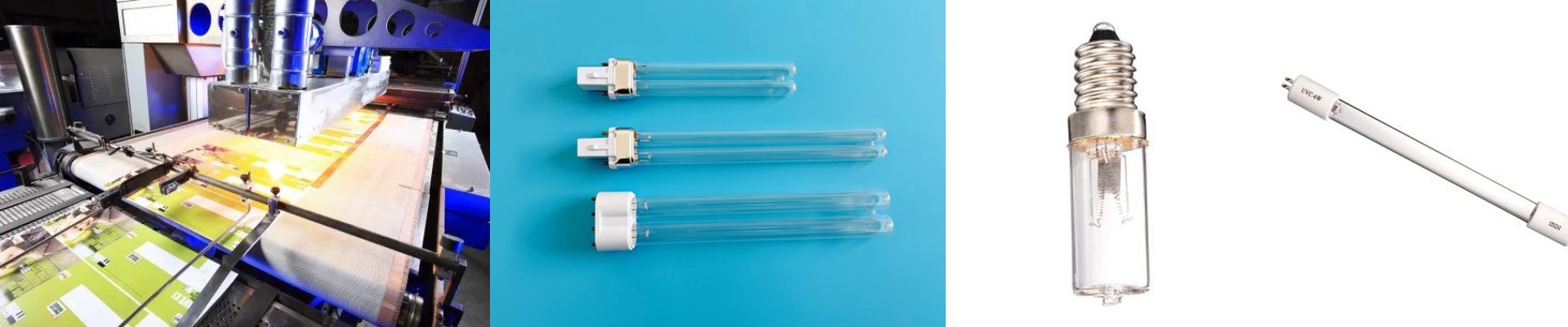
Most wholesale UV bulbs are kind of a shot in the dark. They throw out a broad spectrum of light, but if you’re doing serious industrial curing or sterilization, a lot of that energy is just… wasted. We spent a ton of time in R&D figuring out how to tighten that focus. We managed to get the spectral energy concentration down to a 0.5% variance. This isn’t some sales pitch. It’s just basic physics. If the photons aren’t hitting the right spot, they aren’t doing the job.
Why that 0.5% actually matters
To get this kind of precision, we had to rethink everything. The gas mix, the purity of the quartz—all of it. Standard lamps tend to drift. The pressure inside the tube fluctuates, and the wavelength shifts. To stop that, we tightened the vacuum seals and got way more surgical with how we dose the mercury. Why bother? Because if your spectrum shifts even a tiny bit, your photoinitiators won’t trigger. That’s how you end up with a part that feels tacky to the touch or polymers that didn’t cure all the way through.Nobody wants to pull a batch of sticky parts off the line.
Dealing with the heat
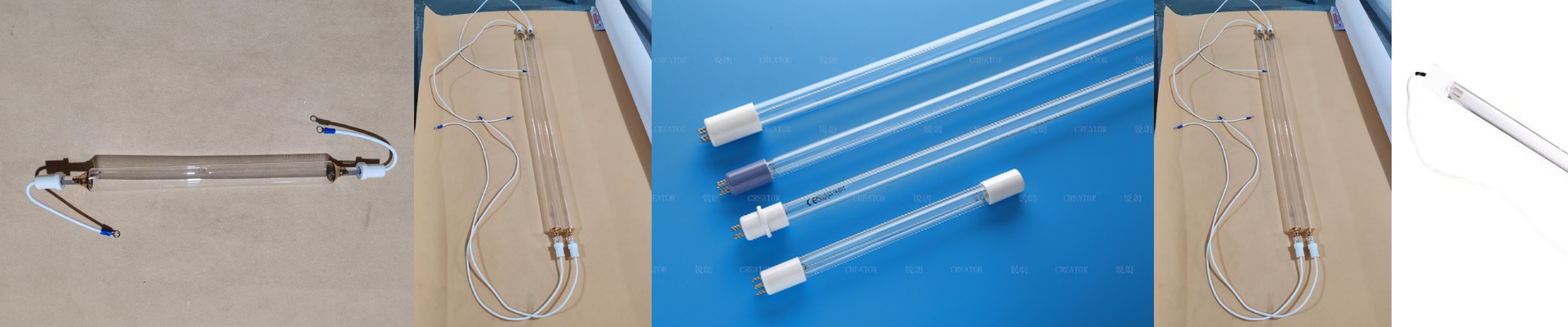
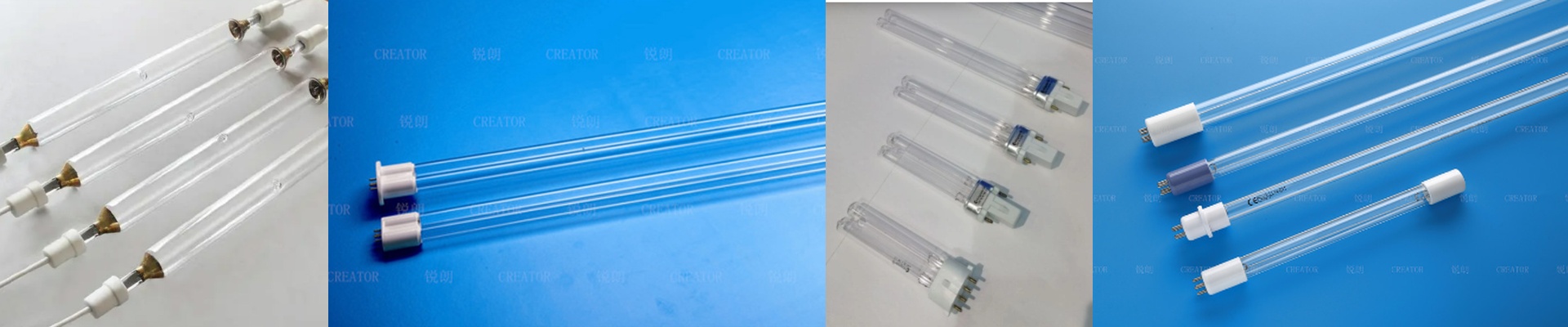
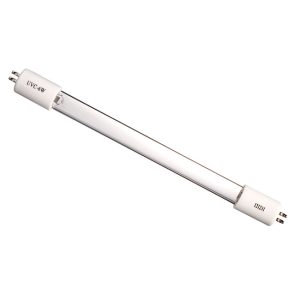
We use high-transmittance fused quartz. Basically, we made sure the glass doesn’t soak up the UV light it’s supposed to be letting through. But here’s the thing: high-wattage mercury bulbs get hot. Really hot. If you’re cramming these into a tight space, you’ve got to make sure your cooling fans are up to the task. Without enough airflow, the quartz gets stressed. That leads to the lamp burning out way too early or the spectrum drifting again. Keep them cool, and they’ll last.
Putting them to work
These are designed to be simple drop-in replacements for your current industrial arrays. We also focused on electrode stability, which stops the ends of the bulbs from blackening out so quickly. You get a much steadier output for the entire life of the lamp. One heads-up, though. Getting this level of precision requires a steady diet of power. If your ballast is jumping around, you lose that spectral edge. Use a stabilized power supply. It’s a small tweak, but it cuts down on waste and speeds up your curing cycles because every single photon is hitting the target.