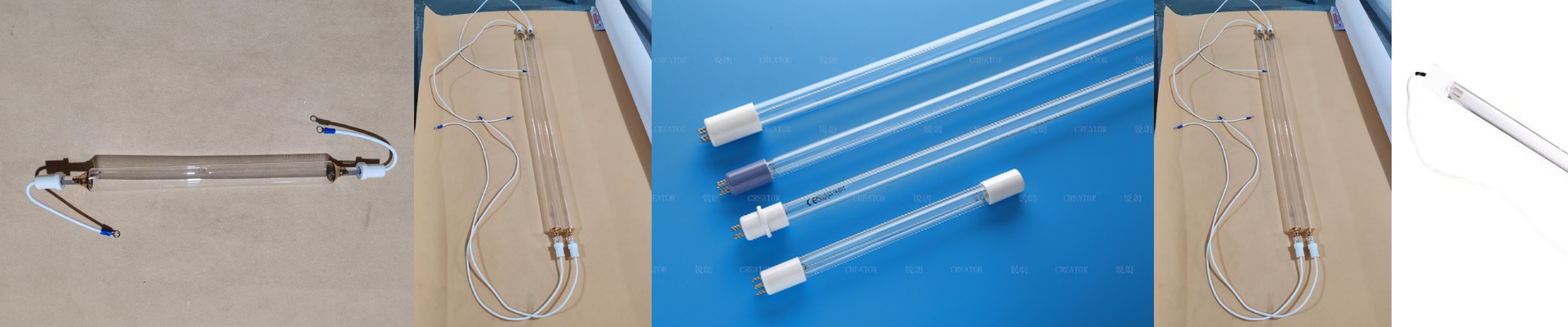
Dealing with Electrical Noise in Gallium Iodide UV Arrays
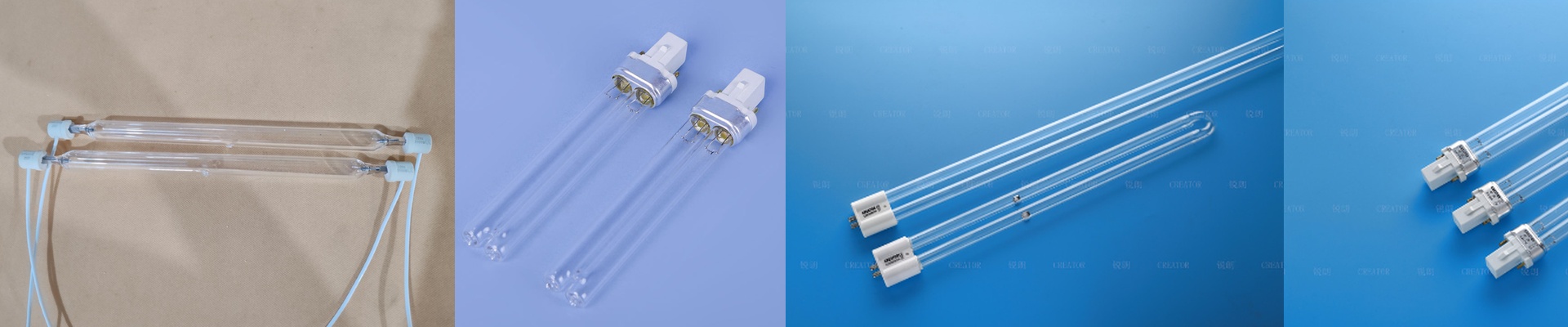
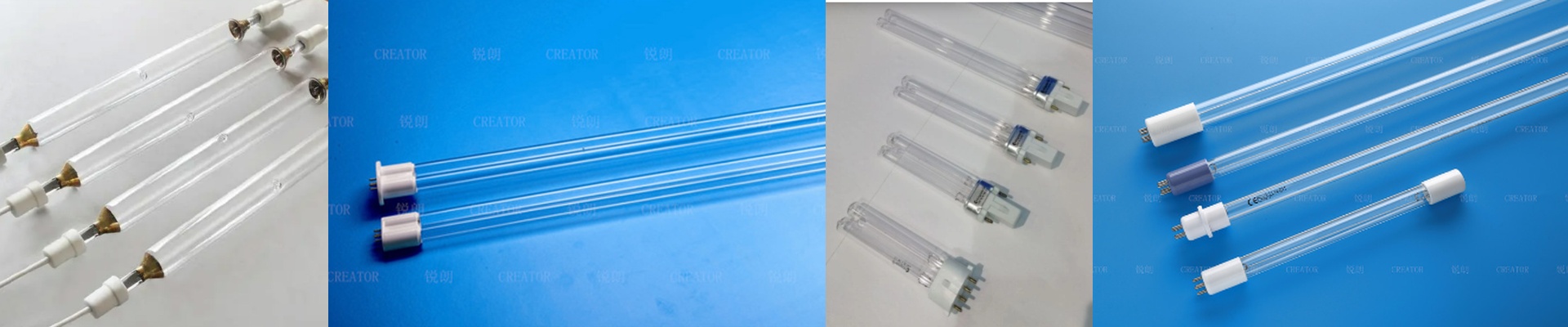
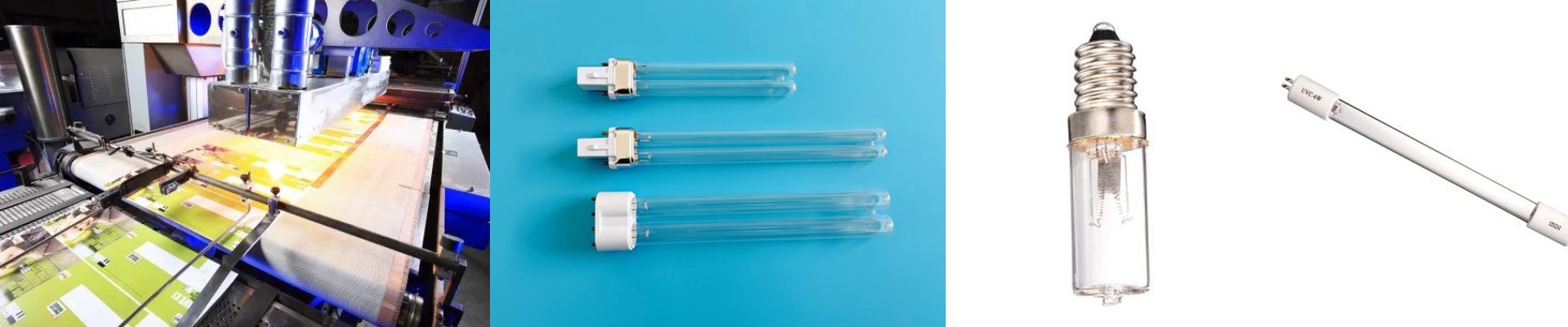
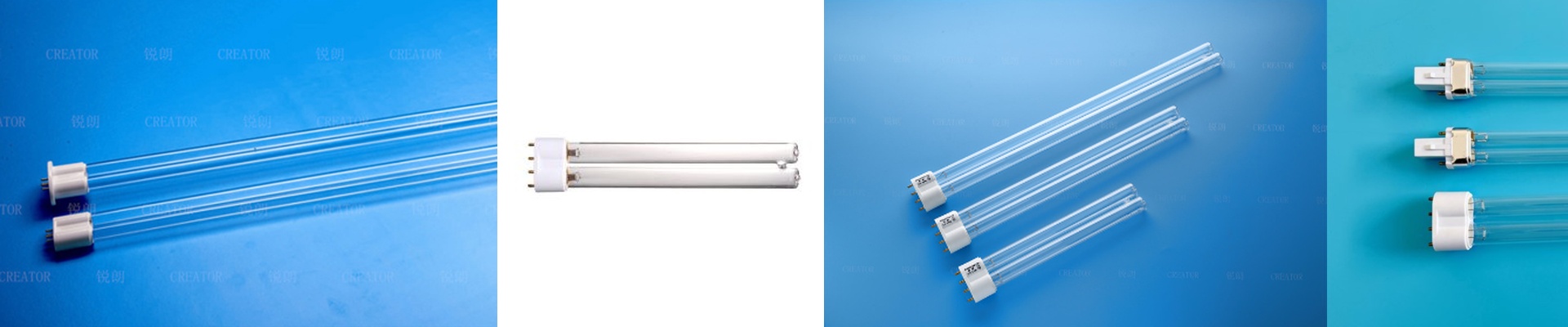
Standard mercury vapor lamps just don’t cut it for deep-cure jobs. That’s why we build these custom gallium iodide tubes—they’re made specifically for those stubborn, high-density inks and coatings that refuse to dry. But here’s the thing: in a real production shop, the UV output is only half the battle. The real headache is the electrical noise.
The Chaos of the Shop Floor
If you’ve got a few large printing presses running in the same room, you know it’s an electrical nightmare. Between the high-frequency power supplies and the heavy motors kicking in and out, the air is practically humming with electromagnetic interference (EMI). If your lamps aren’t built to handle that noise, things go south quickly. You’ll notice the lights flickering, your curing speeds will jump all over the place, or your ballasts will just burn out way too soon. It’s frustrating. We fix this by tweaking the internal electrode geometry and getting the gas mix in the gallium iodide fill just right. It keeps the plasma arc stable. Basically, it means your lamp keeps a steady discharge even when the power grid is taking a beating from the machinery next to it.
The Trade-off
Now, this kind of stability isn’t free. To stop the interference, we use high-grade quartz and electrode materials that don’t wear down (or “sputter”) as easily. You get a rock-solid output, but there’s a catch: these lamps need a more patient warm-up cycle than those cheap, generic tubes. If you try to rush the start-up, you’re just stressing the electrodes. Give them a minute. It’s worth it.
Putting Them to Work
You can swap these right into your existing lines. We’ve made sure the footprint and electrical load fit so you aren’t constantly tripping your breakers. When you have five presses humming at full tilt, you just want the curing line to stay consistent. No ghosting. No weird under-cured patches. Just a steady, reliable flow of UV light.