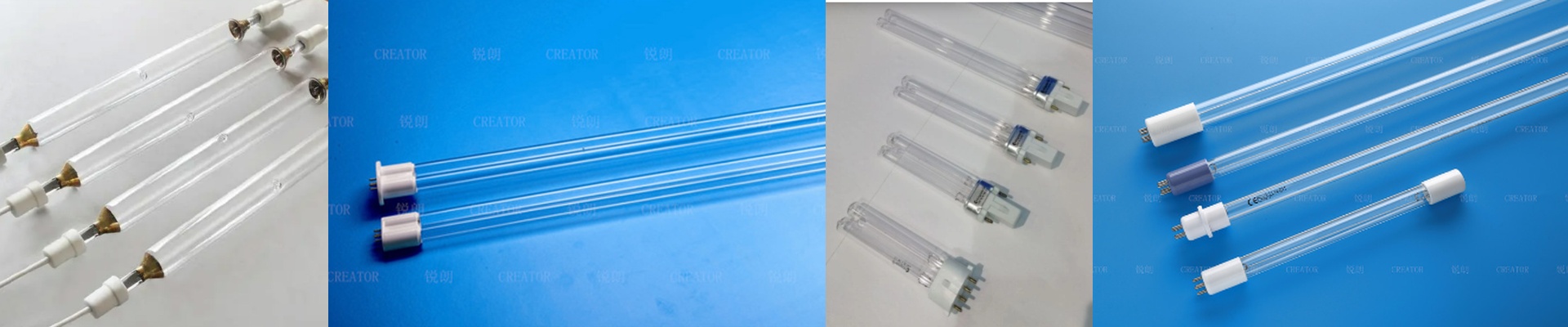
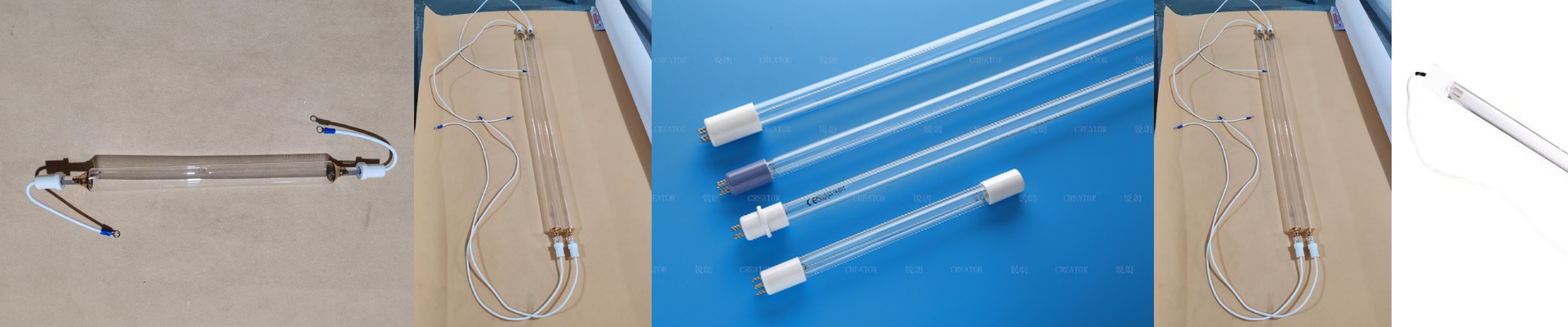
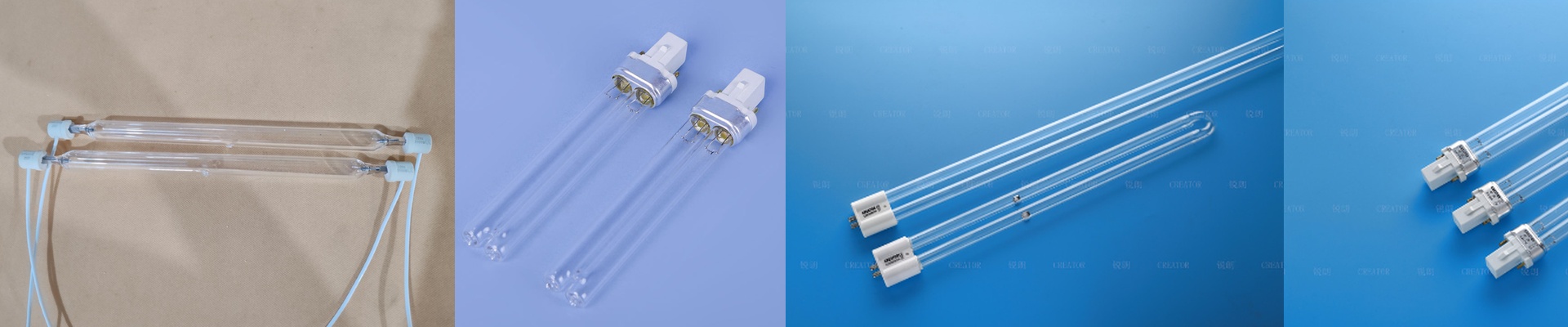
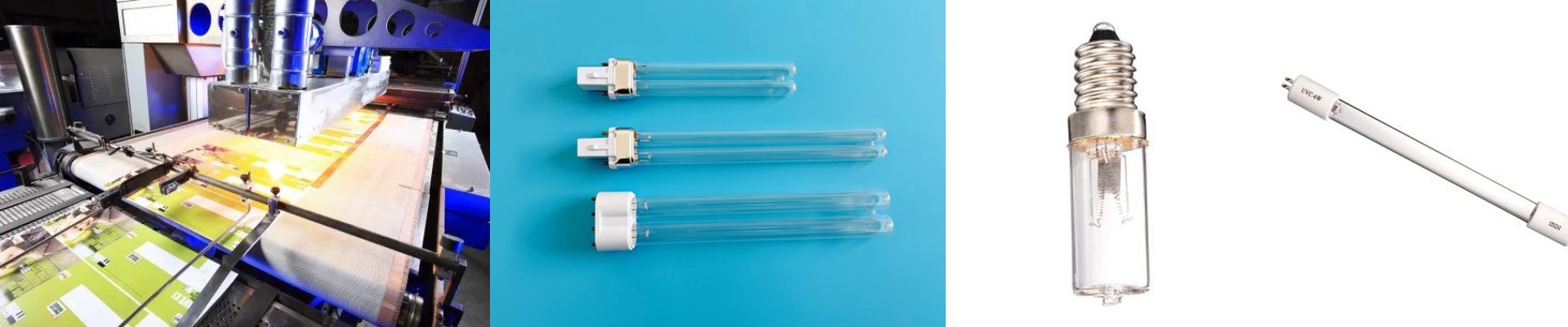
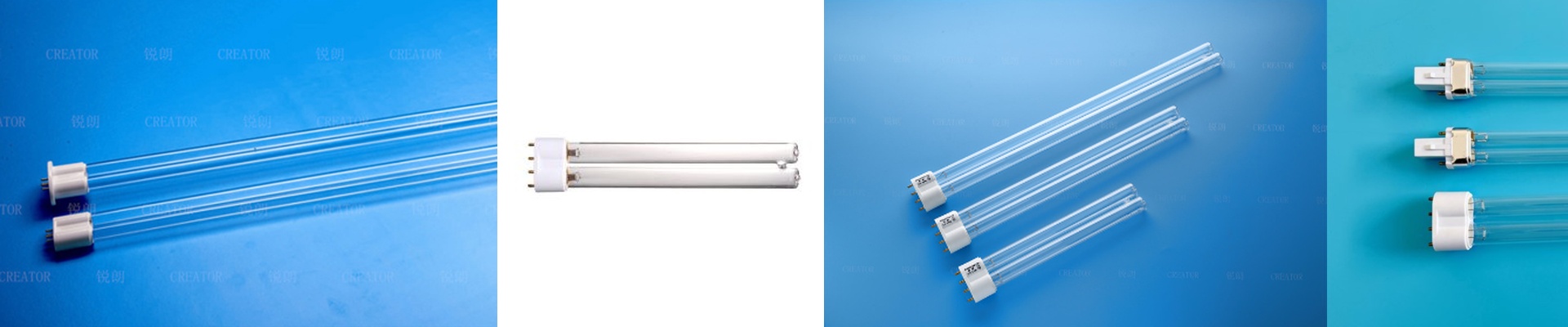
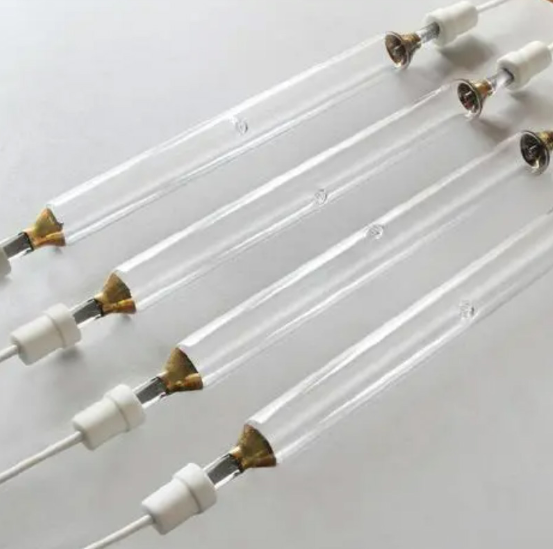
Let’s talk about CE certification for high-pressure mercury UV lamps
Look, a CE sticker on a box might look like just another piece of red tape. But when you’re dealing with high-pressure mercury lamps, it’s actually about whether your gear is going to hold up or blow up when things get intense on the shop floor. As we gear up for 2026, we aren’t just hunting for a logo. We’re making sure these lamps actually play nice with EU rules on voltage and electromagnetic interference.
What happens when you skip the certification?
These lamps are beasts. They run at crazy temperatures and high voltages to get that UV-C output you need. If the insulation is a bit too thin or the quartz glass has some junk in it, the lamp won’t just stop working—it could arc. That’s a nightmare scenario. That’s why we’re obsessive about the materials. We use high-purity fused quartz so the tube doesn’t just crack the moment it hits thermal stress. Without that kind of verification, you’re basically gambling. You might end up with a lamp that can’t handle a 24/7 production cycle, and that’s a risk you just can’t afford.
Why the big players care
If you’re buying high-end gear in Europe or North America, you probably won’t even look at uncertified lamps. Why? Because nobody wants to plug something in and have it fry a fuse or send interference screaming through their PLC systems. The CE mark is basically a promise. It tells you the electrical footprint is stable. It means you can just drop the lamp in and get back to work without having to tear apart and rebuild your entire power cabinet.
The real cost of “cheap”
I’ll be honest: staying compliant costs more. Testing every single batch for leakage and spectral output takes time and money. You’re going to pay a bit more upfront for a CE-certified lamp. But here’s the thing. You’re paying for peace of mind. Sure, a cheap, uncertified lamp might save you 15% today. But one electrical short can kill your entire curing line for a whole shift. When you do the math on that kind of downtime, the “cheap” option becomes the most expensive mistake you can make. No plant manager wants that phone call at 3 AM.