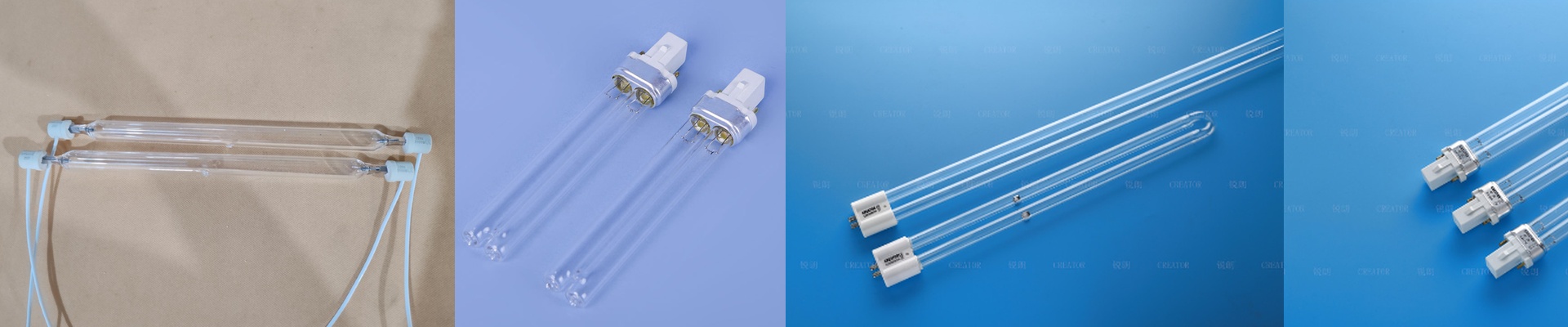
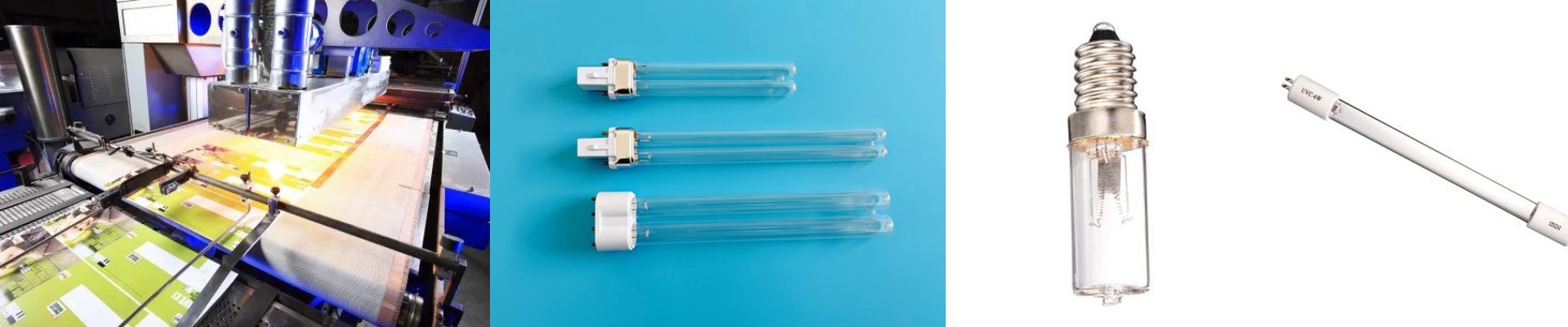
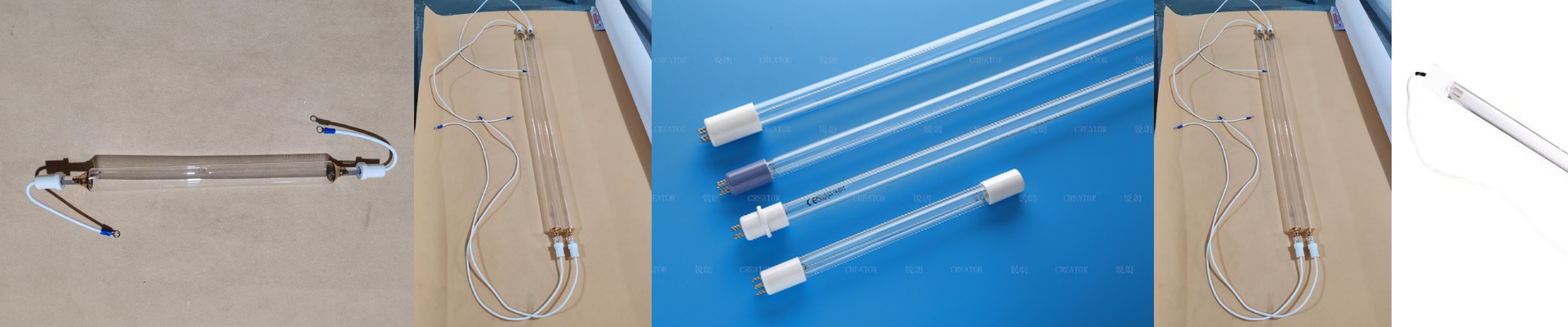
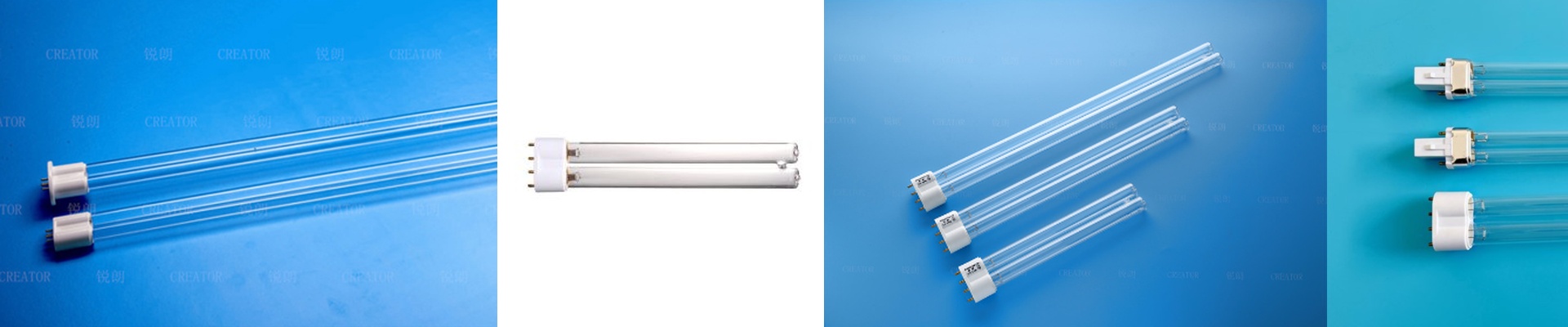
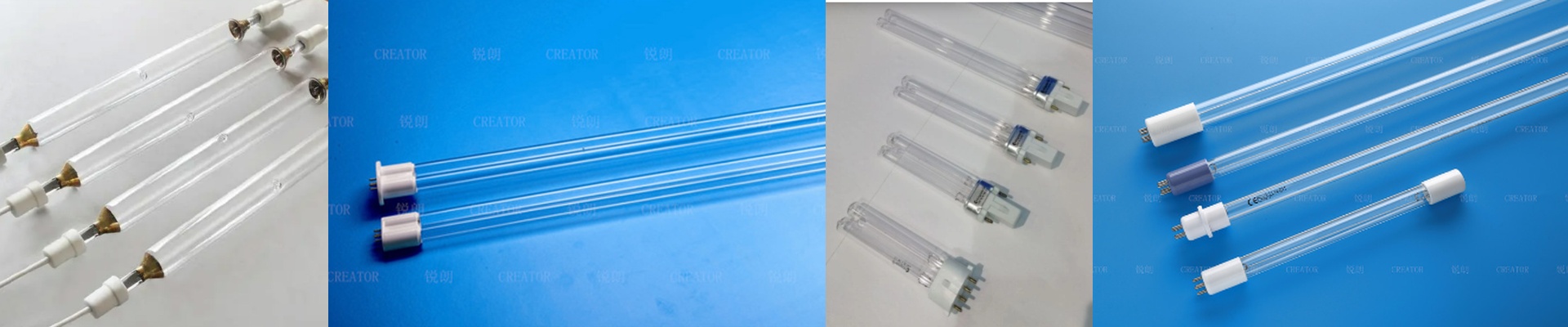
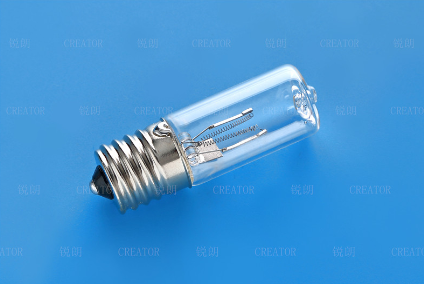
We’ve walked the floors of about 3,000 printing plants, and we noticed something frustrating. There is a massive difference between how a UV lamp performs in a sterile lab and how it actually handles the chaos of a real shop floor. Most off-the-shelf lamps just aren’t built for the real world. They don’t account for the brutal heat of a high-speed line or the fact that your conveyor footprint is probably tight and awkward. Getting the power right It all starts with your ink. If you’re running thick coatings, you need more punch—more wattage per inch—to make sure the cure goes all the way through. We spend a lot of time balancing UV-A and UV-C. Sure, cranking up the power density makes the line move faster, but it also pushes your material to its breaking point. If you try to cram 1000W into a tiny tube just to save some space, you’re going to end up scorching your paper or PET. It’s a delicate balance. Hardware that doesn’t quit These lamps need to take a beating. We use high-purity quartz glass because it lets the UV through and doesn’t burn out the moment things get stressful. But the real secret is in the reflectors. We use aluminum or dielectric coatings to bounce those photons right back onto the product. Otherwise, you’re just heating up the machine frame for no reason. And we keep the wiring dead simple. We use standard connectors so you can just drop these in and get back to work. Because if a connector is loose or your voltage jumps around, the arc gets unstable. That’s how you get those annoying curing streaks across your print. The tug-of-war: Speed vs. Heat Here’s the thing: more intensity means more throughput. But it also means your cooling system has to sweat. If your fans or water jackets aren’t up to the task, the lamp will simply overheat and die. We aren’t going to promise “perfect” curing. That’s not how physics works. Instead, we give you a calculated dose. You decide where you want to sit on the scale—spending more on energy to get your cycle times down.