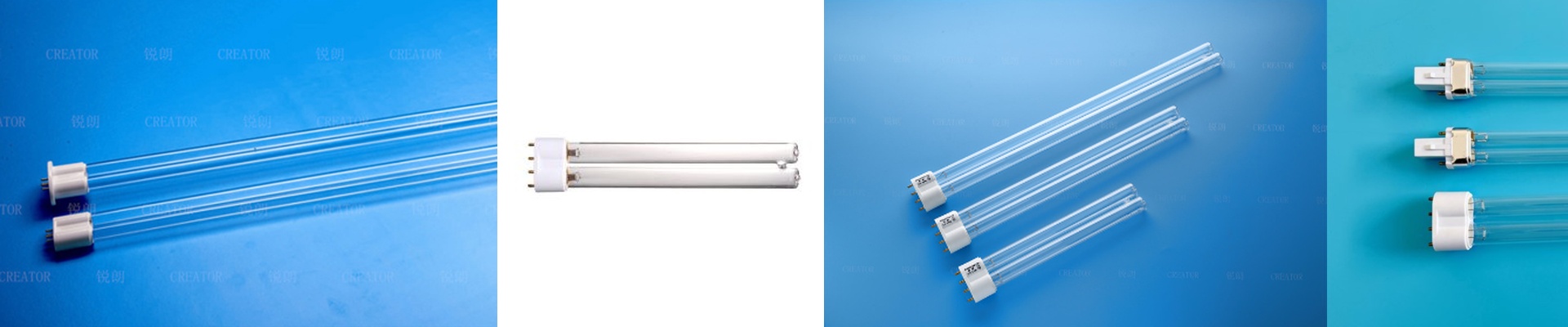
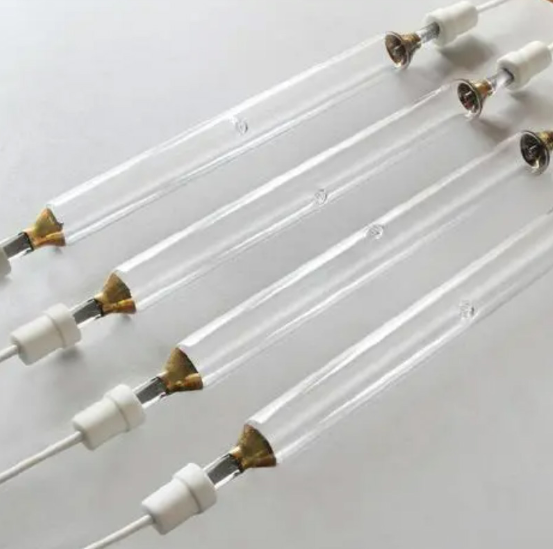
Why we handle everything ourselves when it comes to UV/IR lamps
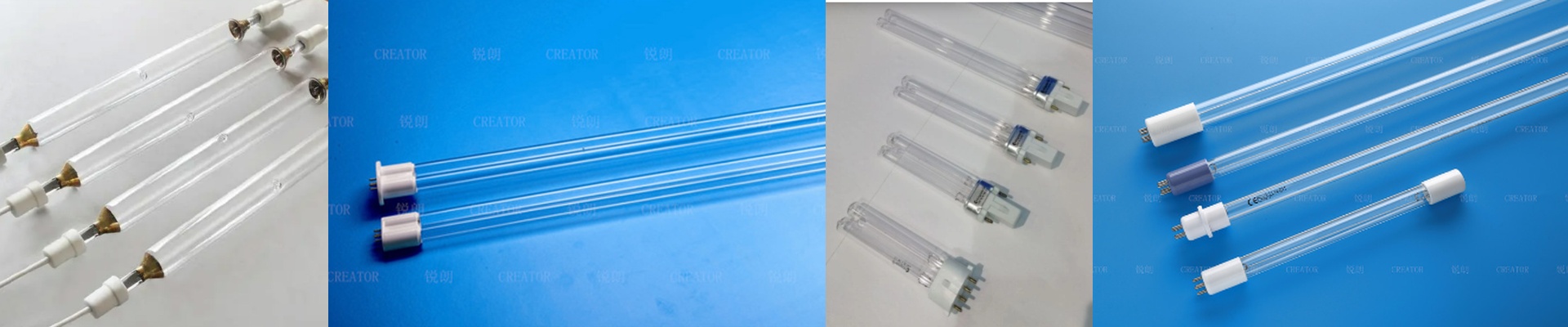
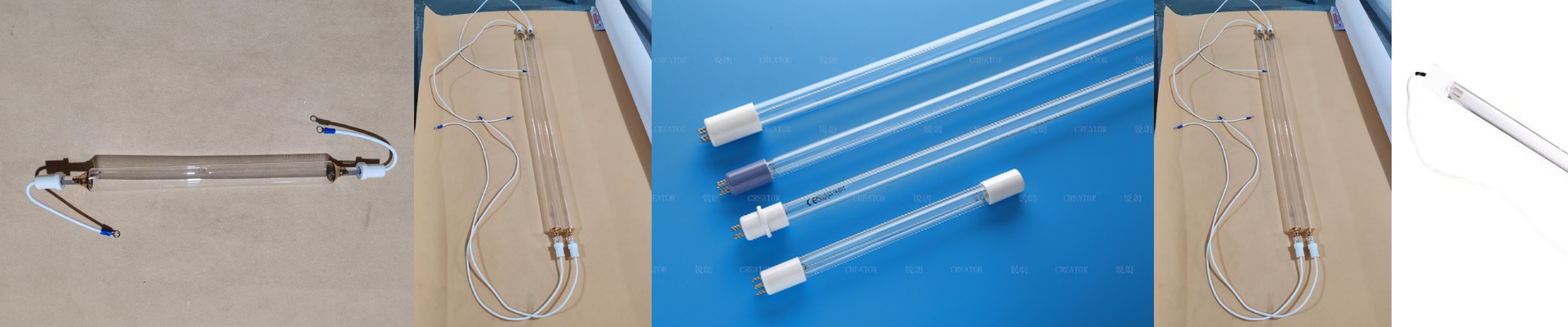
Usually, when you’re shopping for UV or IR lamps, you’re stuck with a crappy choice: go for the cheap wholesale option and pray they actually work, or pay a premium for something reliable. We decided to just fix that. We handle the whole thing. From sourcing the raw quartz to sealing the electrodes, it’s all done under one roof. Since we aren’t paying a middleman or some distributor’s warehouse rent, those extra costs don’t end up on your invoice.
Getting the power right
Whether you’re curing electronics with shortwave UV or blowing PET bottles with IR, it all comes down to power density. Here’s the deal: a high-wattage tube lets your line move faster. That’s great for productivity, but it’s tough on the glass. If the quartz can’t handle the heat expansion, it’ll crack. We use glass that can actually take the punch. Just a heads-up—if you’re pushing for max output, double-check your cooling fans. If the ends of the lamp overheat, you’ll fry the electrodes way sooner than you should.
No shortcuts on materials
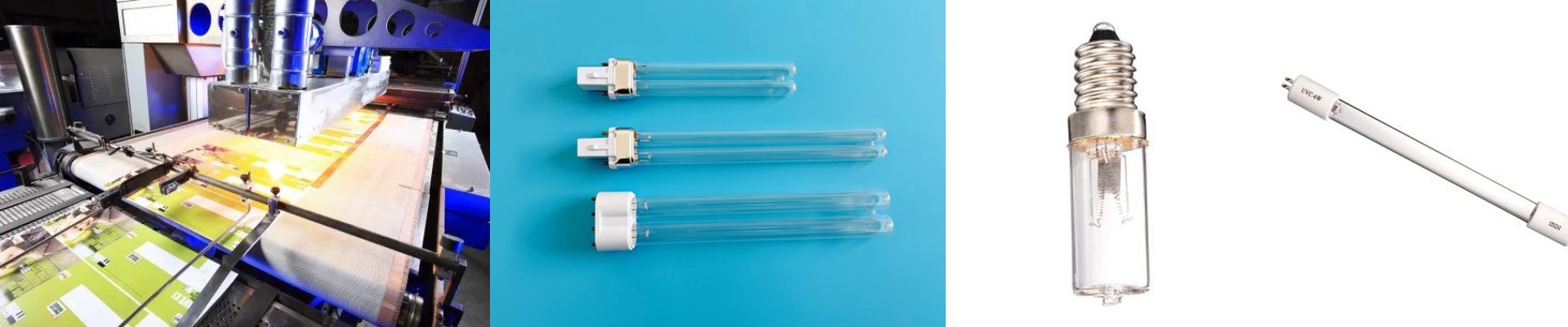
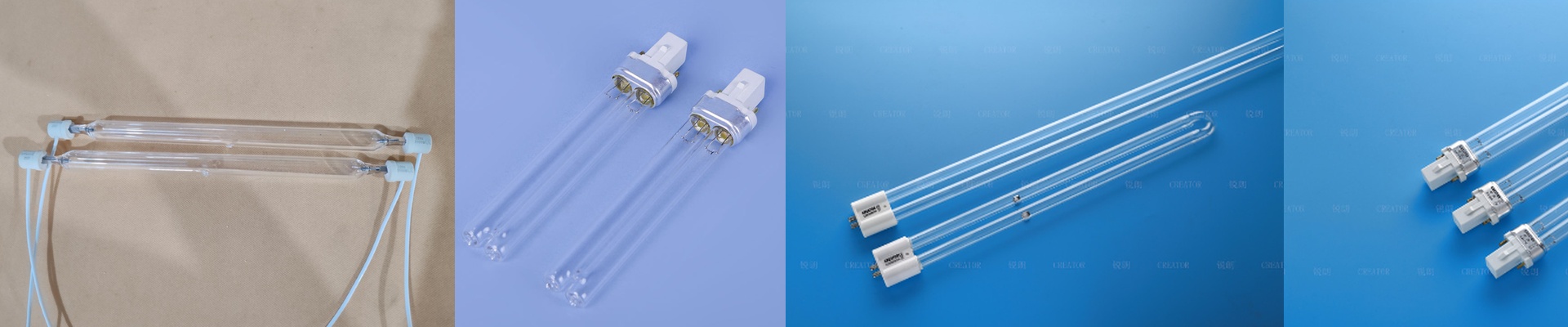
We use high-purity fused quartz. Why? Because cheap glass blocks the wavelength. If you use the low-grade stuff, you’re basically paying for electricity that just turns into wasted heat. And we aren’t into those “proprietary” pins that lock you into one vendor for life. We stick to the basics—R7s, Sk15—so these lamps just slide right into your existing rigs. No fuss, no special adapters.
The real cost of a lamp
The price on the tag isn’t the real cost. The real cost is how much it costs you to keep the lights on every hour. By controlling the entire build, we keep the filament winding and gas filling incredibly consistent. This is a big deal for your floor. It means your curing times stay the same across a batch of 100 lamps. You won’t have one tube that finishes the job in 3 seconds and another that takes 5. When your output is stable, you stop throwing away scrapped parts. That’s where the real savings happen.