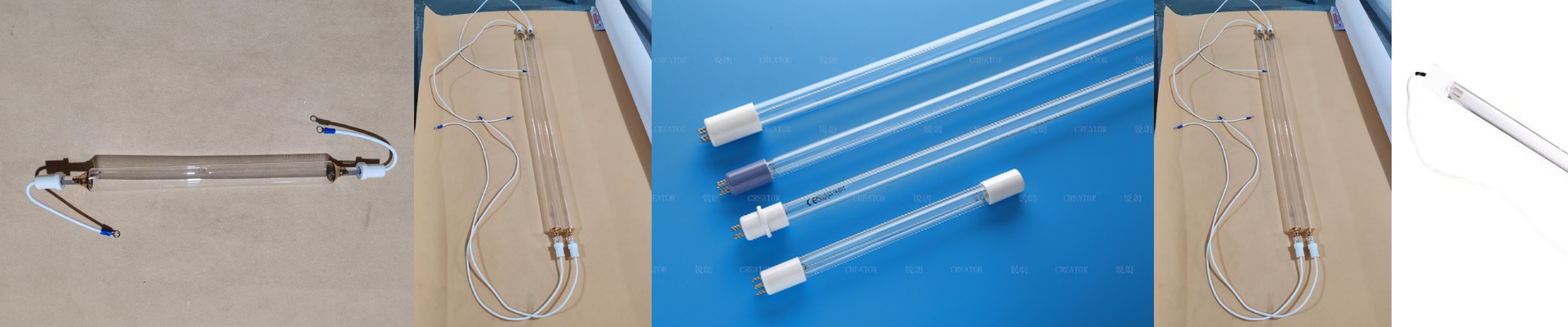
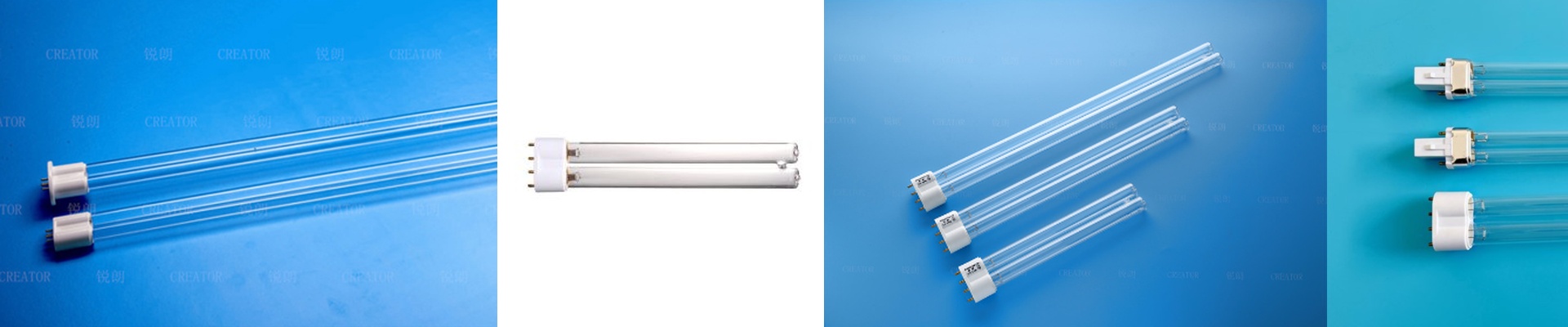
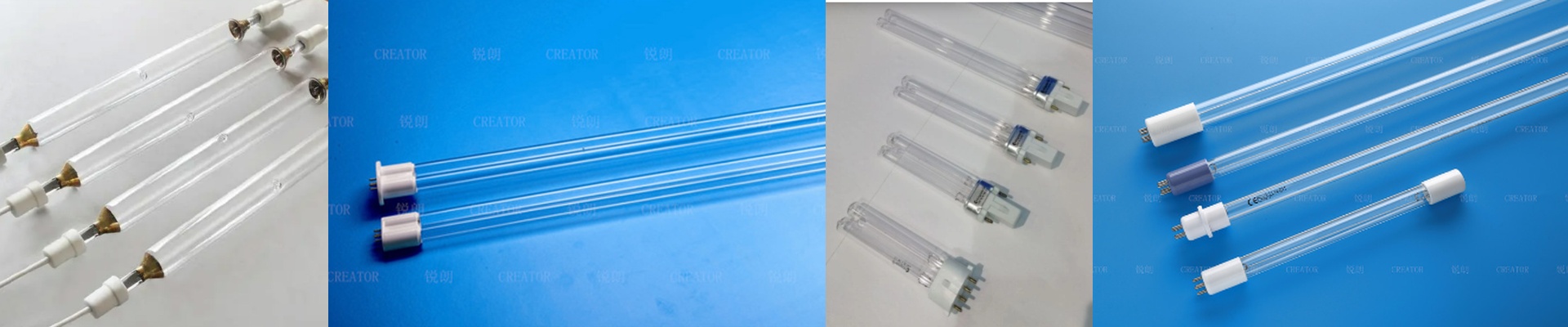
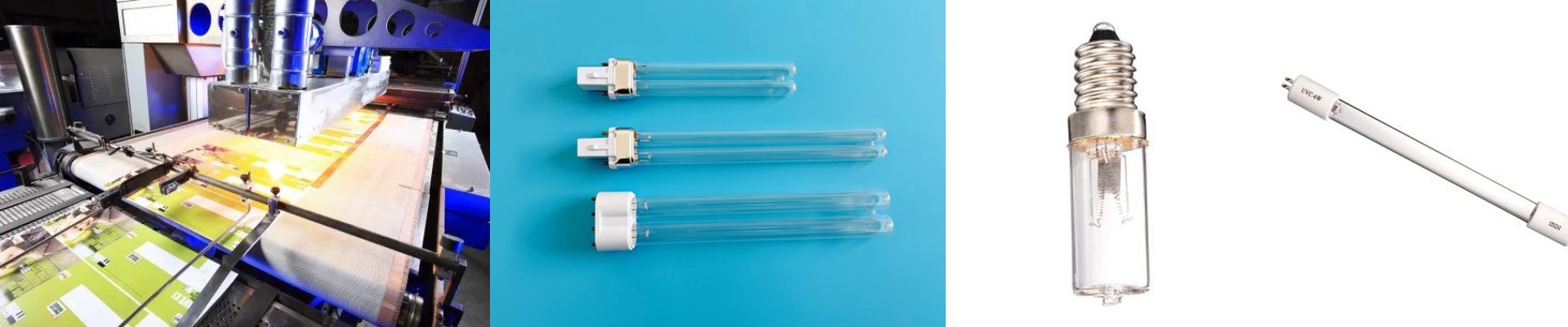
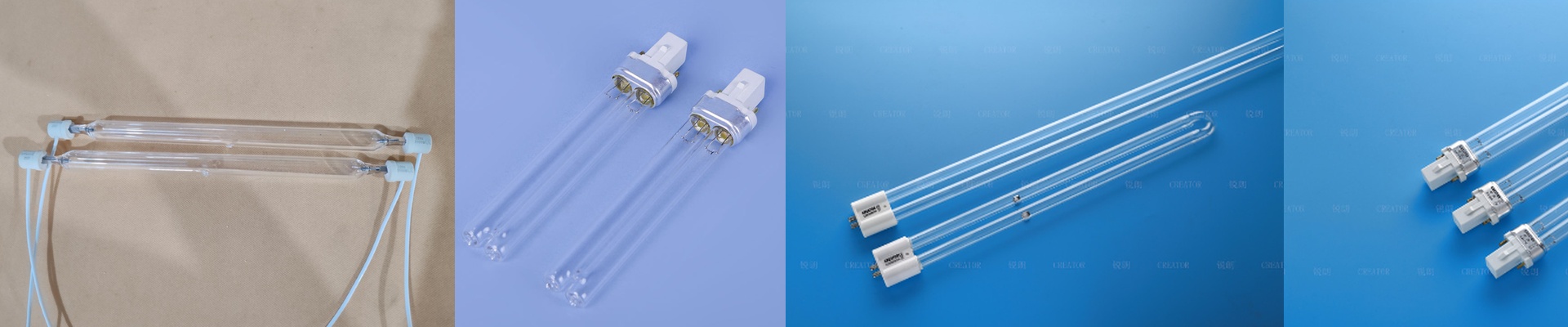
On a high-speed UV offset, flexo, or screen line, you only get a few milliseconds to cure. If the lamp can’t nail stable peak irradiance on every flash, you’ll see uncured tails, adhesion falling off, and scrap piling up fast. Power alone isn’t the bottleneck. It’s how quickly the electrodes heat, then recover between pulses.
What matters under the hood
We built the mercury UV lamp around a low-thermal-inertia cathode, tuned for rapid thermal cycling. The cathode geometry cuts down stored heat, so the arc settles quickly after each ignition. The reflector uses a dichroic coating to push spectral output at 365 nm and keep IR from driving substrate temperature. The payoff is higher peak irradiance (W/cm²) and repeatable dose (mJ/cm²) across the web, even at 1,000+ fpm. Anti-fatigue cathode materials resist sputtering and the usual end-of-life failure modes, so lamp life stays stable and output drift stays low.
Why this holds up in the real world
When you’re running hundreds of thousands of rapid flash cures, the cathode can’t get tired. Our design keeps electrode temperature lower between pulses, so the lamp re-strikes clean and holds consistent spectral output. That means fewer rejects, less downtime for lamp changes, and lower energy per cured part because the reflector concentrates usable UV right where the photoinitiator absorbs. You get a cure you can set and trust.
What to watch for
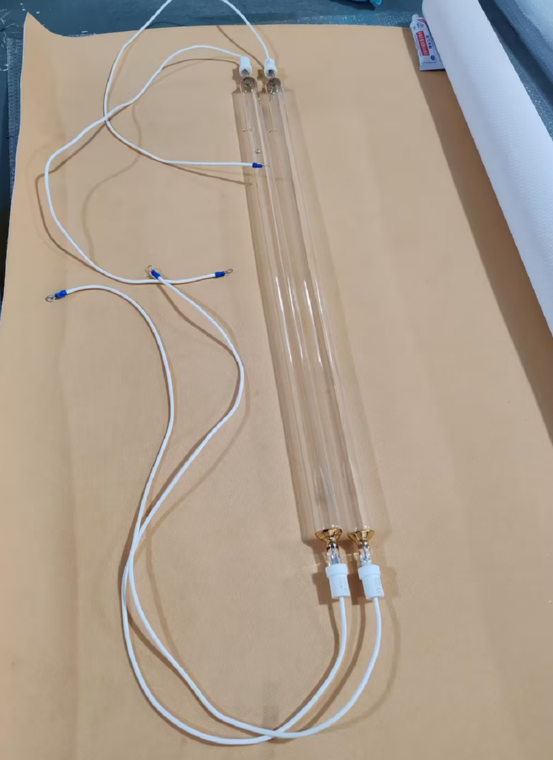
Treat the lamp, reflector, and ballast as a matched set, and confirm reflector focal geometry against the curing zone. These lamps are ozone-free, but you still need proper airflow and clean quartz surfaces. Even a thin film residue on the lamp body scatters UV and ages the assembly faster. Expect shorter arc gaps and tighter mounting tolerances than standard lamps—precision alignment isn’t optional. When the press is running at top rated speed, the curing budget is set in stone. If the lamp misses target irradiance in the first few milliseconds, the ink film leaves the nip under-crosslinked. That’s why cathode thermal behavior matters more than raw wattage.
What matters under the hood
Our mercury UV lamp uses a low-thermal-inertia cathode architecture to minimize stored heat, which gets the arc stable faster and keeps spectral output consistent from cold start to steady state. Paired with a reflector optimized for 365 nm, peak irradiance climbs quickly and repeatably, delivering the required energy density (mJ/cm²) without cooking the substrate. We chose cathode materials for anti-fatigue performance under high-frequency ignition, so output drift stays low and you stretch the interval between lamp replacements.
Why this holds up in the real world
Hundreds of thousands of rapid flash cures punish electrodes. Conventional cathodes run hot between pulses, and that shows up as slow re-strike and spectral instability—in other words, cure variability. Our low-inertia approach keeps electrode temperature down, so every flash hits with repeatable UV intensity. The result is consistent cure across the run, fewer micro-defects, less scrap, and lower energy per part because the reflector focuses usable UV on the ink instead of wasting energy as IR.
What to watch for
Performance comes from the whole UV system. The ballast has to support fast ignition and stable current regulation; a mismatched ballast shortens lamp life and erodes output stability. Reflector alignment needs to be held within tight tolerances—misalignment drops peak irradiance and pushes substrate temperature up. Keep the lamp and reflector clean. Even thin coatings cut UV transmission and speed up aging.