Getting GaI UV Lamps Right
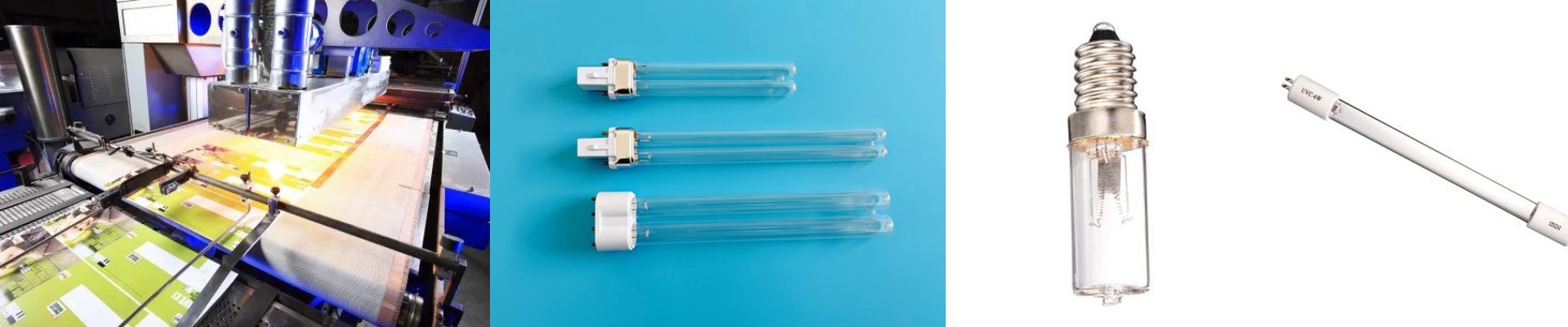
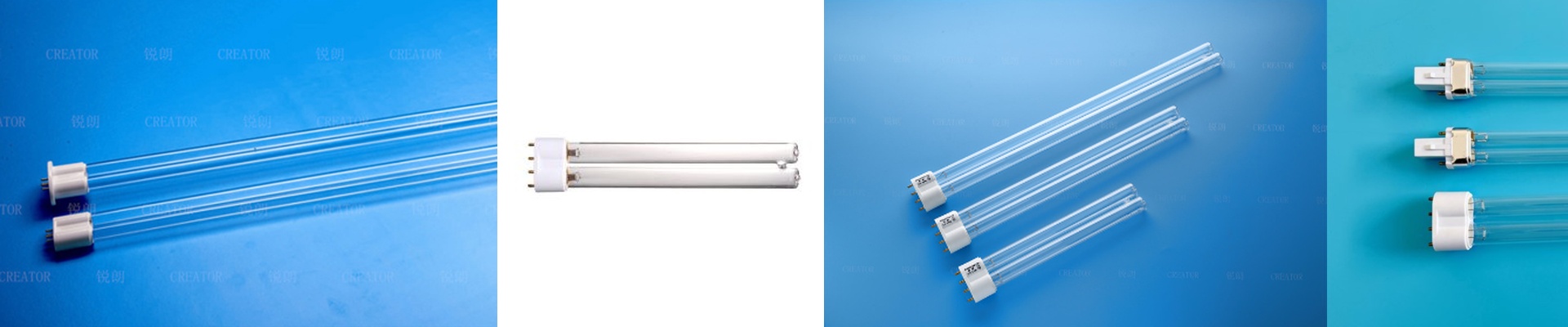
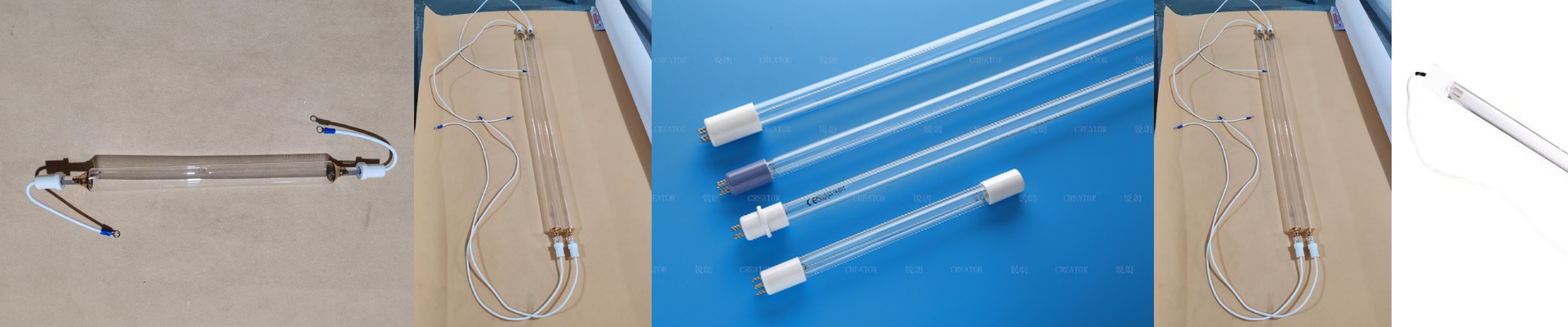
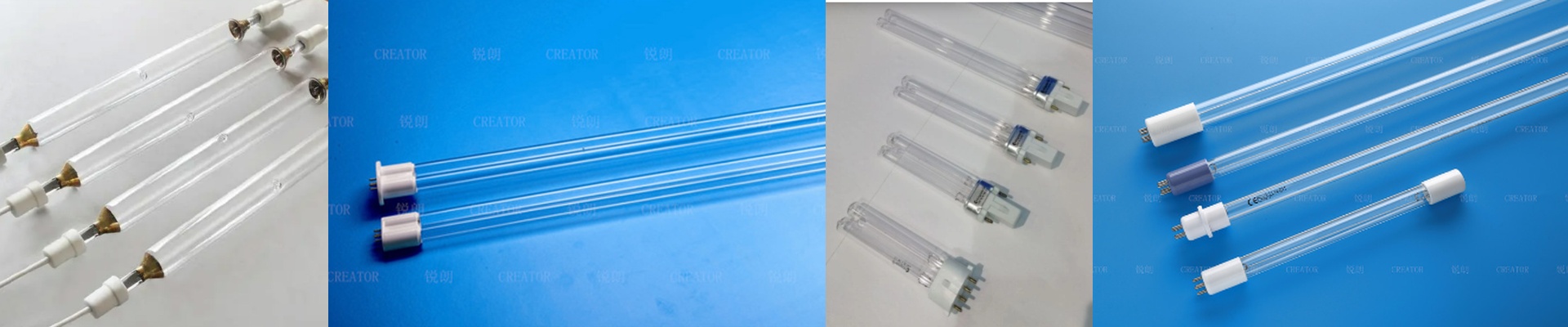
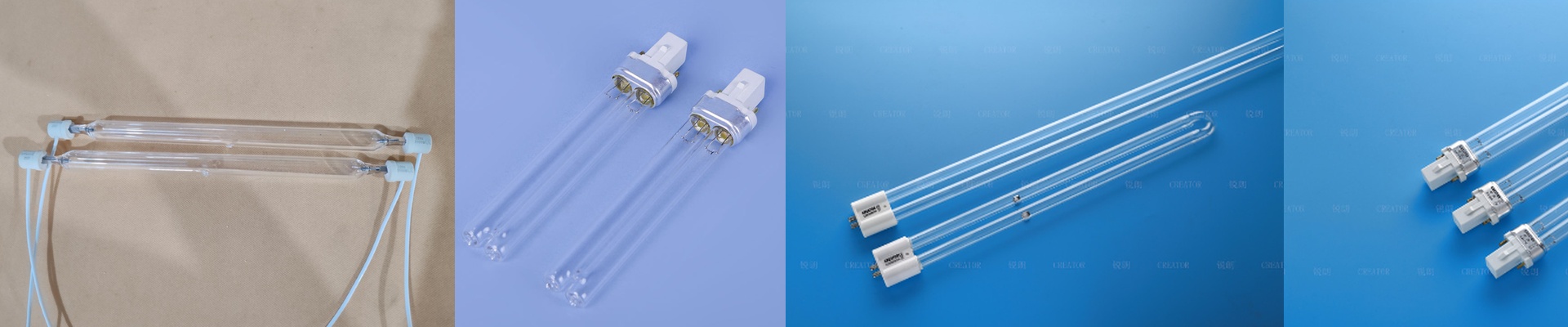
Gallium iodide (GaI) lamps are powerful tools for high-intensity UV radiation, but they can be temperamental. We’ve spent 15 years obsessing over the chemical purity and the way we seal the quartz envelopes. Why? Because we wanted to stop treating these like generic parts and start treating them like the precision instruments they actually are. The secret is in the chemistry. Inside the lamp, there’s a gallium iodide halide mixture. When you flip the switch and energize the arc, those gallium atoms kick out strong UV spectral lines. Here’s the catch: the fill pressure and the ratio of gallium to iodine have to be spot on. If the chemistry is off by even a tiny bit, you get “spectral drift.” That’s a nightmare for anyone who needs their exposures to be consistent. One minute it’s perfect, the next it’s not. Dealing with the heat We use high-purity synthetic quartz for the envelopes because it can handle the shock of a rapid ignition without just snapping. But keep in mind, these lamps pack a lot of power into a small space. They get hot. Fast. You’ll want to make sure your cooling jackets or air-flow systems can actually handle the wattage. If you skimp on the cooling, the quartz softens, the electrode seal gives way, and your lamp is toast. Real-world reliability We design these to be simple drop-in replacements for most international OEM setups. No fuss. We also put a lot of work into the electrode geometry. We want a clean arc start every single time. It stops the flickering and means the tube lasts a lot longer before it burns out. Right now, we’re focusing on cutting down the “dark time” between cycles. We get it—when you’re running a production line, every second of downtime is just money disappearing. Plus, we’re extra careful with the vacuum seals. Leaking halide gas is the biggest reason cheap UV lamps fail, so we make sure ours are airtight. It just works.