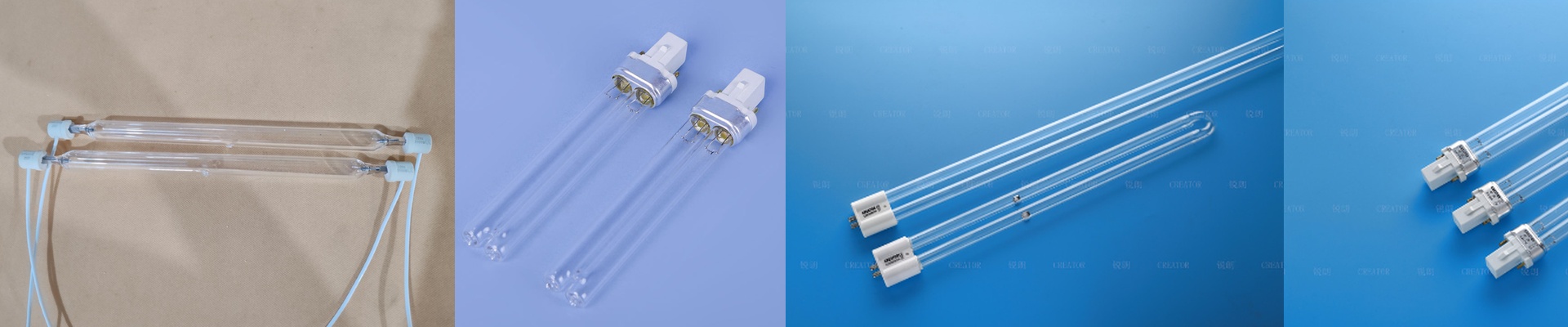
Gallium Iodide UV Lamps: Why Cooling Is the Secret to Rock-Solid Power and Long Life
Let’s cut to the chase: a Gallium iodide UV lamp isn’t just a light. It’s a high-energy heat machine. And here’s the thing—how you cool it is what decides whether it stays steady and lasts. Why? Physics. These lamps run hot. If the heat isn’t managed, the arc tube drifts off its sweet spot. Output starts to wobble, and the electrodes age fast. So cooling isn’t an afterthought. It’s the heartbeat.
Getting the Power Right: Voltage, Wattage, and the Shape of Things
When we spec these lamps for industrial duty, we’re chasing one thing: consistent UV output. That means matching wattage and voltage to the lamp’s geometry so the arc settles quickly—and stays settled. For higher-power tubes, 400V is a common choice. It drops the current for the same power, which cuts losses in the wiring and the lamp base. Less current means less self-heating at the terminals, and a calmer, steadier arc. Then there’s size. A tube around 300mm long gives you a compact footprint that fits tight reflector setups, while still keeping electrode spacing right. Go shorter, and heat density climbs. Which means your cooling system has to work even harder.
Materials and Build: The Details That Keep It Honest
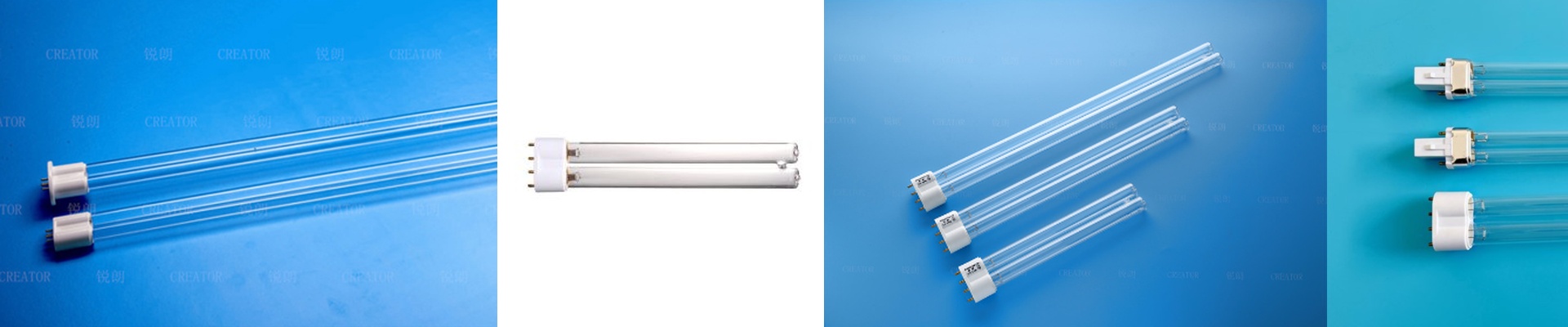
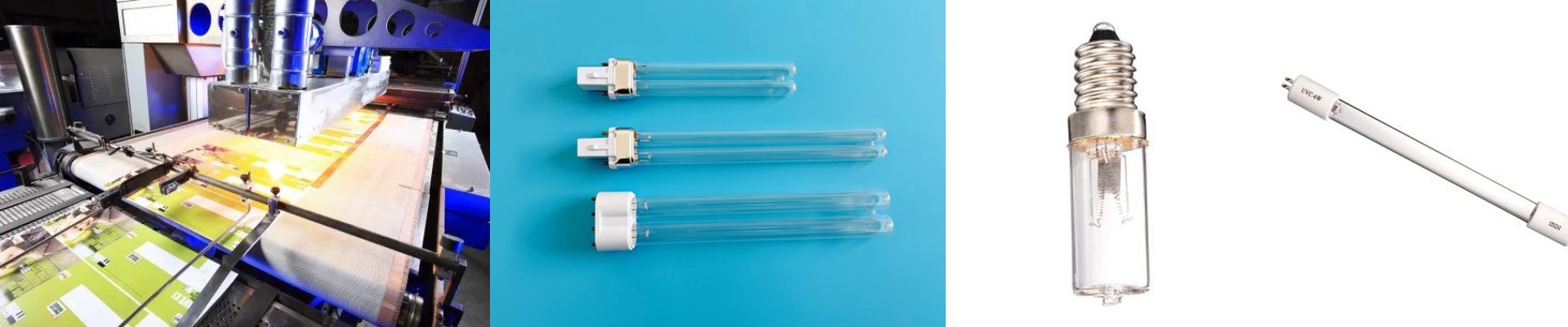
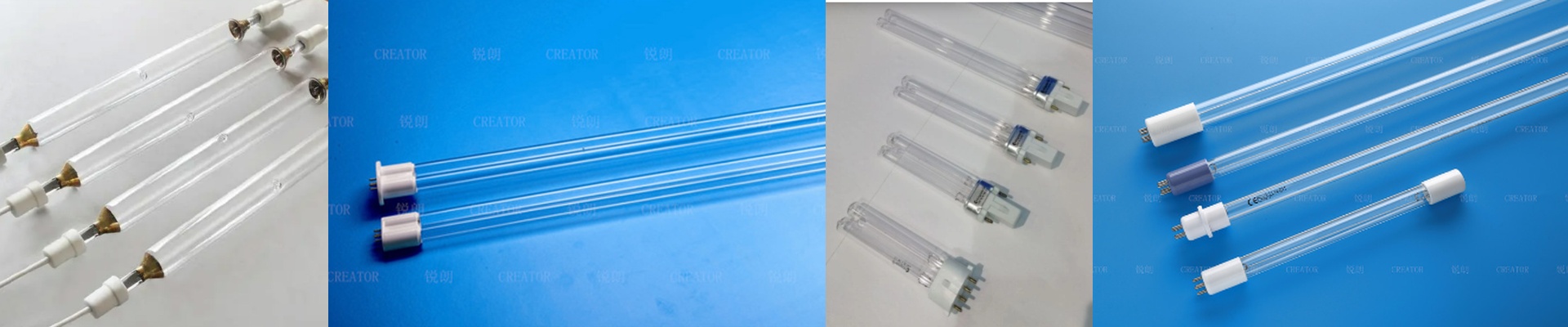
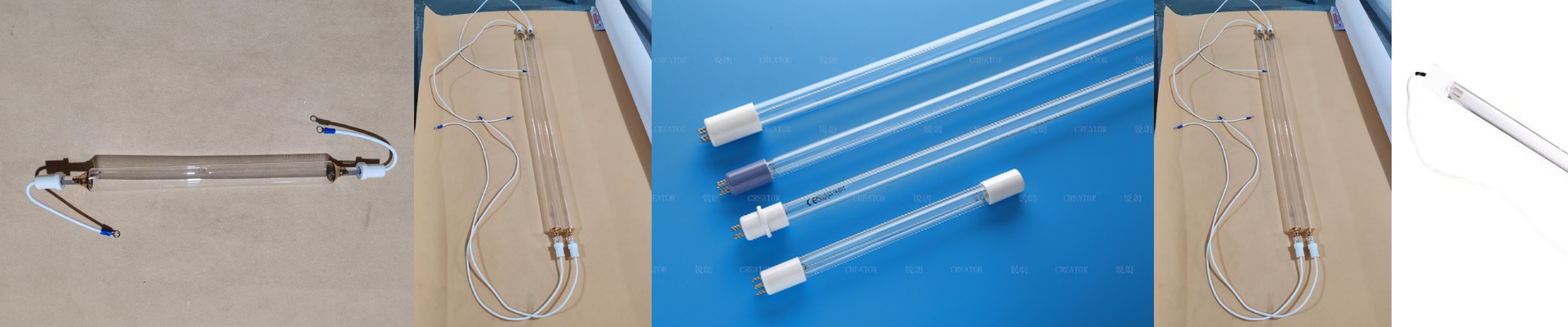
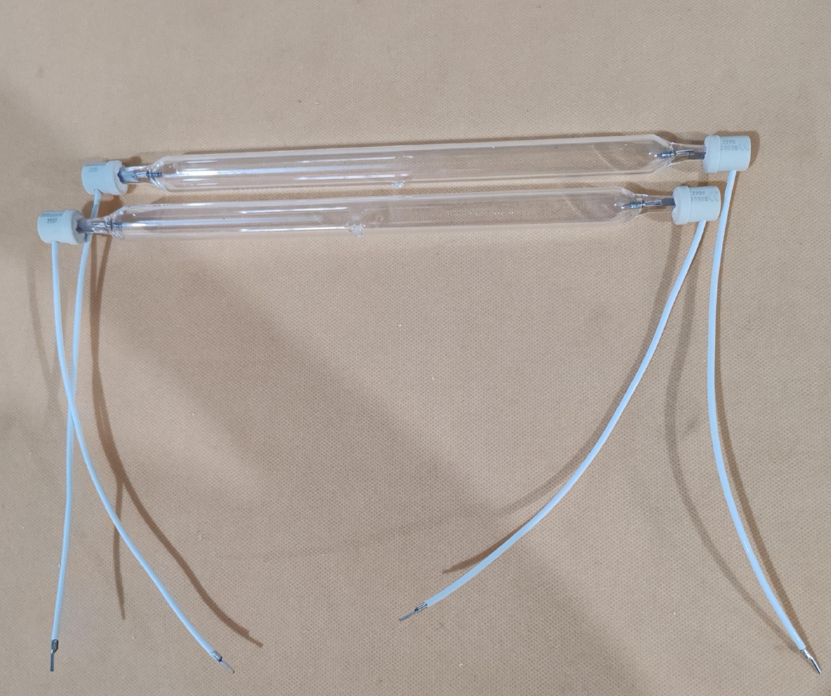
The quartz envelope is built for heat and for transmitting UV. We dope with gallium iodide to pull output into the UV band you need—whether it’s curing or germicidal work. Inside, a stable coating helps shape the spectrum and shields the envelope from ion bombardment. And the connectors matter more than people think. R7s and SK15 bases are chosen for solid contact and grip that holds up under vibration. A strong mechanical seal and clean electrical contact prevent hot spots and those annoying little arcs that kill lamps early.
In the Field: Performance That Shows Up When the Pressure Is On
Out on the plant floor—PET blowing lines, curing stations, sterilization rigs—these lamps get hammered. A well-designed cooling path keeps the lamp in its operating temperature window. Power stays steady. Output doesn’t sag. The result you feel? Fewer thermal swings. Less drift. Longer stretches between replacements. But there’s a trade-off. High power density means the cooling system has to be spec’d properly. If the airflow or coolant flow is too small, you’ll see shorter life and shaky power—even if the lamp itself is top quality. So if you want the lamp to do its job quietly, predictably, day after day, treat the cooling as part of the lamp. Because with these, heat management isn’t optional. It’s the difference between “set it and forget it” and constant headaches.