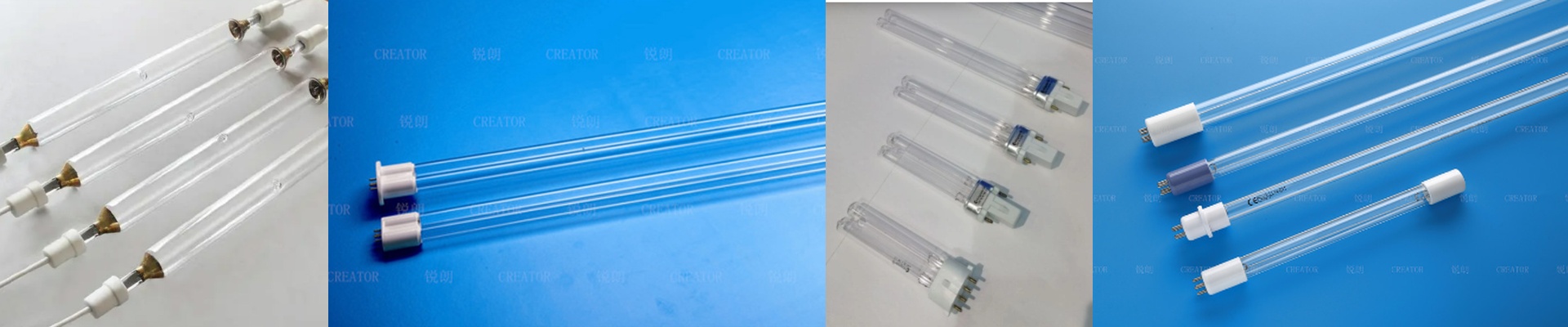
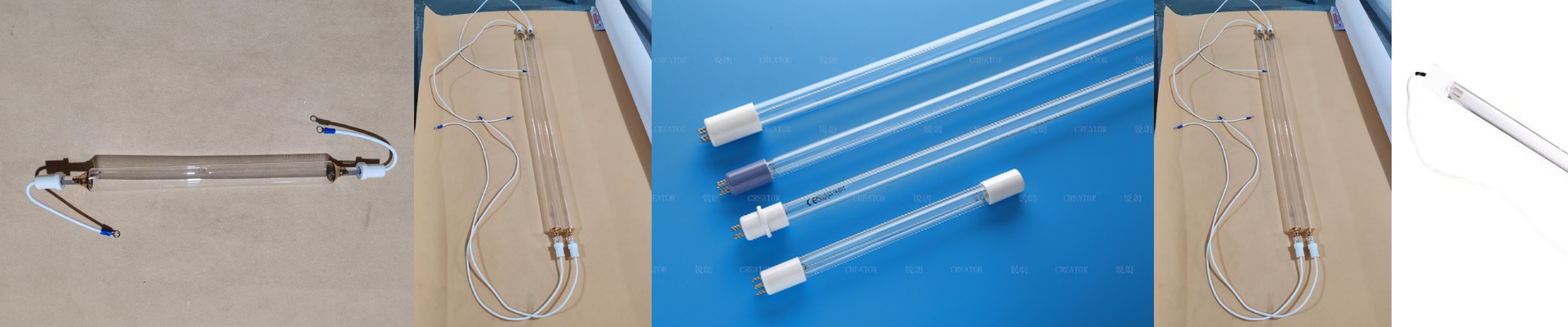
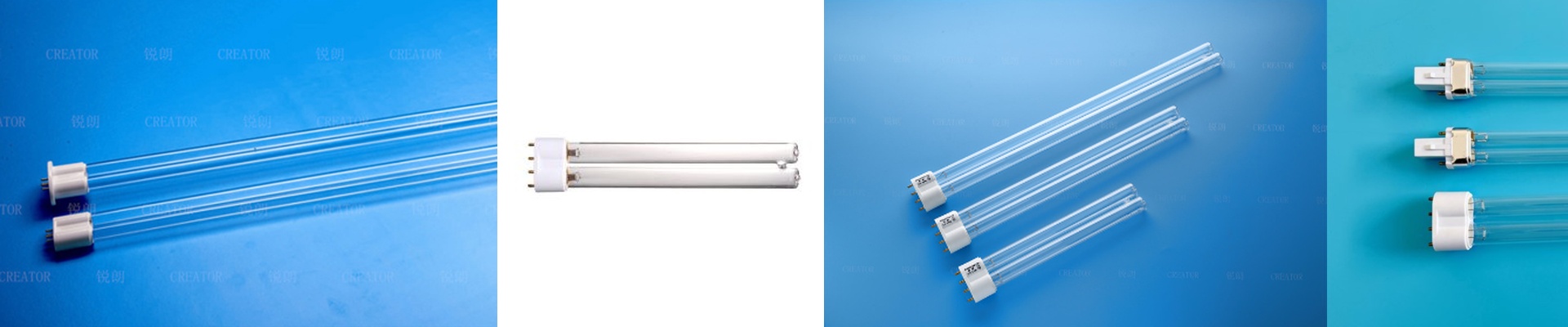
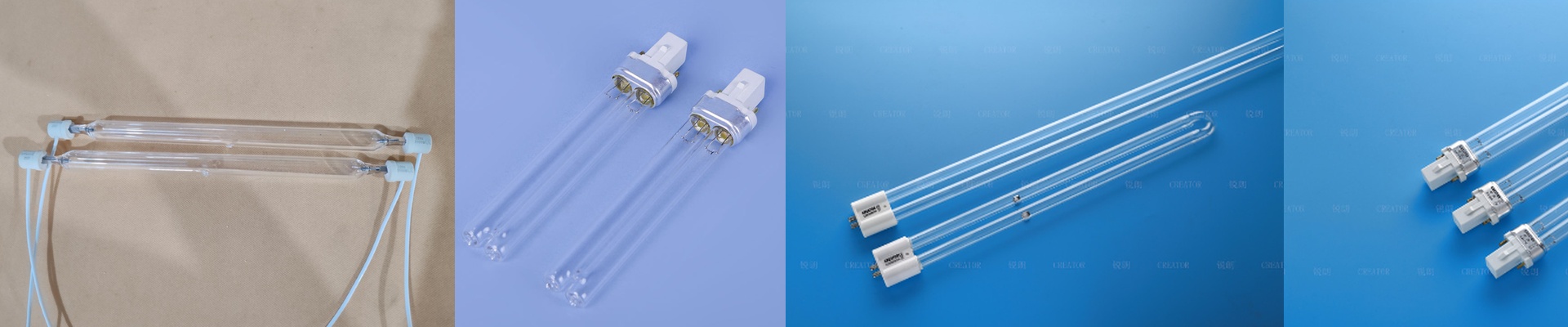
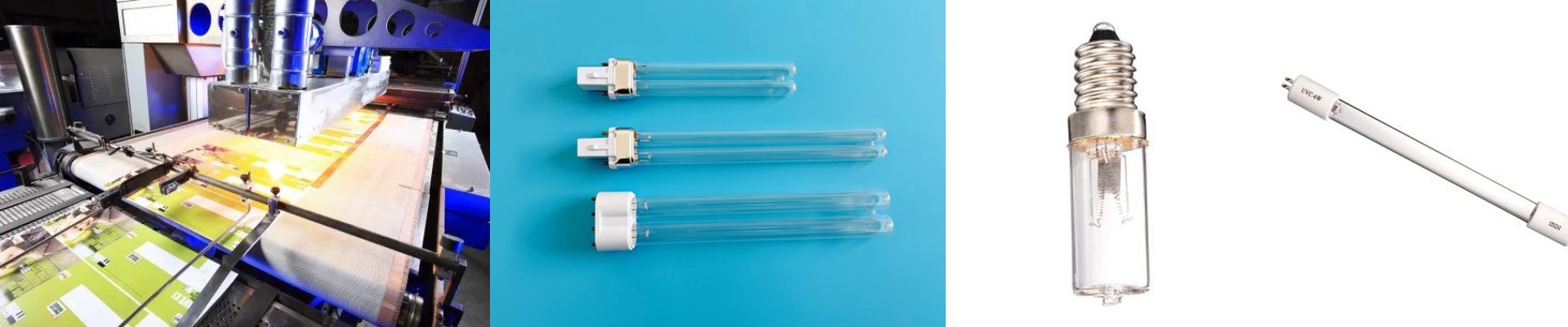
In high-end streetwear, color and durability are the brand’s signature. On the press, you can’t afford curing that drifts. Standard mercury vapor lamps tend to hammer whites while leaving dense color layers under-cured. You end up chasing Pantone matches and washing out on the line. The UV gallium lamp for screen printing was built to fix that. Its spectral output is tuned to the photoinitiators in today’s UV inks. What matters under the hood We run a gallium-doped arc tube that shifts energy toward the 385–405 nm band. That cuts down the short-wave emission that yellows whites and drives substrate heat. Peak irradiance at the substrate is set to 1.8–2.2 W/cm², giving 400–600 mJ/cm² in one pass on typical 20–60 μm ink films. The reflector uses a dichroic coating to reject IR, so thin synthetics stay below 55 °C. Lamp life is rated to 1,500 hours, and output holds within ±8% across the curve. Why it fits the shop Top streetwear workshops live on strict color-matching and fast changeovers. With this lamp, cure stays consistent across the pass. Saturated CMYK and spot colors cure evenly, without blooming or dot gain. The narrowed spectrum also helps pigment stability, so brand colors look right under D65 and survive laundering. Power draw drops 12–18% compared with broadband mercury, and cycle times shorten because curing is done right after impression, not after stacking. The practical details Matching the lamp to the printer isn’t optional. Confirm reflector geometry, arc length, and shutter integration for your machine. Mismatched reflectors waste energy and give you uneven cure at the edges. Plan for a 15-minute warm-up to hit rated output. And check the ink—some low-pigment clears cure faster at 365 nm than at 395 nm. For ozone control, run an ozone-free quartz sleeve and keep 200–250 m³/h of airflow across the lamp.