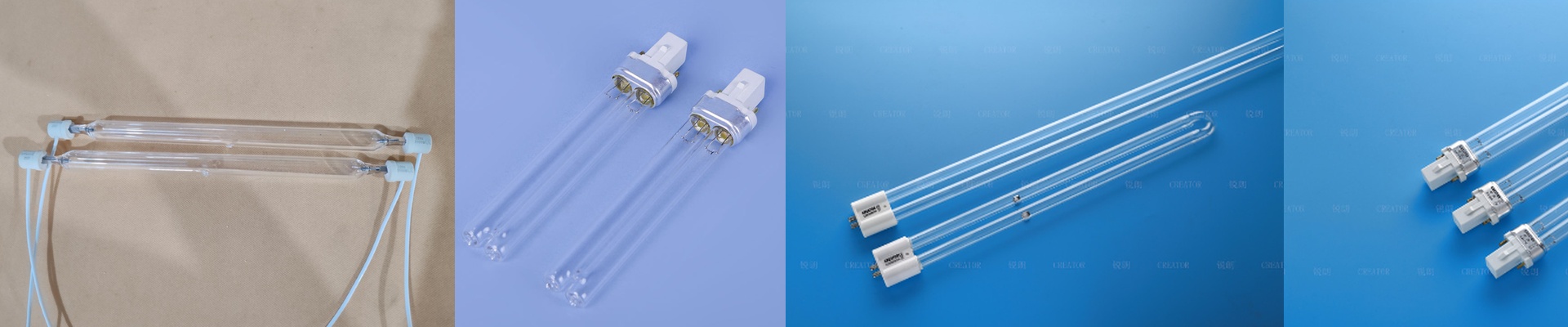
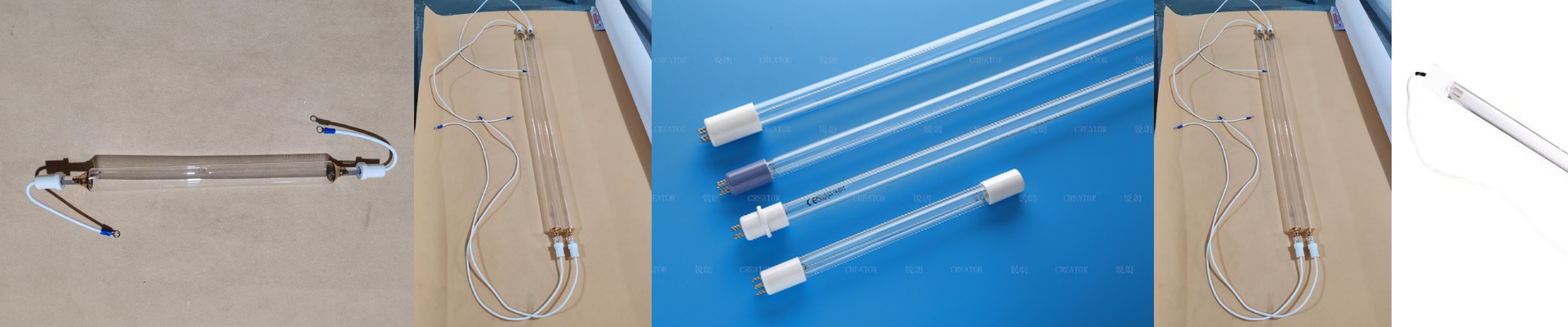
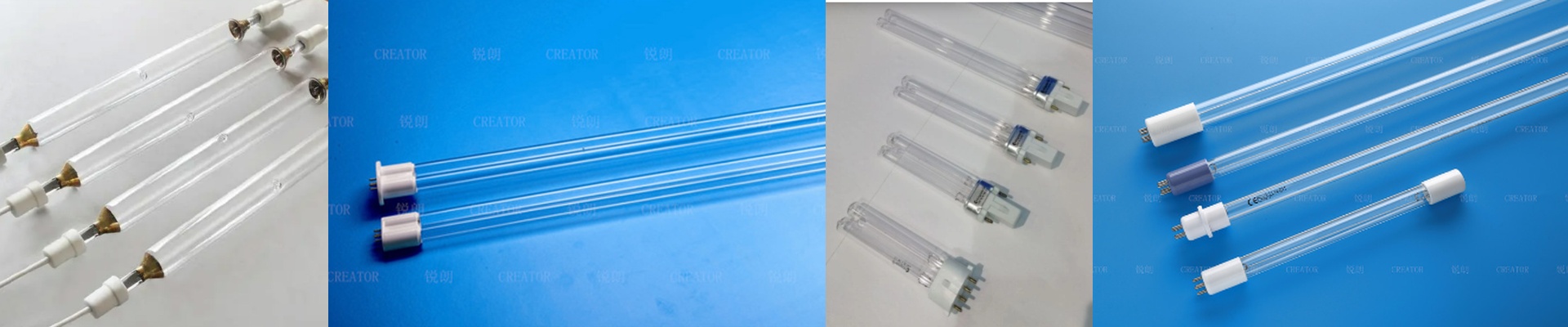
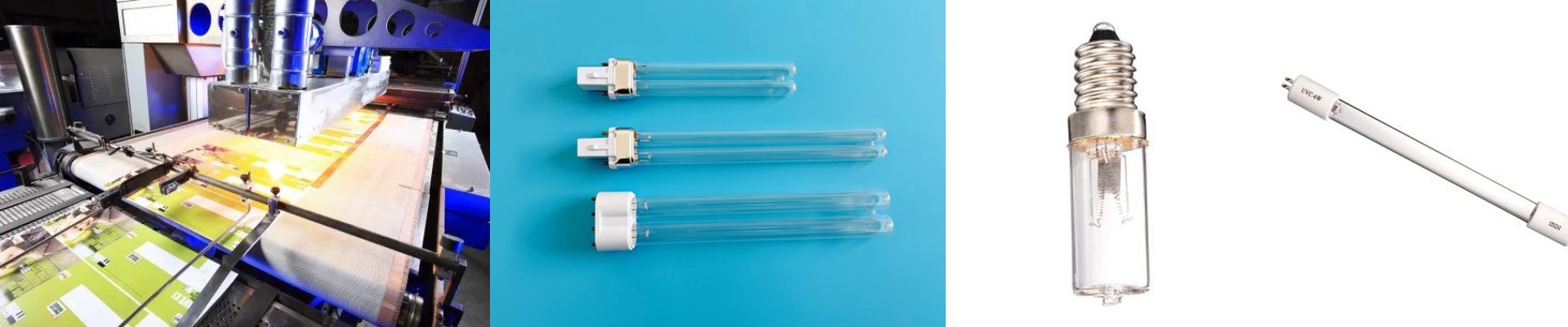
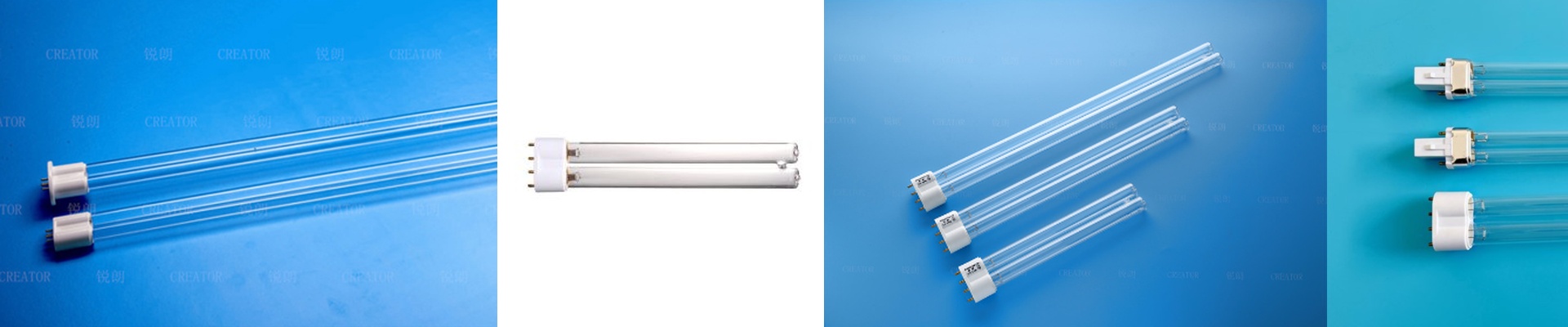
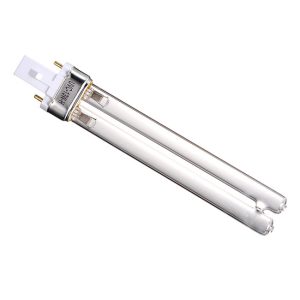
On the thick-paste line, the bottleneck isn’t usually the ink—it’s curing depth. You’re stacking microns on microns, and if the UV energy can’t get through to the bottom, you end up with incomplete cross-linking: surface skinning, solvents trapped in the film, and adhesion that falls apart in post-processing. That’s where a Pondmaster UV lamp bulb earns its keep—by giving you the penetration to cure from the substrate interface straight through to the top surface. What matters, in practice, is spectral output and how the energy is delivered. Pondmaster bulbs are built around high-pressure mercury vapor discharge, tuned to hold stable output in the 365 nm band—exactly where photoinitiators in thick-paste formulations absorb efficiently—and balanced UVA to drive through-cure. Peak irradiance stays high across the curing window, so the bottom layer gets enough dose to polymerize, not just get warm. We keep light-output stability tight and attenuation low over time, because on the floor the lamp isn’t a variable. It’s the reference. It comes down to penetration plus repeatability. Thick-paste jobs need the same cure energy, run after run. With stable spectral output and controlled lamp decay, you set a cure profile once and it holds—even when you push line speed. That means fewer rejects, less rework, and throughput you can plan around. Energy use is managed by efficient reflector geometry and targeted irradiance, so you don’t over-cure the surface while the stack underneath stays underdone. A few field notes: confirm fixture compatibility and match the arc length to your curing module. When you change lamps, check reflector condition and make sure the dichroic coating is intact. For thick-paste work, always validate cure depth with a radiometer—measure dose at the bottom of the deposit, not just at the surface. And treat lamp alignment and cooling as part of the system. Misalignment and overheating will erode spectral consistency faster than the lamp alone ever will.