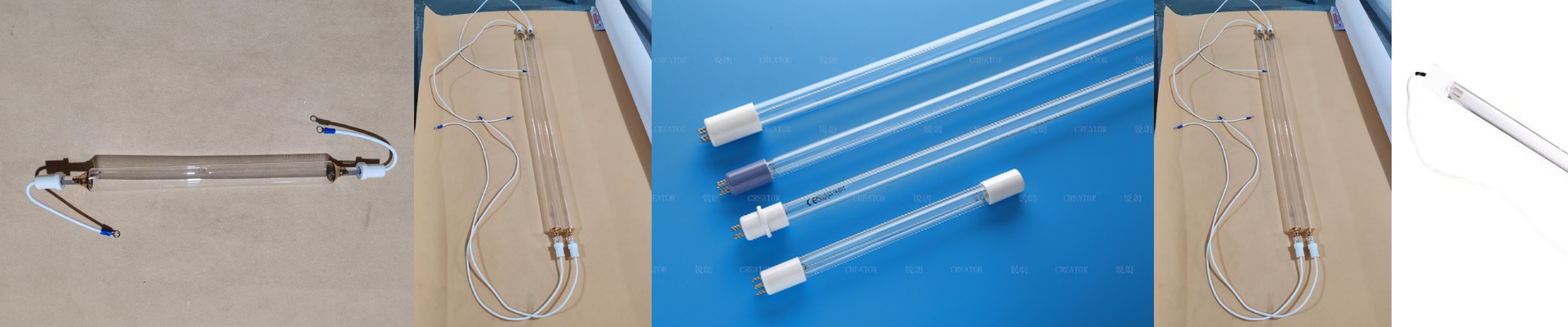
Dealing with Electrical Noise in Your UV-C Setup
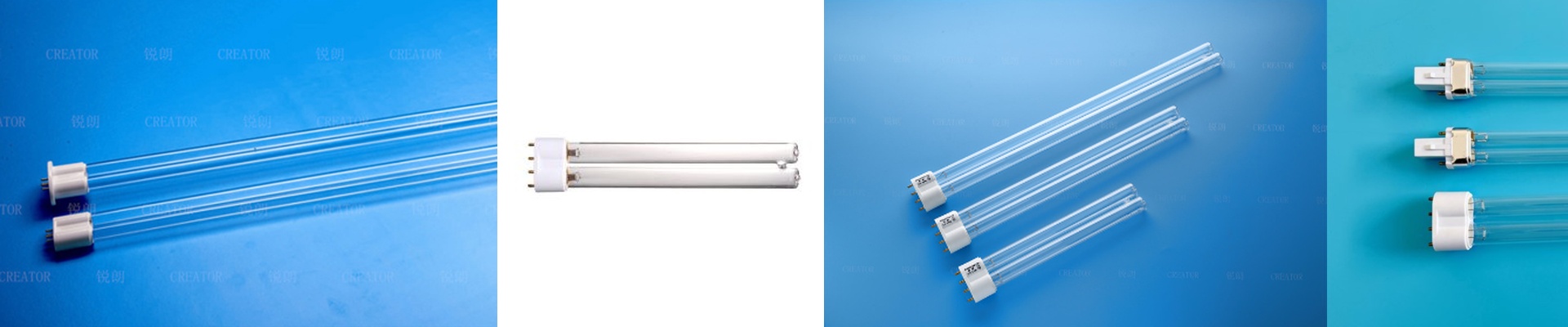
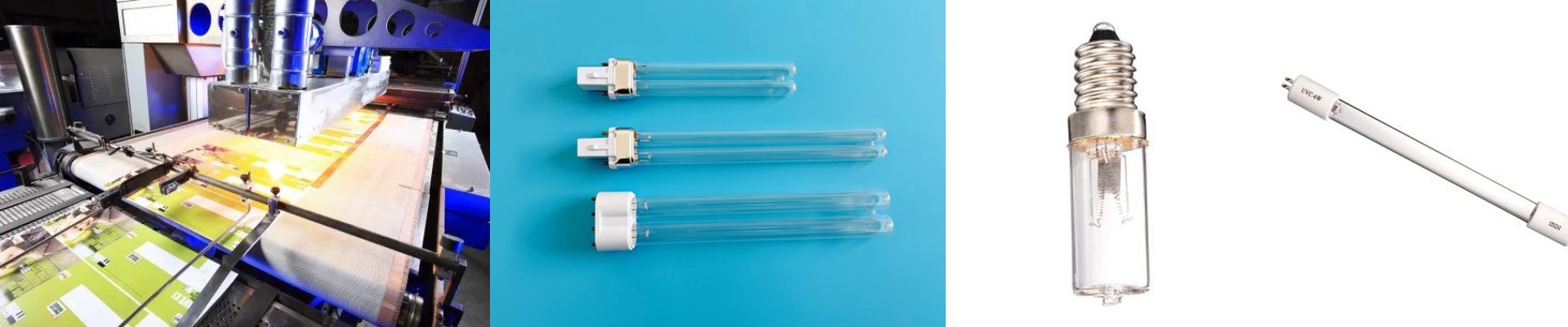
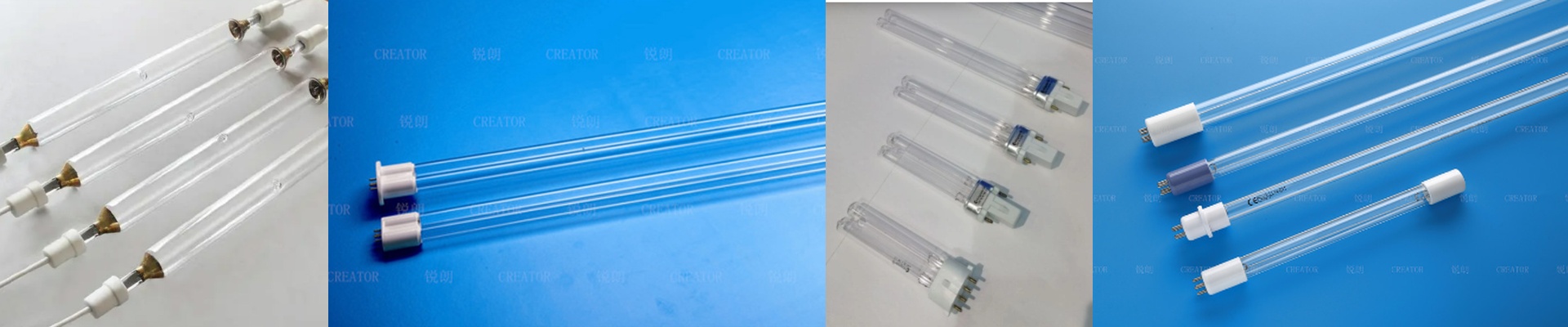
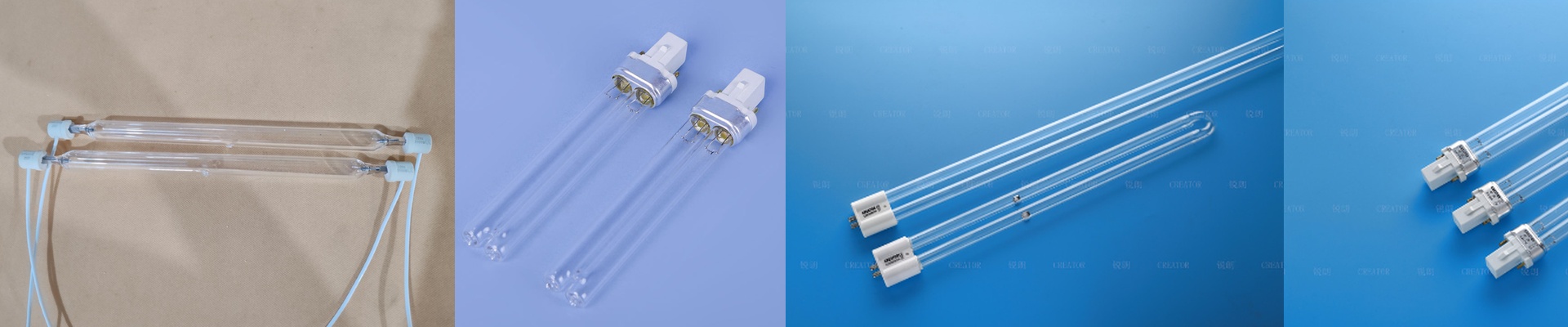
If you’ve spent any time on an industrial printing floor, you know it’s noisy. I’m not just talking about the sound. I mean the electrical noise. When you’ve got several massive presses running at once, those motors and drives throw off a ton of electromagnetic interference (EMI). For a standard germicidal UV bulb, that’s a nightmare. It leads to flickering, ballasts that burn out way too early, and UV-C output that just isn’t consistent. Why most bulbs just can’t hack it Here’s the thing: most UV lamps aren’t built for this. They can’t handle the voltage spikes that happen when heavy machinery kicks in, so the internal arc just gives up. We did things differently. We used specialized cathode materials and tweaked the gas fills to keep that arc stable. So, when the press next to your UV line ramps up to full speed, your lamps keep humming along. No flickering. No drops in power. Just steady light. The trade-off (because there’s always one) Now, this kind of stability doesn’t happen by magic. To stop the interference, we had to use heavier electrodes and reinforced glass seals. Because of that extra bulk, these bulbs take a bit longer to warm up than those cheap, consumer-grade tubes you see everywhere. It’s a small price to pay, though. Once they hit their operating temperature, the output stays flat and reliable. Getting them onto your floor If you’re buying in bulk for a facility, don’t get hung up on just the wattage. Take a look at your ballasts. Our bulbs are designed to slide right into most industrial arrays without a fuss. But if your wiring is ancient, you might still feel some of that electrical noise. Double-check that your shielding is actually grounded. We’ve spec’d these to hold a steady 253.7nm wavelength, even in those high-interference zones. It stops that annoying “ghosting” effect where sterilization dips because the power wavered. You just get a consistent kill rate across the entire belt. Simple as that.