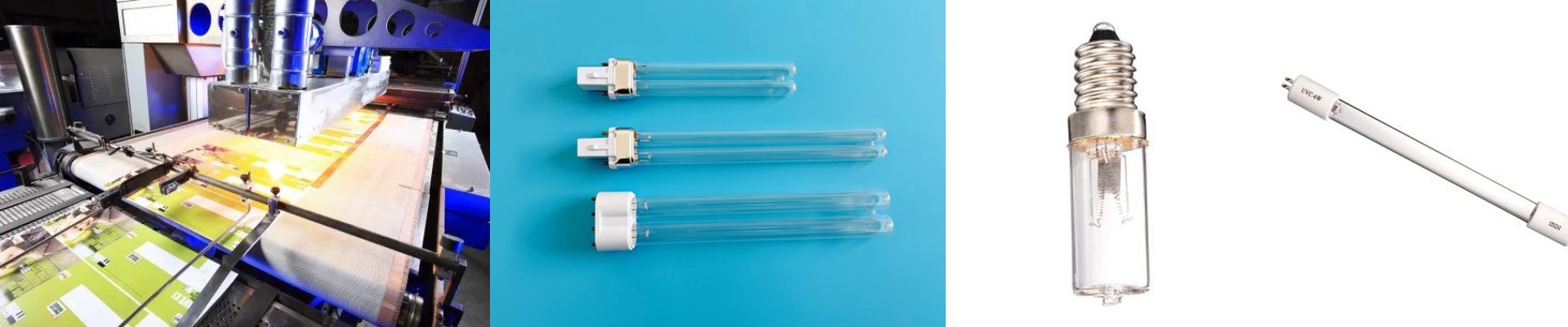
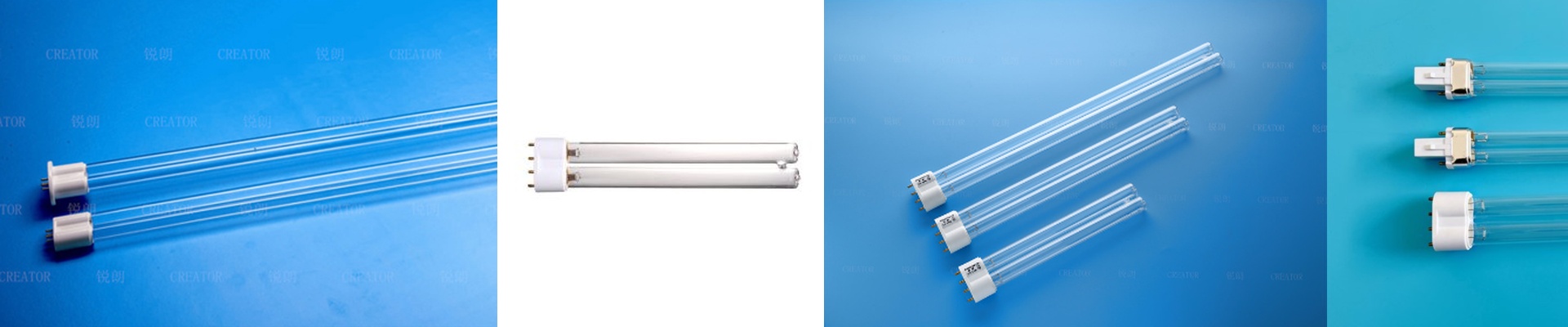
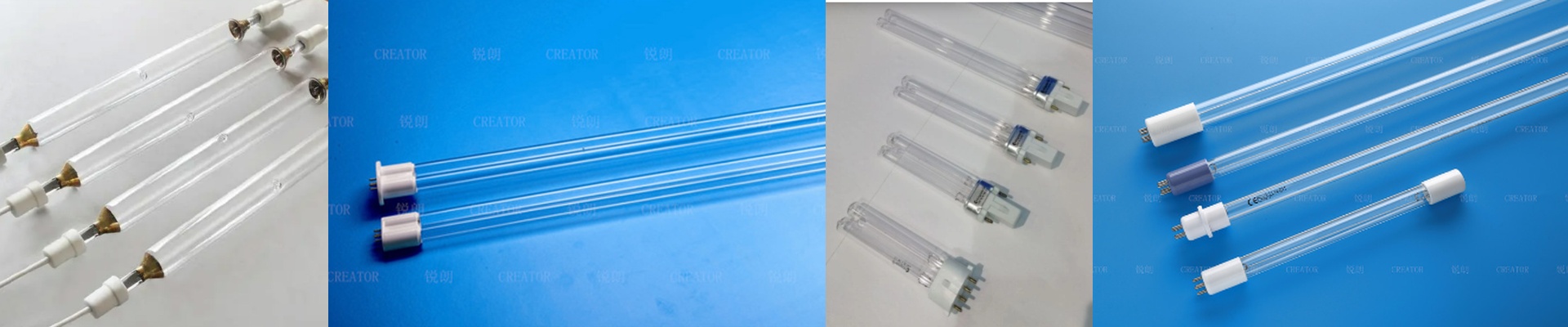
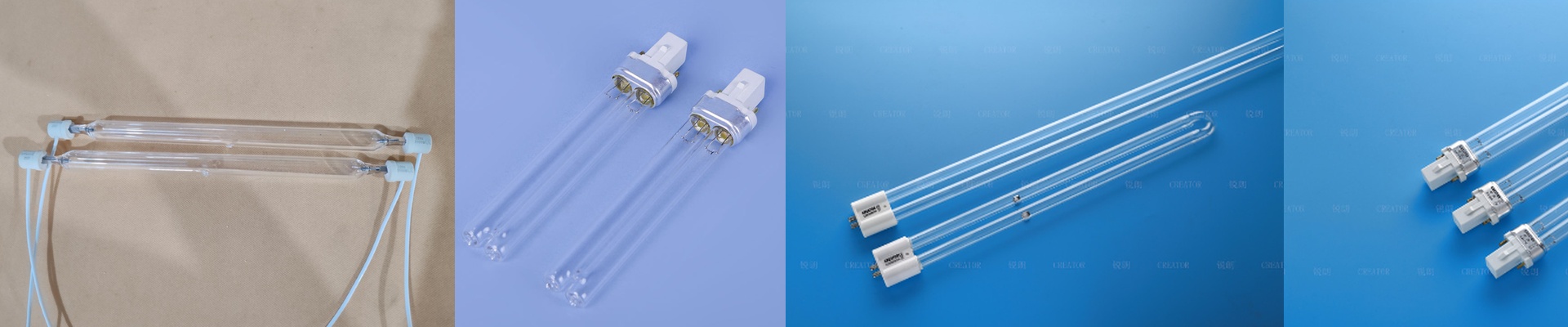
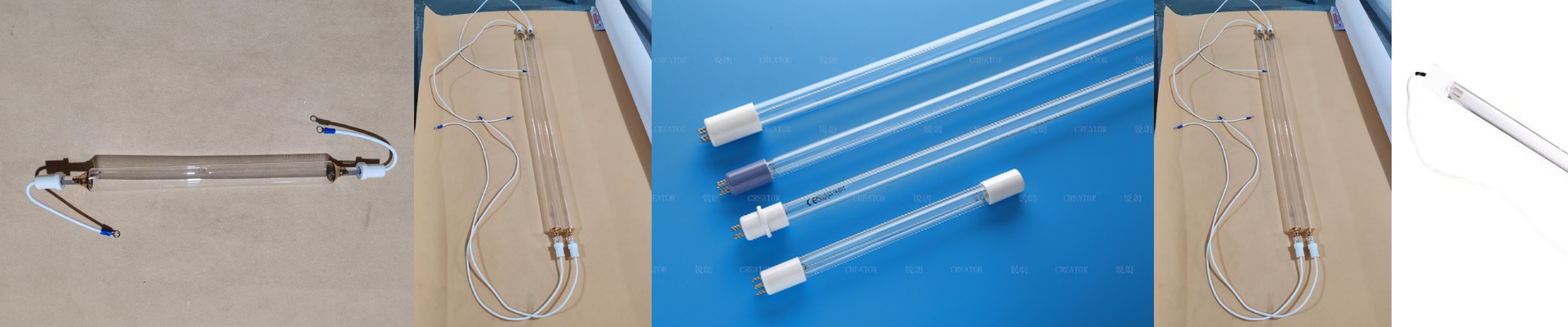
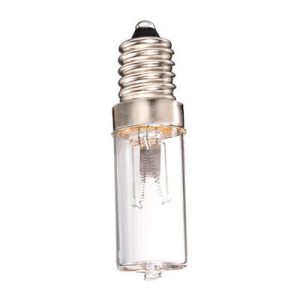
Step into any production floor where air and surface cleanliness directly affect yield, and you can feel the tension right away—throughput on one side, safety on the other. In facilities where operators share the same air as the process, germicidal UVC is the last line of defense against microbial load. But not all UVC sources are suitable for occupied spaces. The wrong lamp chemistry can introduce a secondary hazard—ozone—turning a control measure into a respiratory exposure. We build our UVC germicidal lamps with ozone-free quartz. Not just to clear the regulatory hurdles, but so people can keep breathing clean air while disinfection runs in real time.
What actually matters: spectral control, materials, and stable output
UVC disinfection works because microorganisms absorb radiation around 254 nm, damaging nucleic acids and stopping replication. The lamp’s job is to deliver stable 254 nm output and predictable irradiance across the target area. The envelope material is where lamps differ. Standard quartz transmits UVC efficiently, but it also lets through wavelengths below 200 nm. Those short wavelengths react with atmospheric oxygen and create ozone. In occupied areas, that can drive ozone concentrations up—irritation, and long-term respiratory concerns. We use ozone-free quartz with a controlled cutoff that blocks the most ozone-producing wavelengths while keeping 254 nm output high. In practice, that means a lamp that disinfects without turning the air into a chemistry problem. Performance-wise, germicidal effectiveness isn’t just about wattage. It’s about irradiance distribution and dose consistency across the surface being treated. Our lamps are built to hold output over life, with a controlled degradation curve. In real mounting setups, that translates to repeatable microbial reduction—no hot spots, no shadowed zones.
Why this works in occupied industrial settings
In occupied industrial spaces—packaging lines, assembly areas, cleanrooms, inspection stations—air and surface disinfection has to run continuously or during short breaks. Operators can’t step out every time a UVC cycle starts. Ozone-free UVC removes a big constraint. You can run disinfection during shifts without adding a respiratory hazard. That directly improves scheduling flexibility and operator compliance. The lamp stays on, microbial load drops, and work keeps moving. Speed is the other gain. UVC disinfection is immediate—no chemical dwell time, no heating, no drying delays. When a line changeover happens, you run a short surface irradiation cycle and get back to production. In high-throughput environments where contamination can trigger rejects, that keeps the process moving without adding hours. We also design for integration. Lamp geometry and mounting options line up with the housings and fixtures used in industrial disinfection systems. That means you can swap lamps without redesigning the enclosure, and standardize spares across multiple lines.
Installation realities and practical operating limits
Ozone-free quartz is safer for occupied spaces, but it doesn’t replace disciplined engineering. UVC radiation is hazardous to skin and eyes. Lamps must be housed in interlocked enclosures with proper shielding and warnings. No direct UVC exposure—ever. Even indirect reflections can be harmful if the layout isn’t built to contain the beam. Temperature matters. UVC output and lamp life are sensitive to operating temperature. Make sure the fixture provides the thermal management specified—ventilation, airflow, or controlled cooling as required. Push a lamp outside its rated temperature window and the output curve drops, life shortens. Orientation can change output uniformity and service life. Stick to the manufacturer’s recommended mounting angle. If the system was designed for a specific orientation, changing it shifts irradiance distribution and dose consistency across the target. And keep a maintenance plan. Wipe dust from housings and lamp surfaces on schedule. A film of dust can meaningfully reduce delivered irradiance, and the lamp can still appear lit while performance drifts. Pair periodic cleaning with a documented replacement interval based on hours and observed output stability. If you’re specifying UVC for occupied areas, the decision isn’t just dose and kill rates. It’s about delivering that dose without creating a secondary exposure. Ozone-free quartz gives you both—effective 254 nm germicidal output and air safety that matches how workplaces actually run.