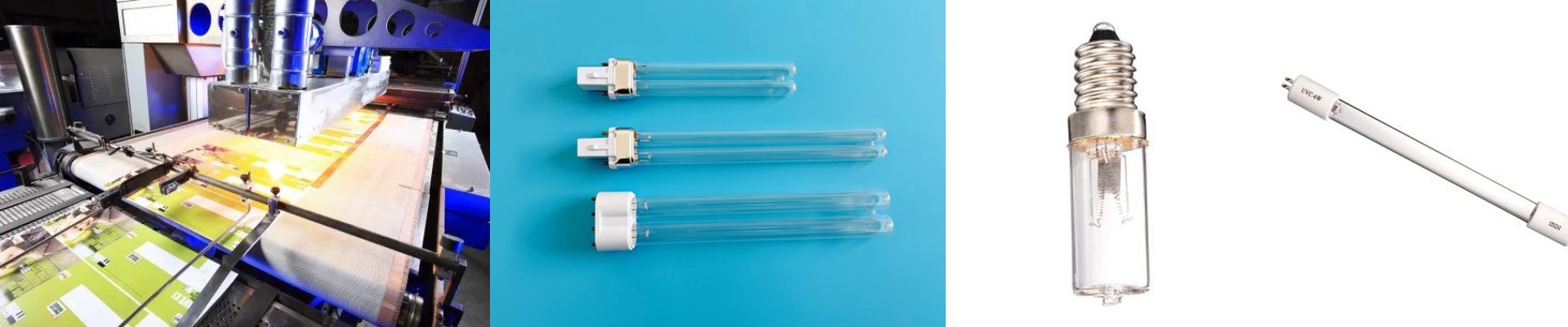
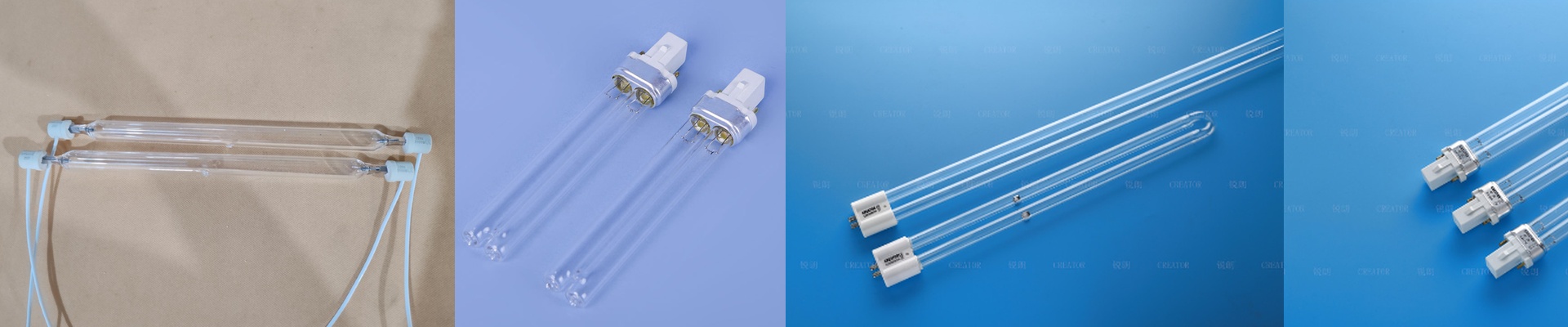
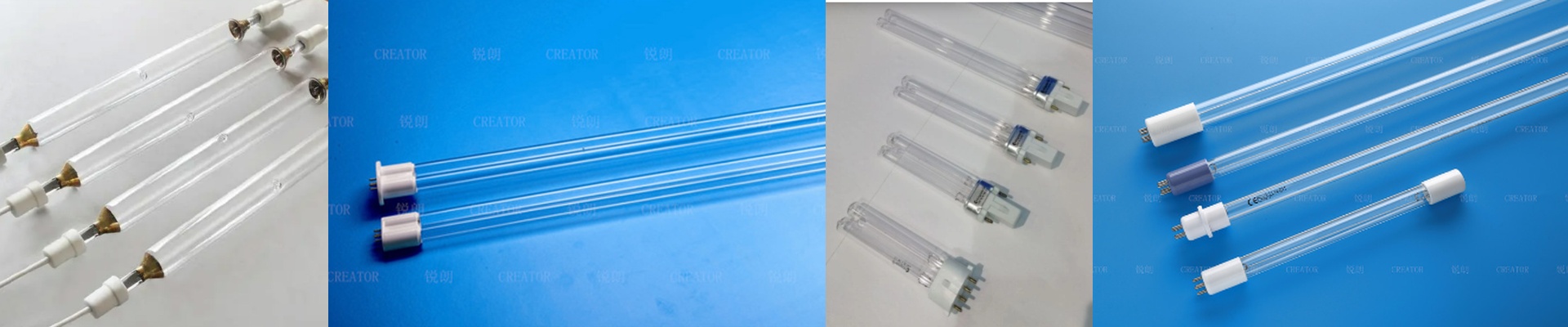
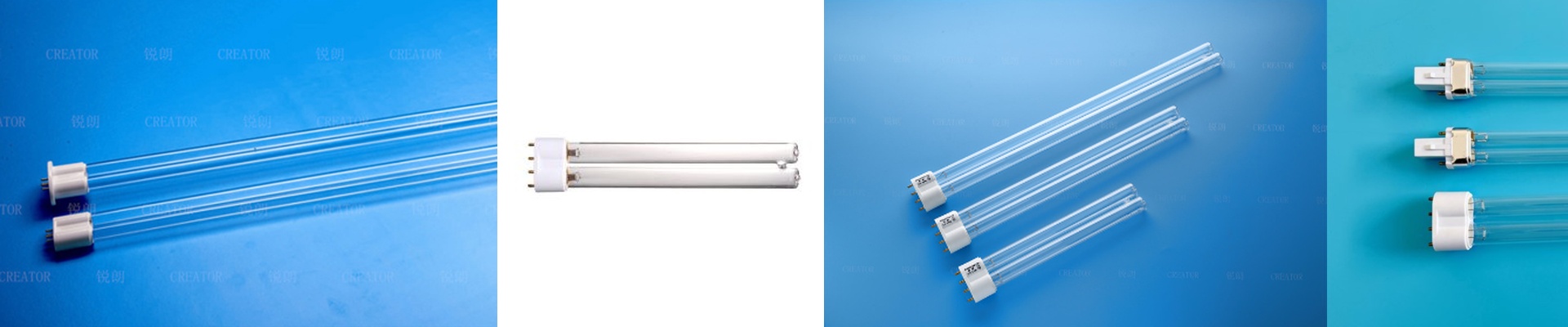
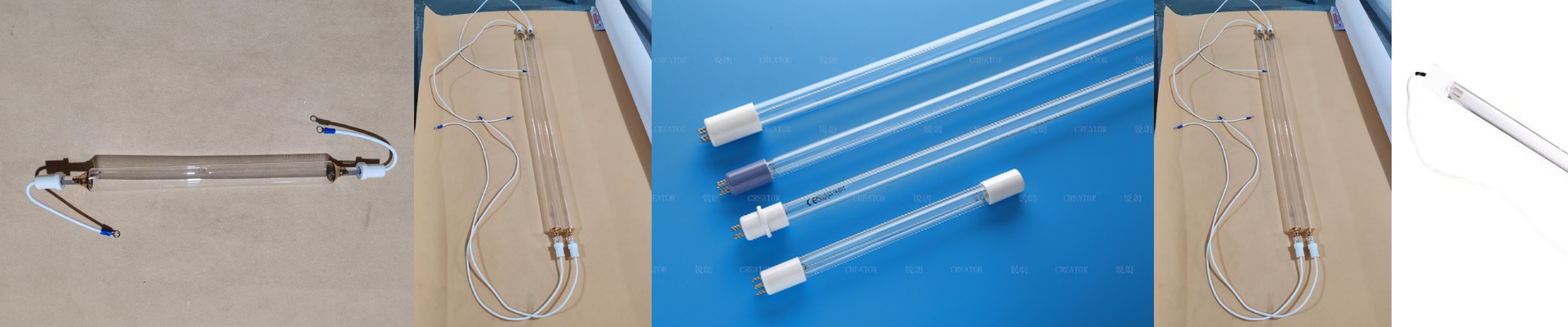
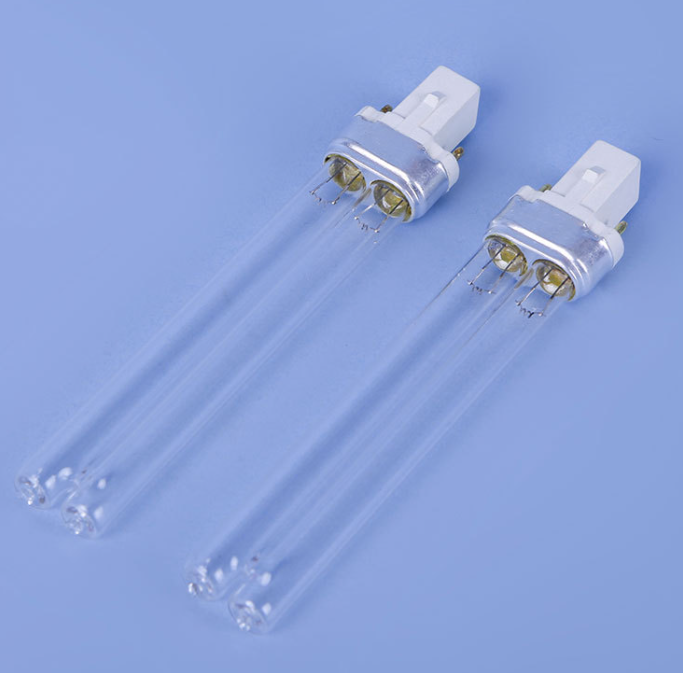
On the press floor, mismatched lamp output and the machine’s power curve don’t just burn electricity. You see it as slow cure, adhesion that falls apart, and web heat that keeps the reject pile growing. Off-the-shelf sockets force a bad trade: run the lamp below its design, or push the drive and watch lamp life get cut in half. What actually matters, technically We supply UV lamp sockets in G5 and G13 pin spacing, built for high-pressure mercury vapor lamps in offset, flexo, and screen curing. The socket is just the starting point. The control that matters is internal voltage adjustment, so you can match the lamp’s electrical behavior to the specific power curve of your curing station. Here’s why that matters: spectral output and peak irradiance are driven by lamp temperature and arc stability. When you fine-tune voltage, you stabilize the arc. That keeps the 365 nm and 385 nm output consistent, and it stops photoinitiator response from drifting across the sheet. Why this works in real production Matching the electrical profile delivers repeatable curing energy density across the web. You can run faster line speeds without overdriving the lamp, pull less energy per cured square meter, and extend lamp life by avoiding repeated thermal shock. The payoff is fewer micro-wrinkles, stronger adhesion, and a curing profile that follows your press settings instead of fighting them. The shop-floor details you can’t skip Getting the voltage range right means lining it up with the lamp’s ignition and operating specs, and that takes coordination with the lamp and ballast data. Plan on a short commissioning window to set voltage and confirm reflector alignment. Also confirm the socket material and pins are rated for the lamp current and the ambient temperature on your machine. Run outside the specified voltage window and you’ll shorten lamp life — even if the socket physically fits.