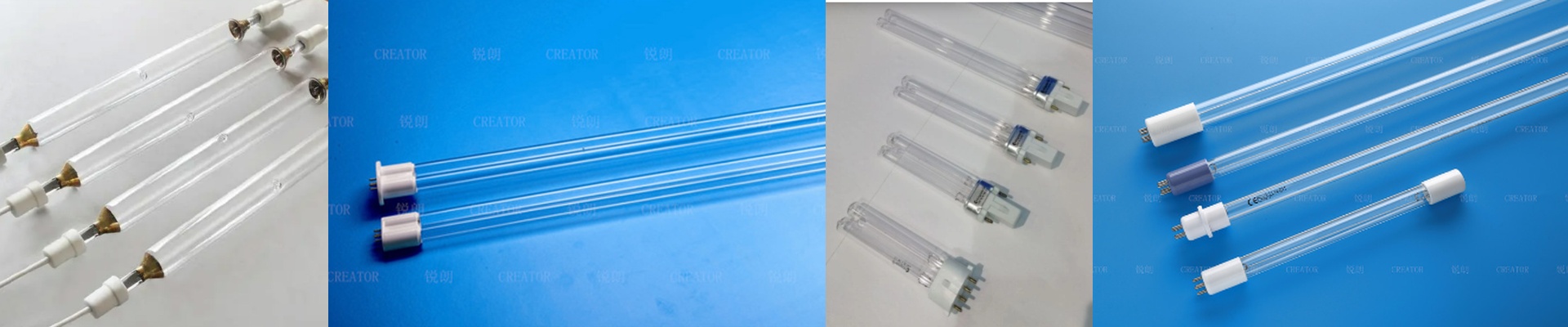
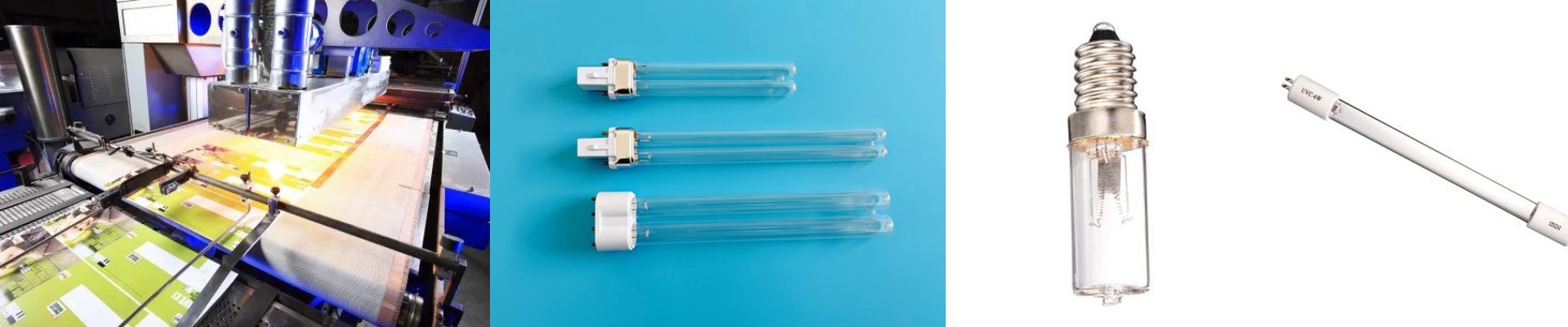
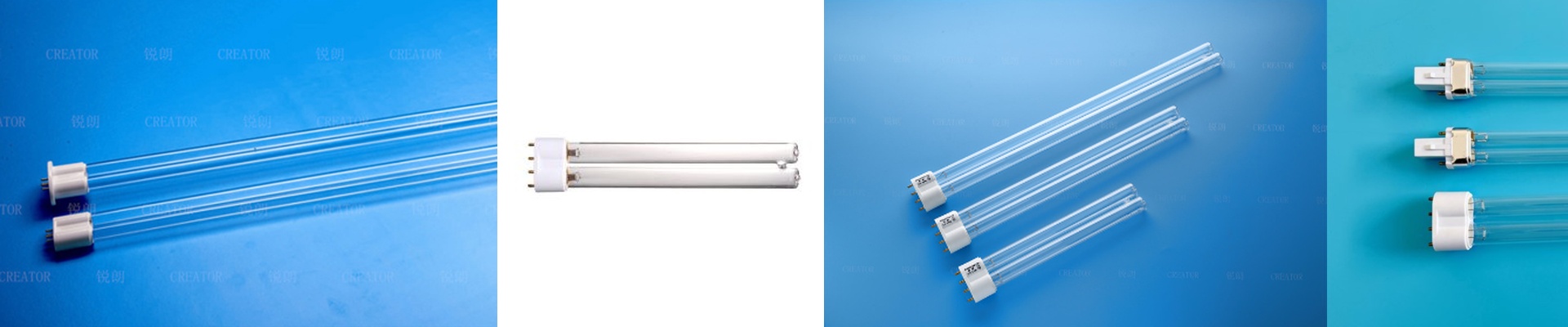
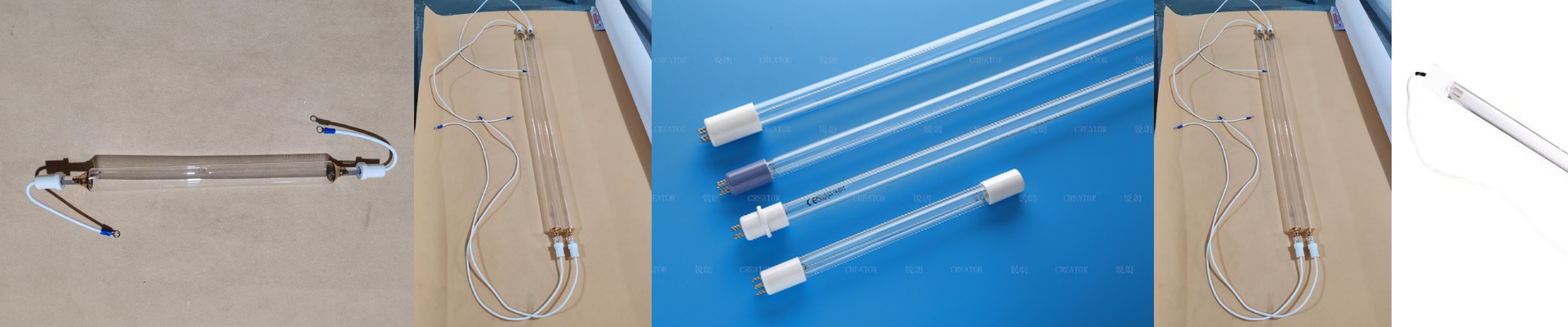
Getting Your UV Curing Right: The Truth About Gallium Iodide
I’ve spent a lot of time on the road—about 3,000 printing plants, to be exact. And in almost every shop, I saw the same frustrating problem. On paper, the UV output looked great. But on the actual shop floor? It wasn’t working. The ink wasn’t drying all the way through. Standard lamps just couldn’t punch through those thick layers or specialized coatings. That’s why we stopped obsessing over the basics and started leaning into Gallium Iodide (GaI).
Why Gallium Actually Works
Here is the thing about standard mercury lamps: they peak at 254nm. That’s fine for some things, but it’s not enough for the heavy stuff. Gallium iodide shifts that light toward the longer UV-A and UV-B wavelengths. Think of it as a deeper reach. If you’re doing thick-film screen printing or using inks with a ton of pigment, a mercury lamp usually just “skins” the top. It looks dry, but the bottom is still wet. Gallium fixes that. It gets deep into the ink film to make sure the whole layer is cured, not just the surface.
The Heat Struggle
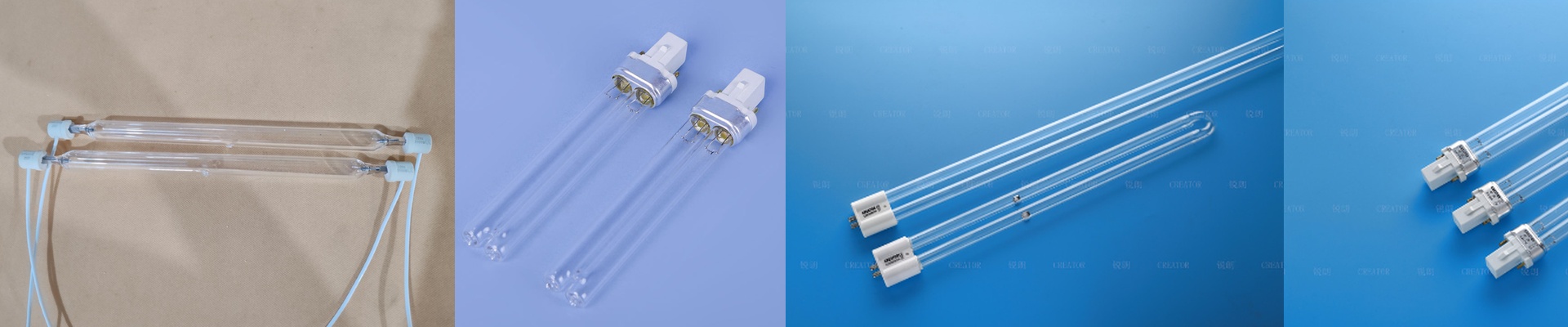
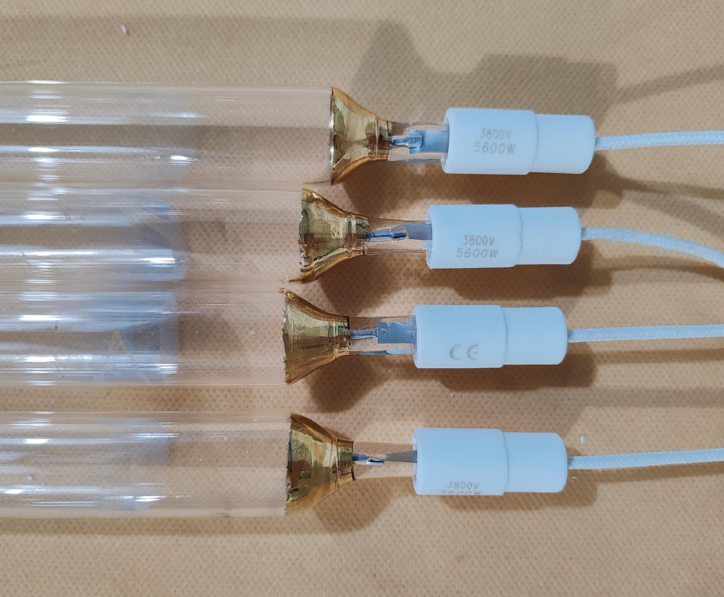
We use high-purity quartz glass for these lamps. We do that because otherwise, the glass clouds up as it ages—what the engineers call solarization—and your power drops. Right now, we’re focusing on packing as much wattage as possible into a small space to keep the footprint tiny. But there’s a catch. Power creates heat. A high-wattage GaI lamp puts out a massive amount of energy, but it also throws off a lot of infrared heat. If your conveyor is moving slowly, you might actually scorch your material. You’ve got to make sure your cooling fans and reflectors are actually doing their job to pull that heat away from your product.
Swapping Them Out
We didn’t want to make this a headache to install. These are designed as drop-in replacements. Since they match the electrical footprint of standard industrial ballasts, you can just swap your mercury tubes for Gallium. No need to rip out the wiring or rebuild your entire line. One tip: keep a close eye on your lamp hours. When the Gallium starts to run low, your cure rate dips. You might not notice it immediately, but your quality will start to drift. I usually tell people to just do a hard swap at 1,000 hours. It’s the easiest way to make sure every single print comes out exactly the same.