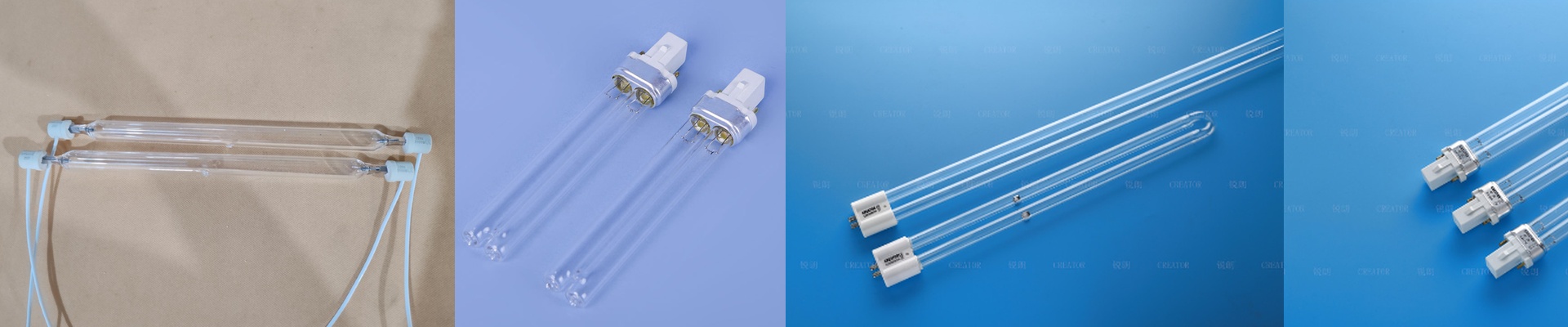
Let’s Talk UV Curing in the Textile Mill
Most people think UV lamps are just for killing germs. But if you’ve spent any time in a textile mill, you know they’re the real workhorses. We use them for everything—locking in dyes, curing coatings, and treating fabrics from the moment they’re woven until they’re ready to be shipped. If you’re looking to source these lamps from China, don’t get blinded by the wattage numbers. That’s the easy part. What actually matters is the spectral output and how the lamp handles heat.
How the Magic Happens
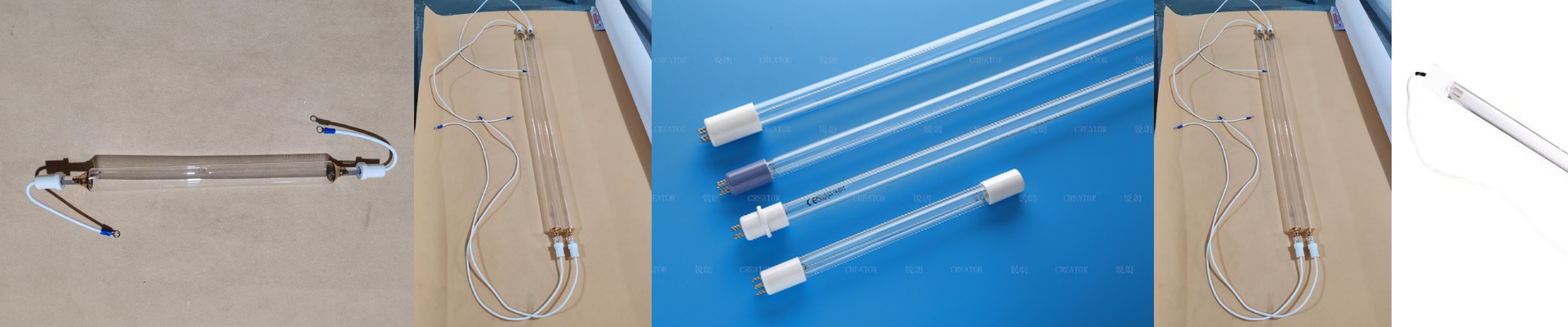
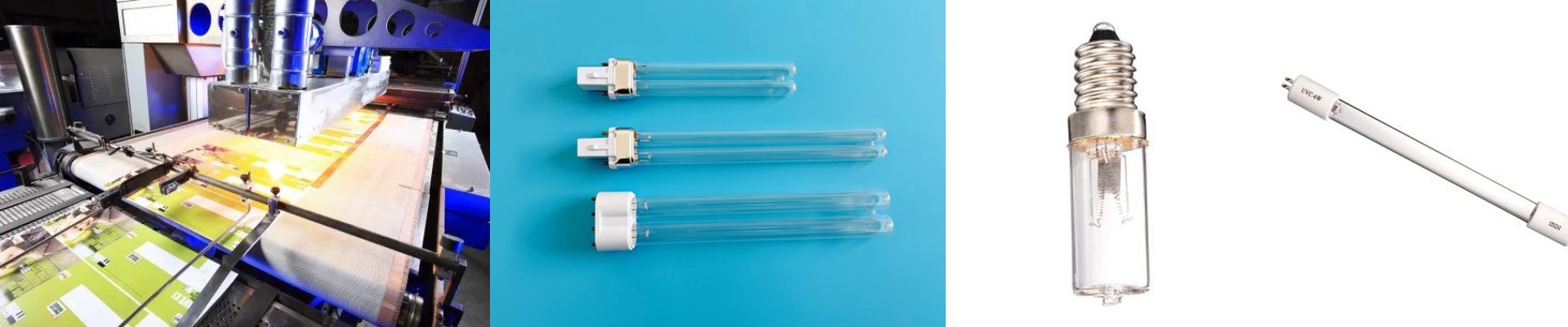
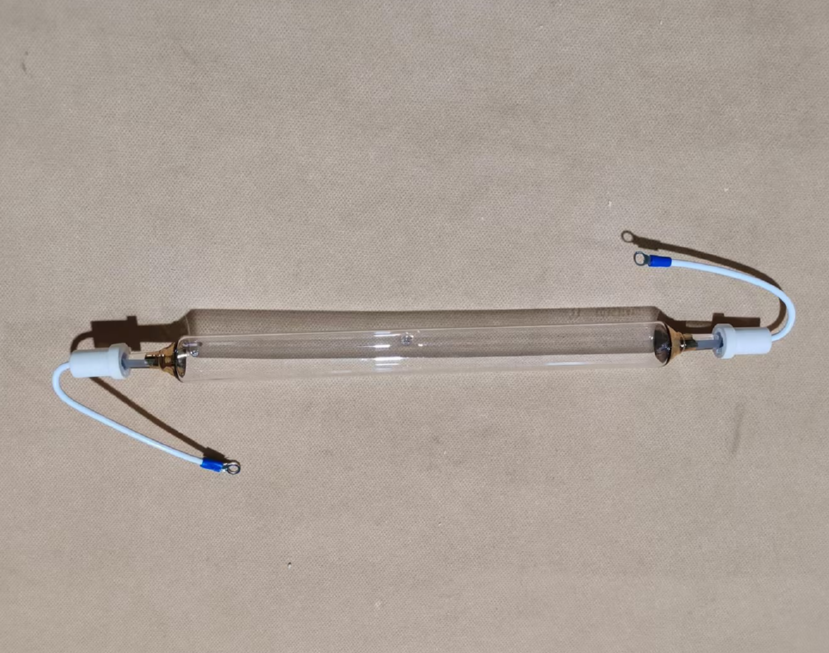
We usually lean on medium-pressure mercury lamps. Here is the deal: these units blast high-intensity UV radiation that triggers a reaction in the resins or inks on your fabric. The UV photons hit the photoinitiators in the ink, creating free radicals. Before you can even blink, that liquid monomer turns into a solid plastic film. It’s fast. Really fast. And that changes everything. You get a dry finish in seconds, which means you can ditch those massive oven arrays that usually eat up half your factory floor.
The Balancing Act
The biggest headache when picking these lamps is the fight between UV intensity and heat. You want a high-wattage lamp because it lets you crank up your line speed. But there’s a catch. Those lamps dump a ton of infrared heat right into the fabric. If your cooling system can’t keep up, you’re going to scorch your synthetic fibers. Not a good look. To fix this, I always suggest quartz glass envelopes with specific dopants. They filter out the unwanted IR wavelengths. The result? Your fabric stays cool while the UV does the heavy lifting.
Keeping Things Running
Usually, these lamps sit in a reflector housing to make sure every single photon actually hits the fabric. But here is a pro tip: your lamps will only last as long as your power is stable. Voltage spikes are killers—they burn out your electrodes way too early. If you want to save money, invest in stabilized power supplies. It’s a small move that prevents a lot of frustration. You’ll probably be swapping these tubes every 1,000 to 2,000 hours, depending on how hard you push them. Just bake that into your maintenance budget and keep the line moving.