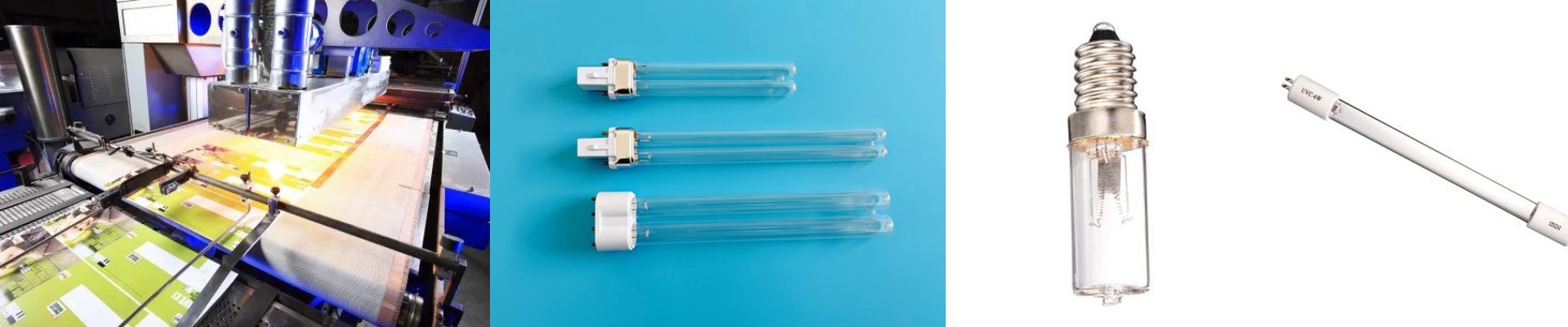
Why the “Cheap” UV Bulb is a Risky Bet
When you’re ordering industrial mercury UV bulbs in bulk, it’s easy to think you’re just buying a piece of glass and some gas. But it’s a bit more complicated than that. You’re actually importing a bunch of intellectual property. Things like the gas mix, how the electrodes are shaped, and the specific way the quartz is treated are usually protected by patents. It’s the “secret sauce” that makes the bulb actually work.
The headache of generic imports
Here’s the thing: buying unbranded, generic lamps from a supplier who doesn’t own their own tech is a gamble. A lot of these low-cost wholesale bulbs look exactly like the big-name brands on the outside. They have the same footprint and the same electrical specs. But they often ignore the patents. If your shipment hits a customs port with strict IP enforcement, your cargo gets flagged. Just like that, your shipment is gone, and you’re stuck dealing with legal fees and a missing order. Not a great way to start a business quarter.
The science (without the textbook)
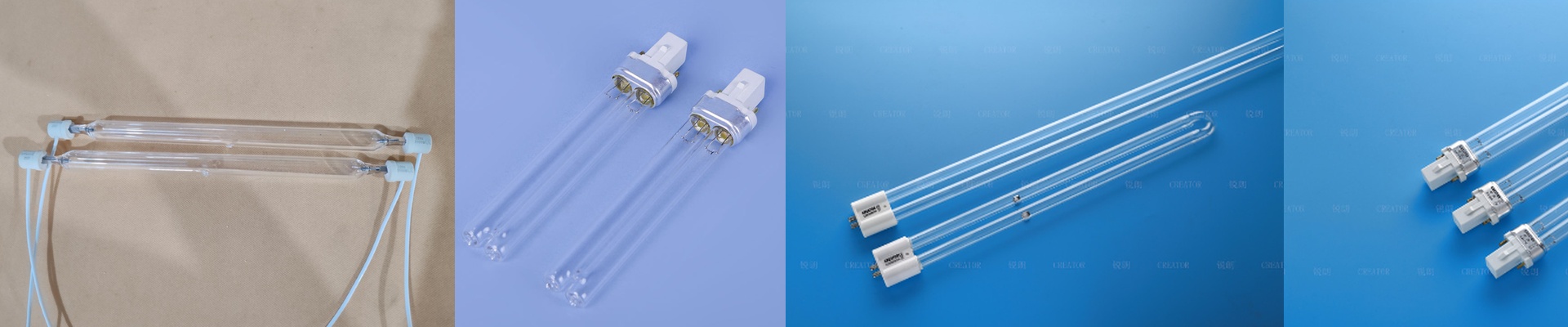
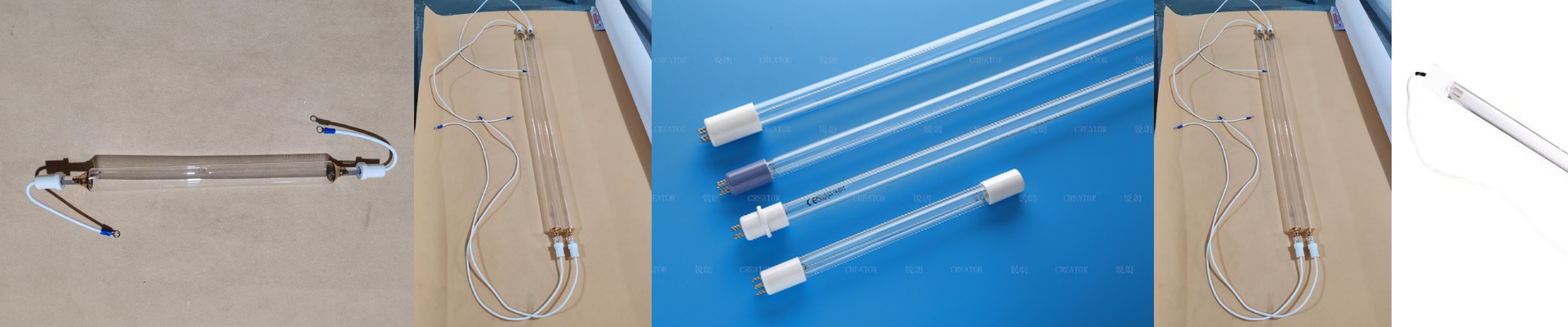
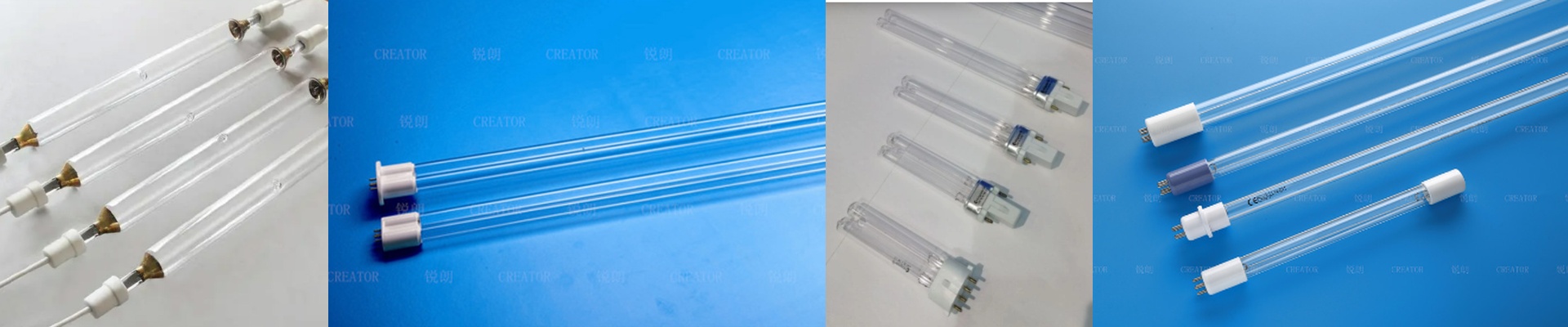
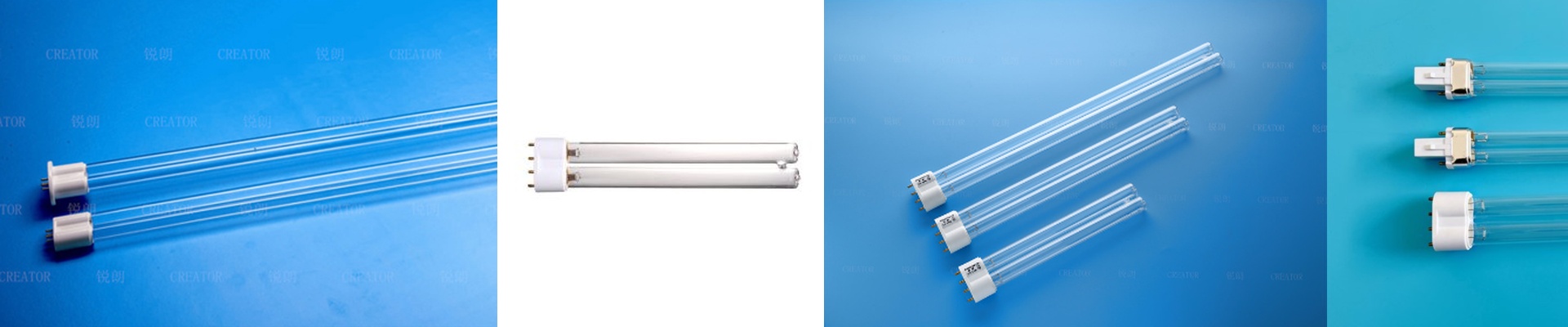
We build our lamps to hit a very specific target. To get that 253.7nm peak, you need a perfect vacuum seal and a precise dose of mercury vapor. We also use a special quartz blend. Why? Because standard glass can “solarize”—it basically clouds over time, blocking the UV light and killing your output. Plus, we make sure our lamps are simple drop-in replacements. We match the voltage and wattage exactly. You just swap them out. No rewiring your ballasts, no fuss.
Performance vs. Price
Yeah, patented tech costs more upfront. You’re paying for the R&D and the peace of mind knowing you won’t get sued. But the real win is the stability. Cheap bulbs are notorious for premature electrode burn-out because the materials aren’t pure. It’s frustrating. You think you’re saving money, but then a batch fails at 500 hours instead of the promised 2,000. Suddenly, your entire production line grinds to a halt. We’d rather give you a bulb that lasts and a supply chain you can actually trust, even if the unit price isn’t the absolute lowest on the market. It just makes more sense in the long run.