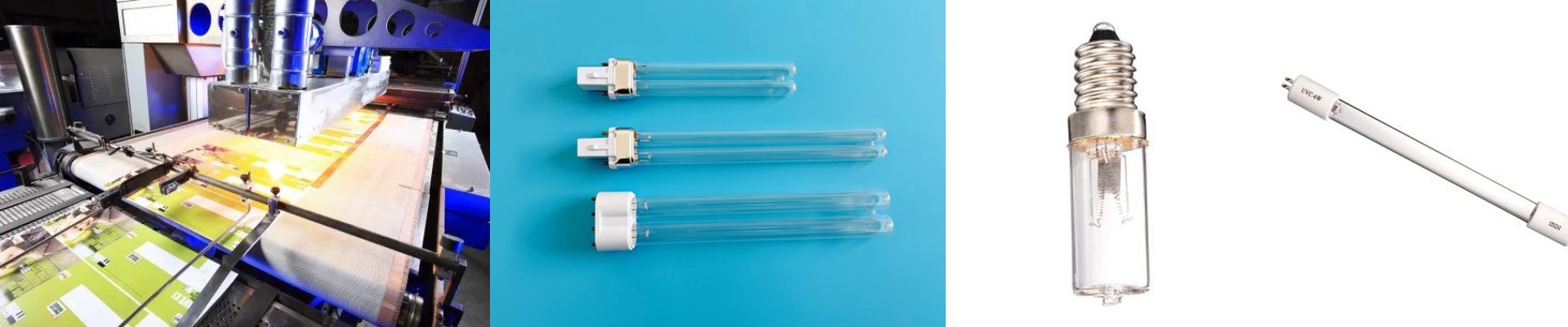
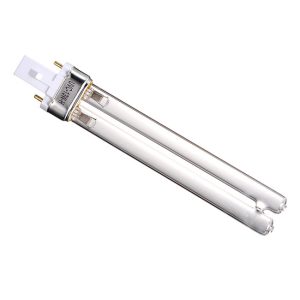
Getting Your UV Wavelength Exactly Right
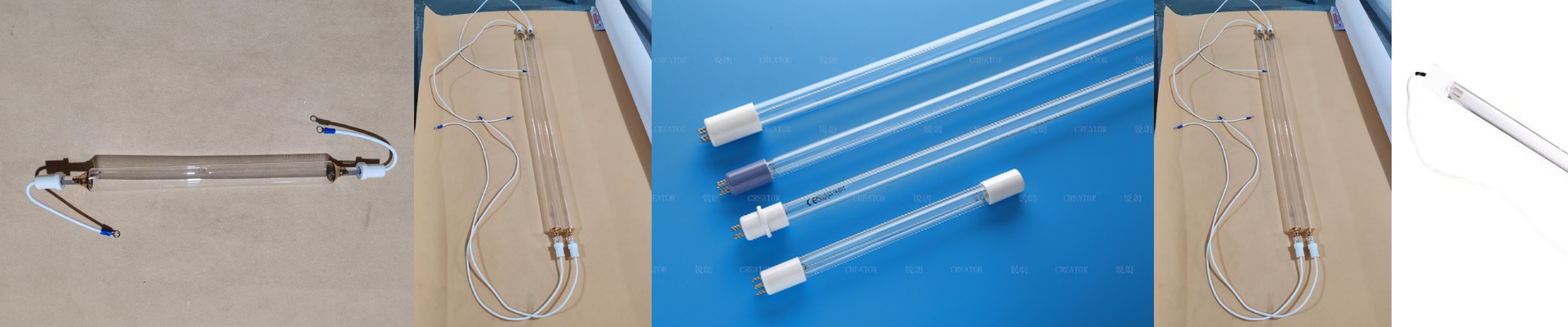
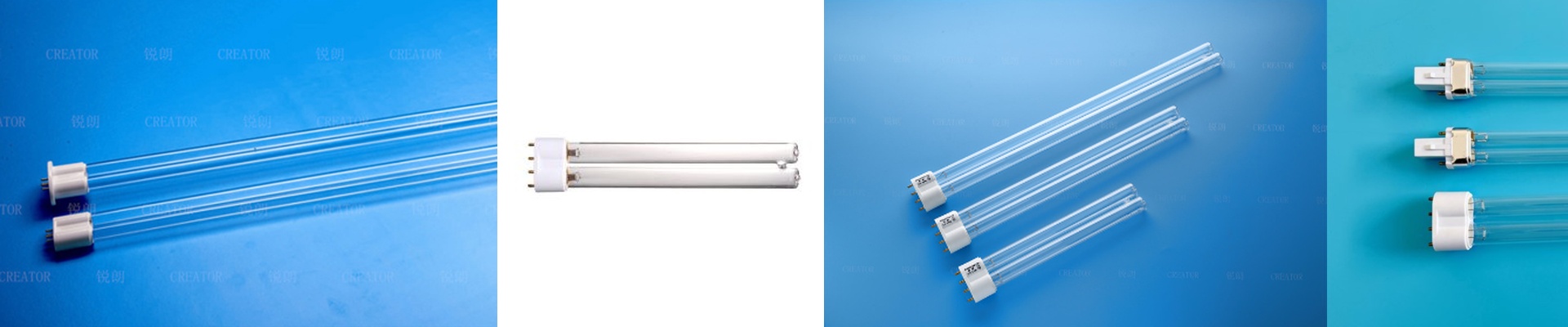
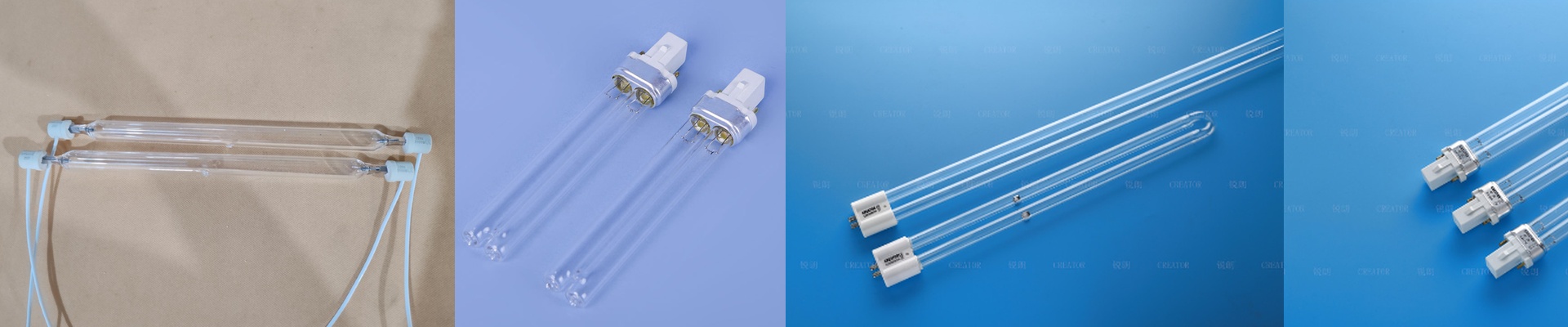
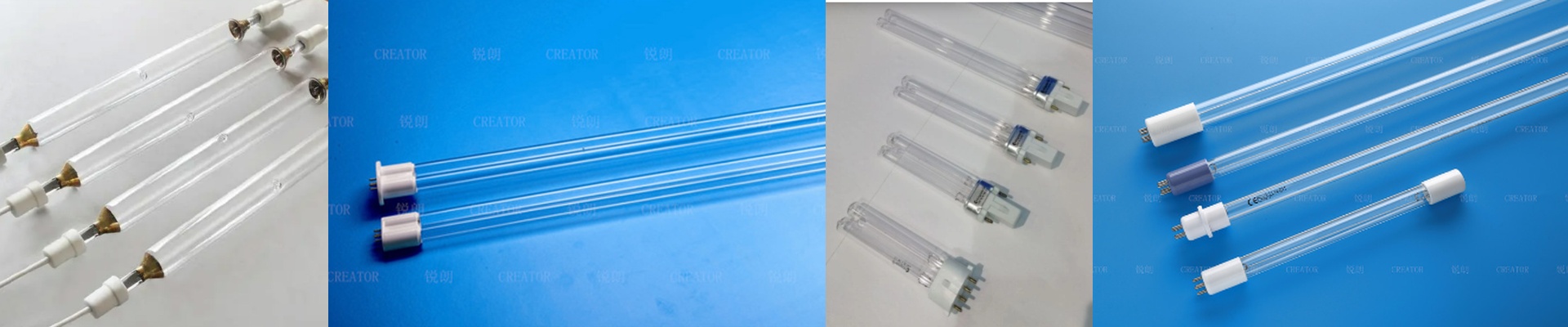
Most UV lamps you buy off the shelf are “generalists.” They throw out a broad spectrum of light, which is fine for some things, but if you’re dealing with precise curing or sterilization, “close enough” doesn’t cut it. That’s why we build Custom lamps at our facility in China. We don’t guess. We aim for exact nanometer targets. To do that, we have to be obsessive about two things: the gas mixture inside the tube and the purity of the quartz.
The trick to hitting the right peak
It’s not as simple as just plugging in a filament and flipping a switch. To get a specific peak wavelength, we play around with the internal pressure and the ratio of mercury to argon. It sounds like a small detail, but a shift of just 5nm can be the difference between a perfectly cured resin and a tacky, sticky mess that ruins your day. We spend a lot of time in the lab with spectrophotometers, checking and double-checking those peaks so the lamp actually does what your spec sheet says it should.
The quartz struggle: Strength vs. Light
Standard glass is useless here—it just blocks the UV. We use high-purity synthetic quartz so the shortwave radiation can actually get out without the energy getting absorbed. If we didn’t, the tube would just overheat and burn out. But here’s the trade-off:thickness. Thin walls let more UV light through. Great, right? But they’re also fragile. If your lamp is going into a machine that shakes or vibrates constantly, we’ll thicken the quartz. You might lose a tiny bit of intensity, but you won’t be replacing broken lamps every other week.
Power, heat, and the “leaks”
Running these lamps takes a steady hand with the ballast. If you try to over-drive the lamp to get more power, you’ll actually shift the spectral peak and kill the lamp’s lifespan. We design the electrical side of things to keep that arc stable and predictable. And because we do custom lengths and diameters, standard sockets usually don’t fit. We machine our own end-caps to make sure the seal is airtight. If there’s even a tiny leak, the gas escapes and the lamp is dead. One last thing: don’t forget the heat. You’ve got to have a cooling system that can handle the infrared byproduct. If you don’t, the quartz will experience thermal shock and just crack. Simple as that.