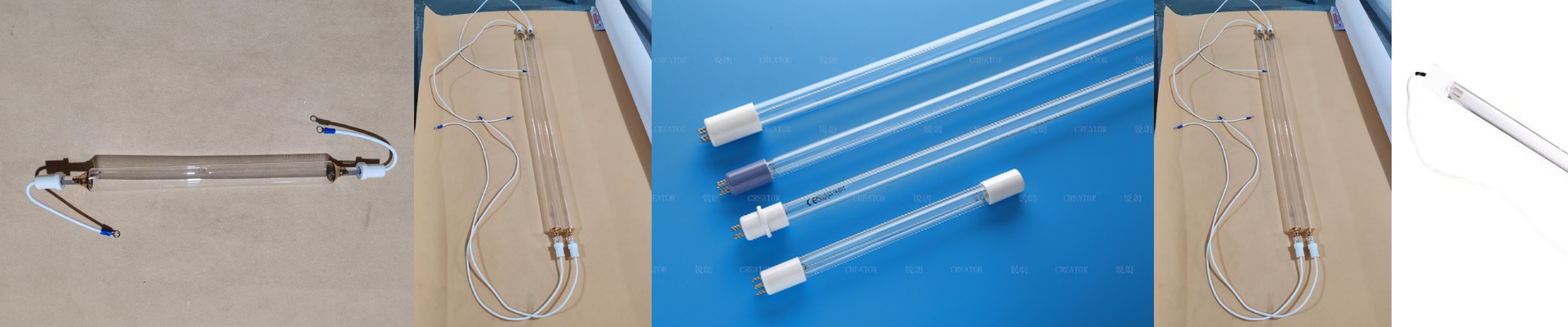
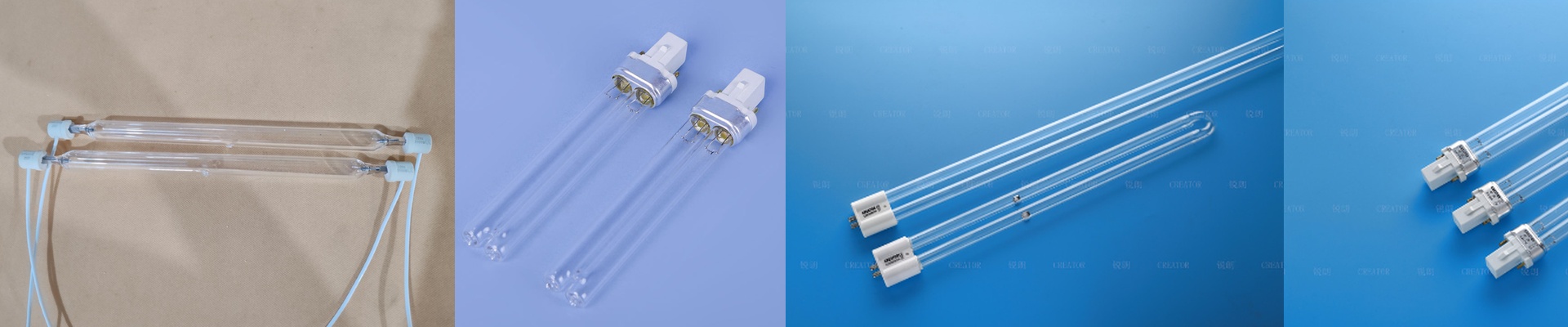
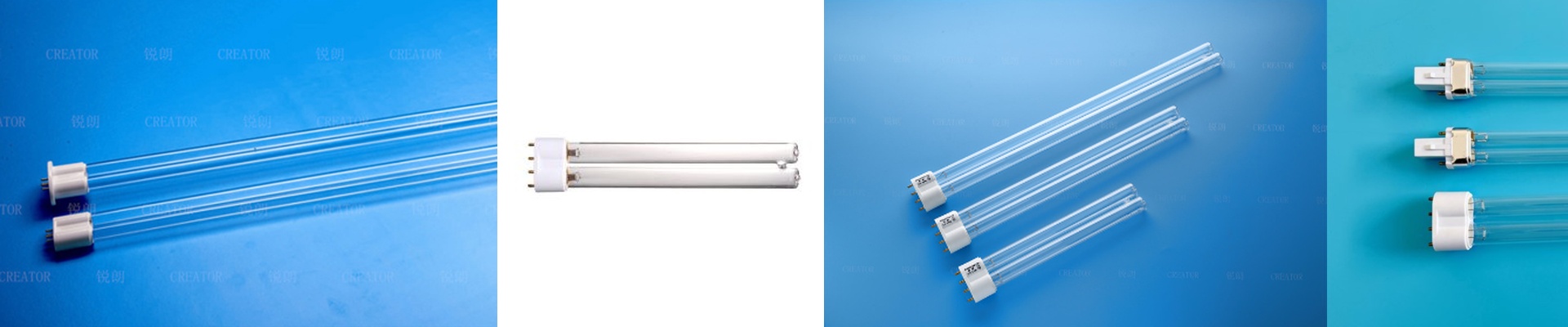
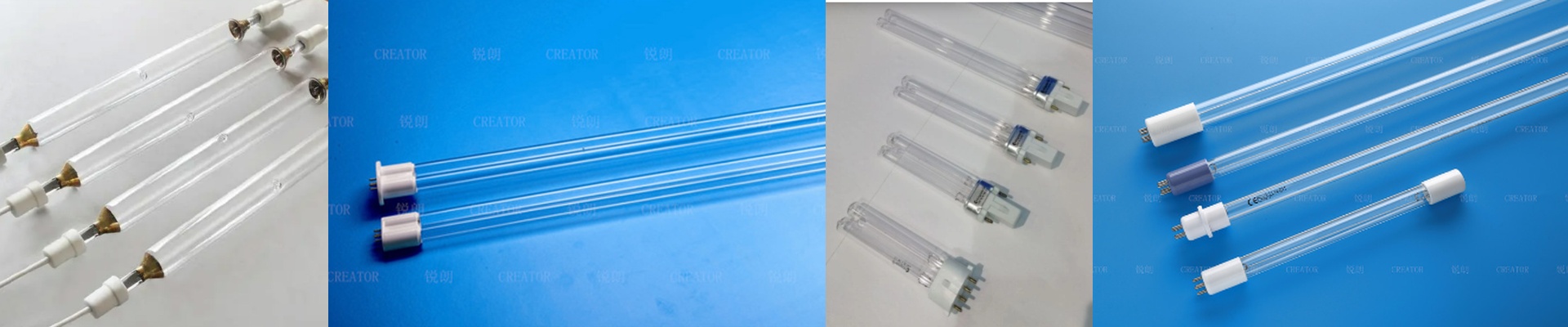
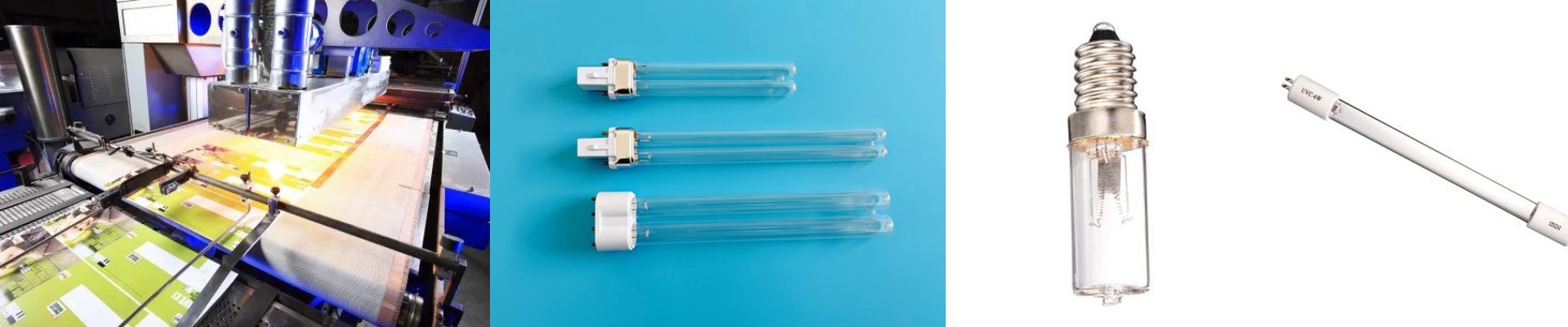
Walk the press floor and you spot it fast: cartons coming off the line with a slight color drift between runs. Often the culprit isn’t the ink batch—it’s the lamp. In offset and screen work, color stays consistent when the UV lamp’s spectral output lines up with the ink’s photoinitiator absorption. Get that match wrong—say the lamp peaks at 385nm while the ink is tuned for 365nm—and pigments end up under-cured or over-exposed. Opacity and hue drift. Technical Parameters: Power, Spectrum, and Curing Efficiency When we spec replacement UV lamps for presses, we anchor on two hard realities: spectral output and delivered energy density. High-pressure mercury vapor lamps throw a broad spectrum with strong peaks at 365nm, 385nm, and 405nm. For most offset and screen inks, that 365nm peak is the workhorse, driving the deep cross-linking that locks pigments and binders. Power doesn’t equal cure. What matters is peak irradiance at the substrate plane and the integrated dose in mJ/cm². We build lamps to hold stable spectral output over life, controlling arc gap and using doped quartz to keep spectral drift in check. Expect consistent output through 5,000+ hours, with less than 5% drop in irradiance when you stay within rated power and keep reflector alignment tight. Why It Works Here: Color Stability and Throughput Match the wavelength, and color stays put across shifts. When the lamp holds its 365nm peak and the reflector efficiency stays uniform, you get even surface cure and through-cure. Pigments sit consistently, and trapping repeats. The payoff is fewer off-spec runs, less makeready, and ink consumption you can plan for. You also gain on energy use: stable output means you can run at the ink supplier’s recommended dose, instead of cranking power to compensate—which wastes energy and ages the lamp faster. Things to Know: Compatibility and Operating Constraints Matching the lamp to the press isn’t optional. Confirm arc length, base type, power, and ballast compatibility; a mismatched ballast changes current, shifts the spectrum, and cuts life. Reflector condition and position matter too—dichroic coatings and focal distance directly shape spectral distribution. Running above rated voltage accelerates output decay; under-voltage drops peak irradiance and stalls curing. The design is ozone-free, but ventilation is still a must. Before full production, verify with a spectral radiometer and cure meter to tie lamp output to your ink’s required dose.