Getting Your UV Curing Right
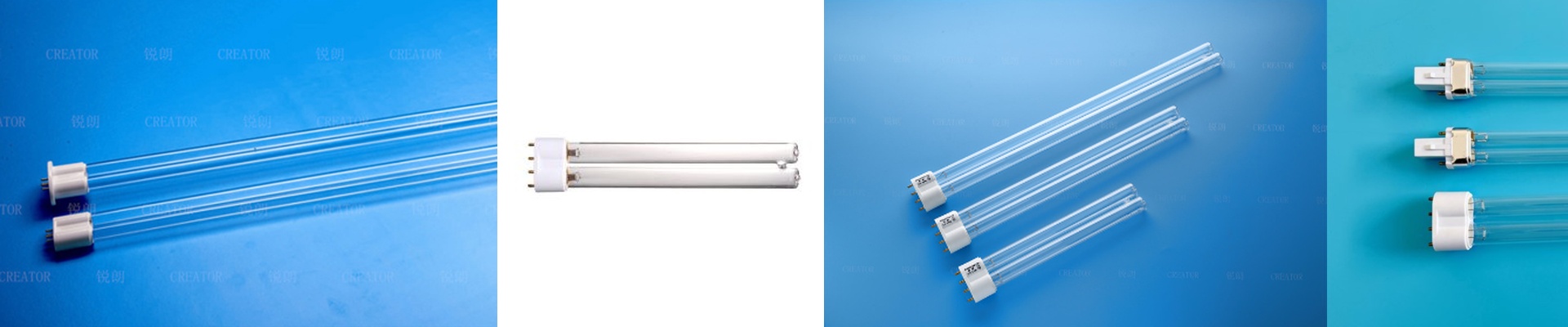
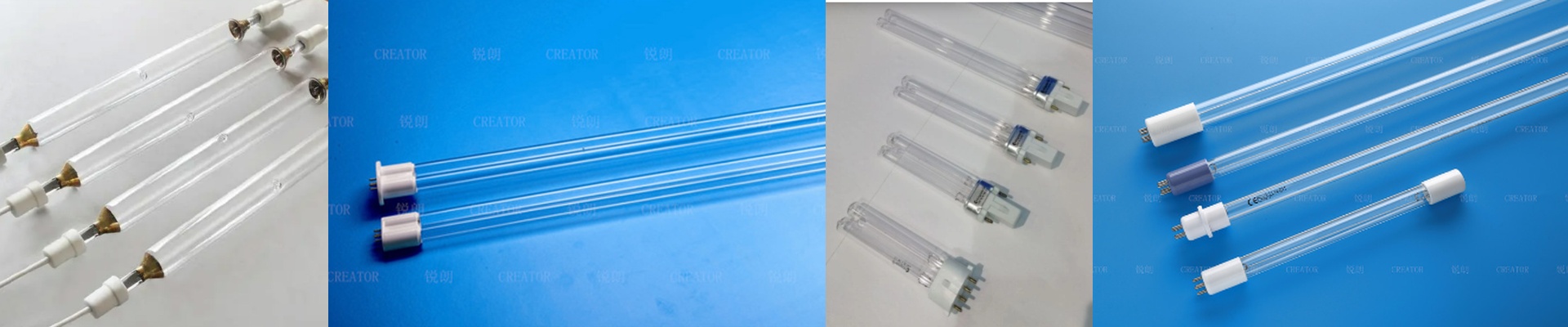
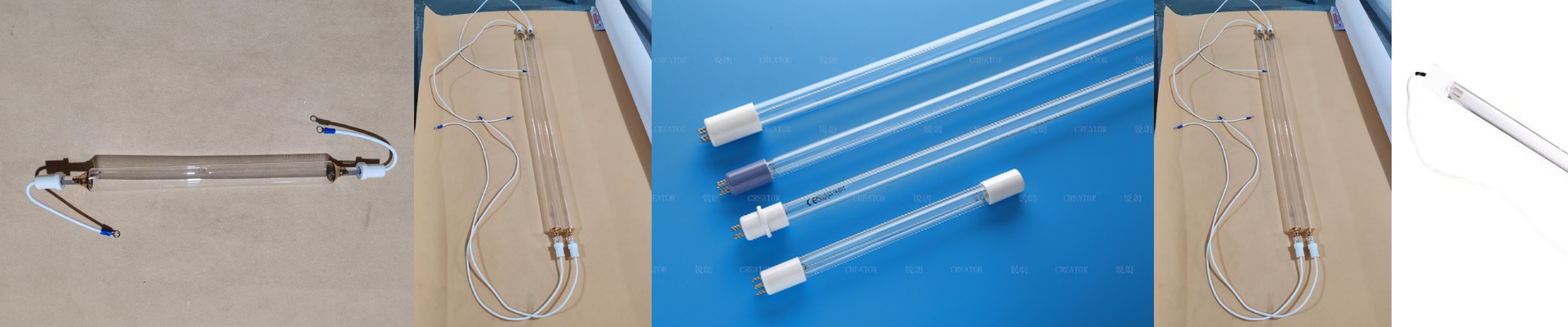
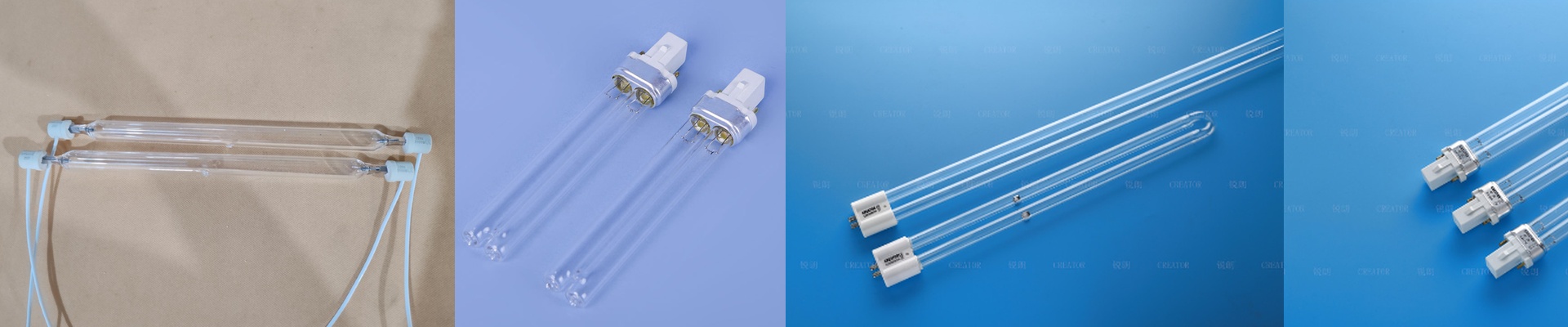
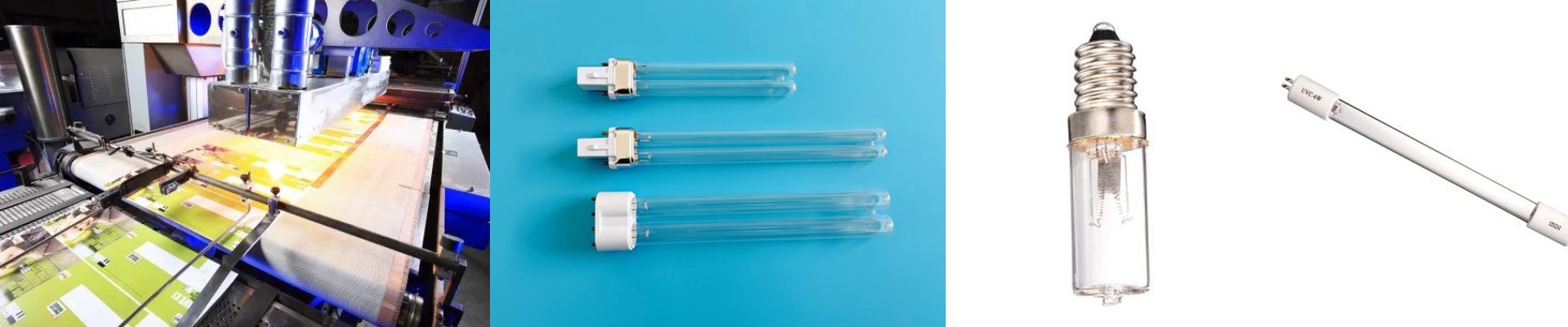
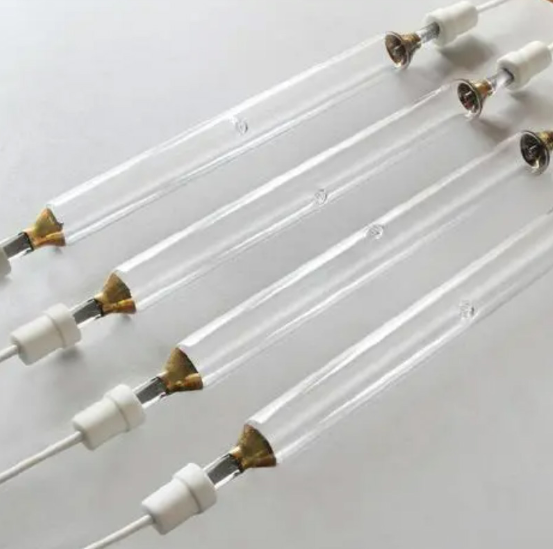
In the world of textile printing, there’s a very thin line between a crisp, professional print and a smeared mess. That line is your UV curing profile. We make UV lamps that do one thing: lock ink into fabric fibers fast. It isn’t about just “turning on a light.” It’s about hitting that sweet spot where the ink bonds perfectly, but your fabric doesn’t end up scorched. The balancing act of speed When your conveyor is moving, you need serious power density. We spec our tubes to balance wattage against how fast your press is running. If the wattage is too low? The ink stays tacky. If you crank the power too high without adjusting the distance? You’ll burn right through the material. It’s a bit of a dance, but we calibrate the output so the ink hits that critical threshold and sets instantly. The gear that actually works We use high-purity fused quartz for the envelopes. Why? Because standard glass blocks the UV-C and UV-B wavelengths. Using regular glass would make the lamp basically useless for curing. Quartz lets that shortwave radiation pass through without getting bogged down. One heads-up: these things gethot. Because they pack so much energy into a small space, the tube temperature spikes fast. This is why your reflectors need to be polished aluminum. If they aren’t, you’re essentially throwing away half your energy as wasted heat instead of pushing it back onto the fabric. Keeping things running We design these for easy, drop-in replacement. Whether you’re using standard G10 or something more specialized, the fit has to be tight. If it’s loose, the arc gets unstable, and you’re back to square one. Just remember that these lamps don’t last forever. Eventually, the electrode wears down. The tricky part is that the lamp might still glow blue, but the actual UV output is dropping. Keep a close eye on your run-hours. Once that output dips, the cure rate fails, and you’ll start seeing ink migrate across your finished fabric. And nobody wants that.