Dealing with Electrical Noise in Big UV Arrays
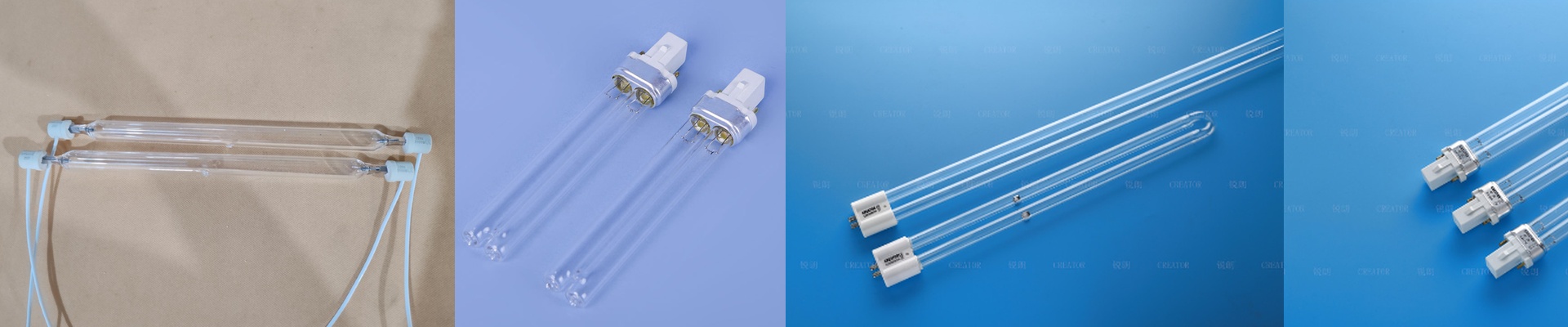
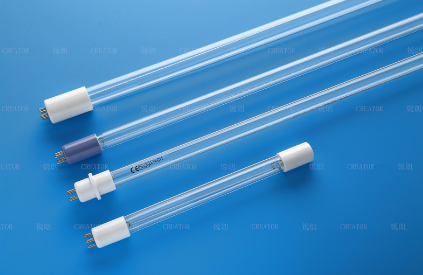
If you’ve ever run a few large-scale printing presses in one building, you know the headache. It’s a mess of electrical noise. All those massive motors and frequency converters kick back electromagnetic interference (EMI) that can make standard UV bulbs flicker—or just die on the spot. We built our germicidal UV lamps specifically to survive that kind of chaos. Keeping things steady when the power gets “dirty” Most bulbs just can’t handle a shaky power grid. They fluctuate. They fail. We spent our time focusing on ballast compatibility and internal electrode stability so the arc stays locked in. Think about a typical printing plant. Machines are cycling on and off all day, which means voltage spikes are basically a given. Our bulbs are designed to shrug those off. You won’t get that annoying “stutter” that leads to patchy sterilization or filaments burning out way too early. The guts of the lamp We use a specific blend of quartz and special electrode coatings to keep the plasma discharge stable. The goal is simple: keep the UV-C output steady, no matter how much electronic noise is screaming around it. Without this kind of stabilization, a nearby press motor can actually induce currents that mess with the lamp’s arc. We tightened the tolerances on everything inside the bulb to stop that from happening. Making it work in the real world These are drop-in replacements, so they fit right into most industrial fixtures. It’s an easy swap. But here’s the thing: the bulb is only half the battle. If your wiring is a disaster or your press frame isn’t grounded properly, no bulb in the world can ignore that noise. To get the full lifespan out of these, you’ve got to feed them clean power. We sell these in bulk for a reason. When you have 100+ lamps running, consistency is everything. If just one bulb dips in power because of interference, your whole batch could be at risk. It’s just not worth the gamble.