Getting Your Custom UV Lamp Design Right
Starting a UV brand is about more than just slapping a logo on a box. If the lamp doesn’t hit the right curing speed for your specific materials, the whole thing falls apart. That’s where we come in. We handle the messy technical stuff—wavelengths, heat, and the boring physics—so you can just give your clients a product that actually works.
Power and Wavelength: Finding the Sweet Spot
Here’s the thing: UV lamps aren’t one-size-fits-all. Curing a thin layer of adhesive is a completely different beast than drying a thick coating. We tweak the wattage and voltage to make sure you’re getting the right amount of punch. But there’s a catch. High-wattage tubes speed things up, but they gethot. Like, really hot. If you push for max output without a beefy cooling system, you’re looking at a cracked quartz envelope. It’s a balancing act between raw power and heat management, and we’ll help you find that middle ground.
The Nitty-Gritty: Glass and Wires
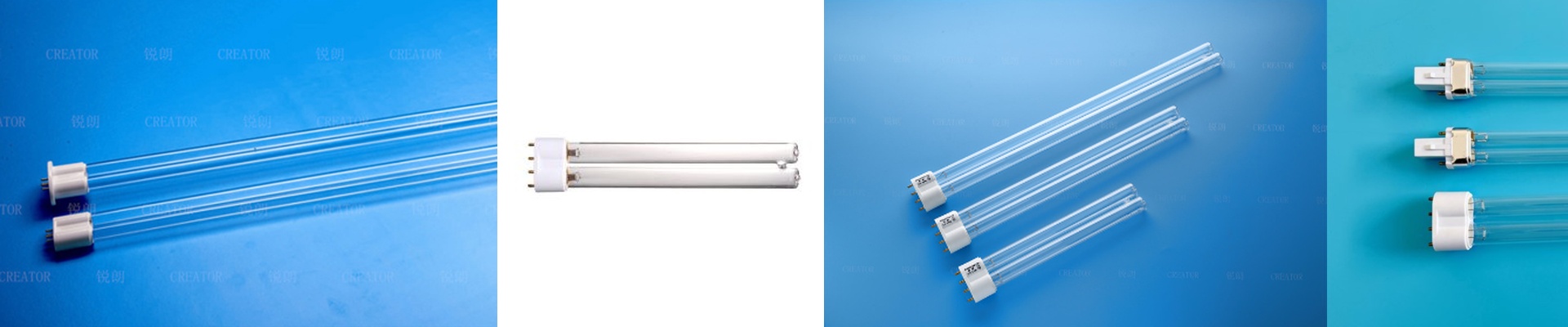
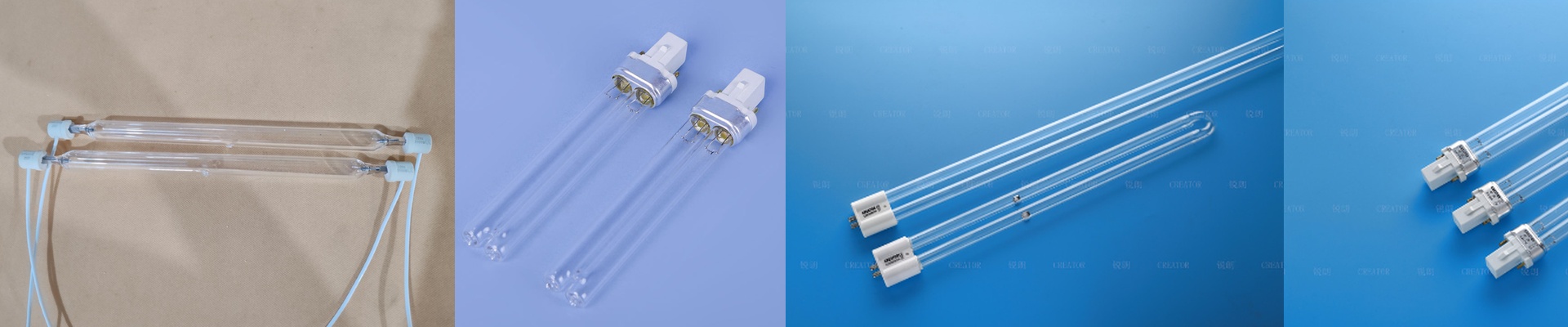
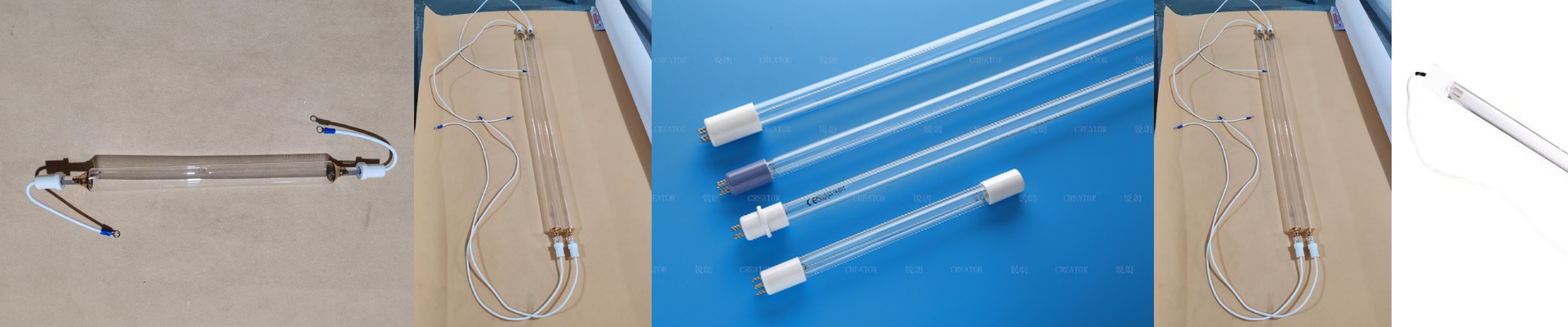
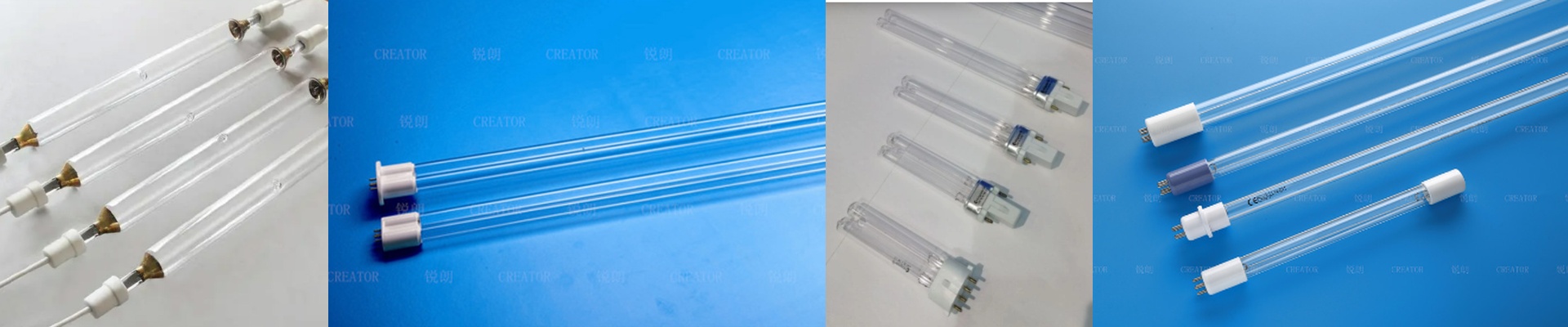
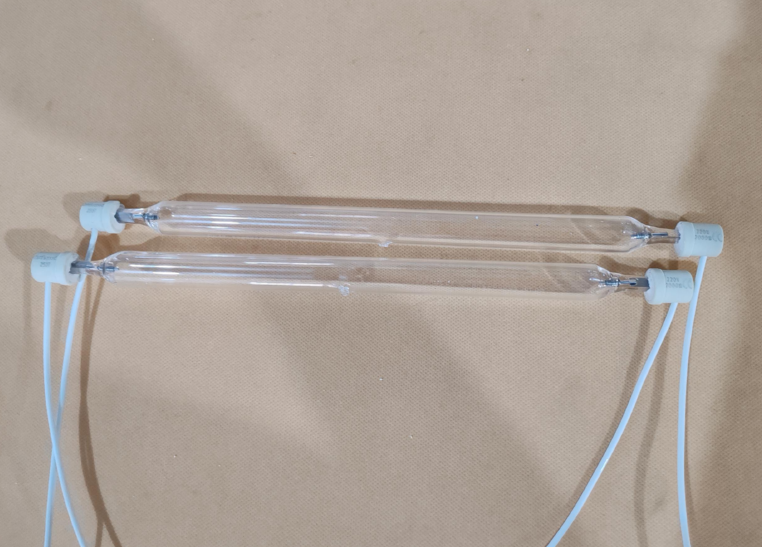
We use high-purity fused quartz because it lets the UV light through without fighting it. And if your environment is a bit chaotic—say, you’ve got chemical splatter flying around—we can add coatings to the glass to protect the tube or filter out the wavelengths you don’t need. Now, let’s talk about wiring. This is where most OEM designs go south. You’ve probably seen terminals that just burn out. That usually happens because the connectors weren’t built for the current. Whether you want a simple plug-and-play R7s base or something more niche like an SK15, we match the wire gauge to the lamp’s peak amperage. No arching. No meltdowns. Just a solid connection.
Making it Fit
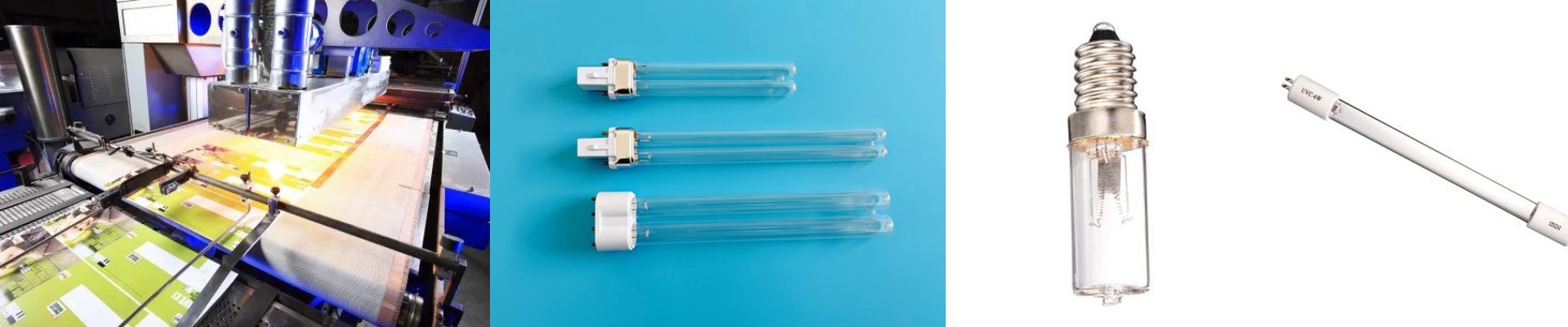
A custom lamp is useless if it doesn’t fit the machine. We build to your exact length and diameter so the lamp sits exactly where it needs to be. It’s a tight window. If the lamp is too far away, you lose your intensity. Too close? You might actually scorch the material. We give you the exact electrical specs, too, so you can hook it up to your ballasts without worrying about blowing a fuse the second you flip the switch.