Using UV-C in the Textile Mill
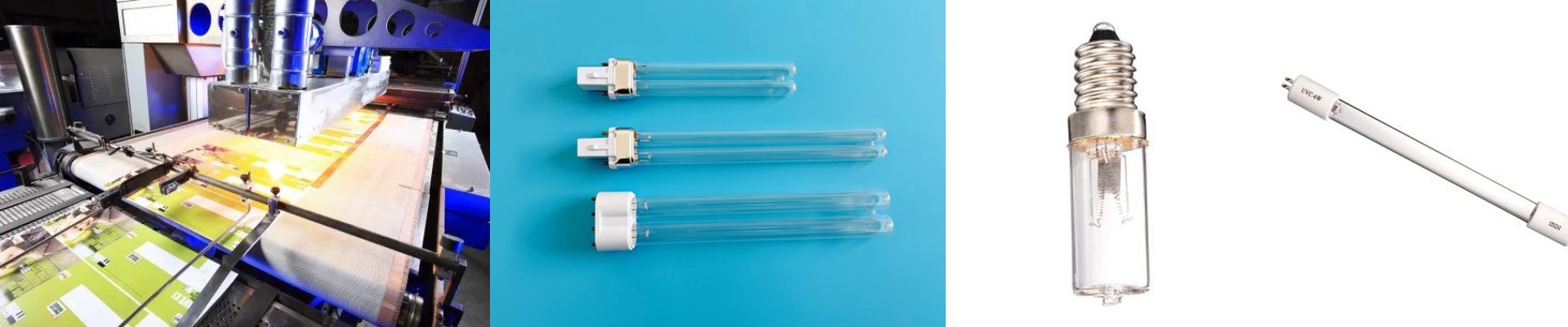
Most people think UV lamps are just for scrubbing surfaces, but in a textile plant, they’re more like a secret weapon. We use them for everything—from the moment the raw fibers arrive to the second a finished shirt gets tossed into a shipping container. They help us set dyes, clear out organic gunk, and make sure the fabric is actually sterile before it leaves the building.
Getting the settings right
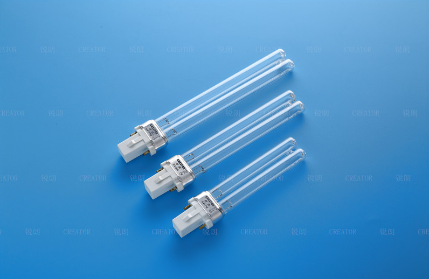
Usually, we stick with low-pressure mercury vapor lamps that hit that 254nm sweet spot. The tricky part is the math. You have to look at the dosage (mJ/cm²) and the speed of your conveyor. If you’re cranking out fabric on a high-speed belt, you need more wattage to keep the “kill rate” where it needs to be. But you can’t just blast the power and call it a day. It’s a balancing act. Move the belt too fast? The fabric doesn’t get enough light. Move it too slow? You might actually start damaging the synthetic fibers.
The gear and the danger
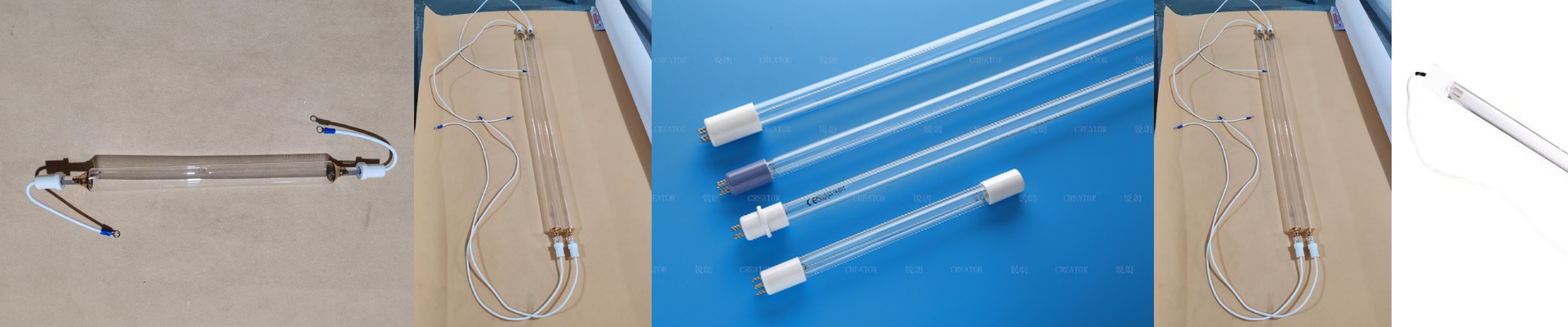
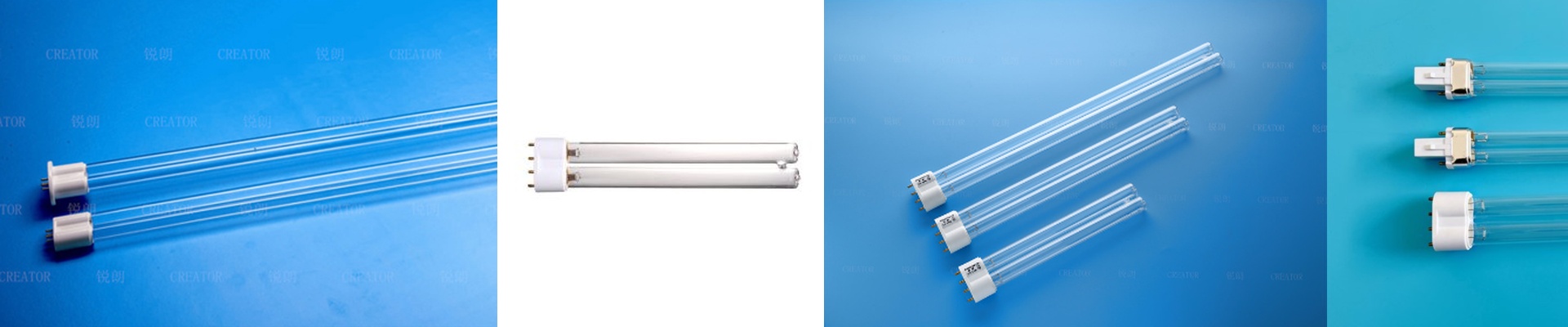
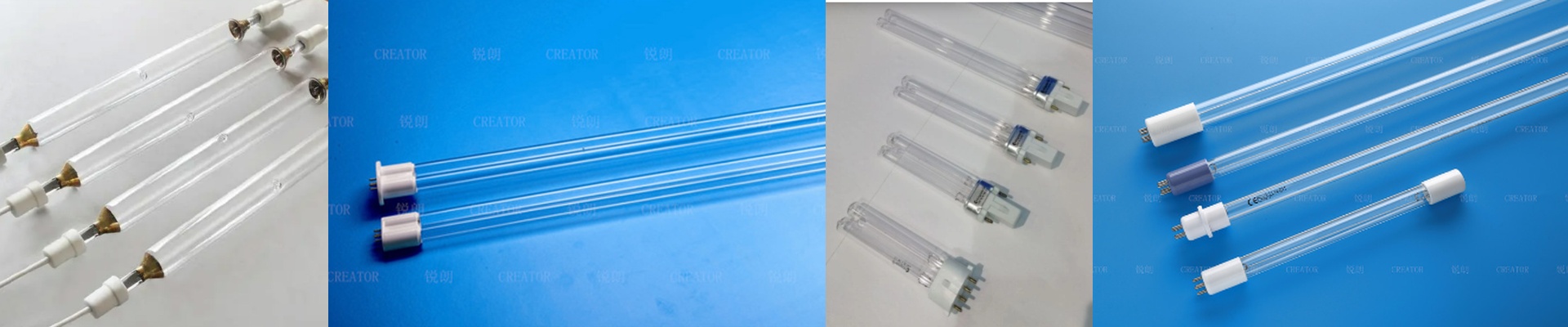
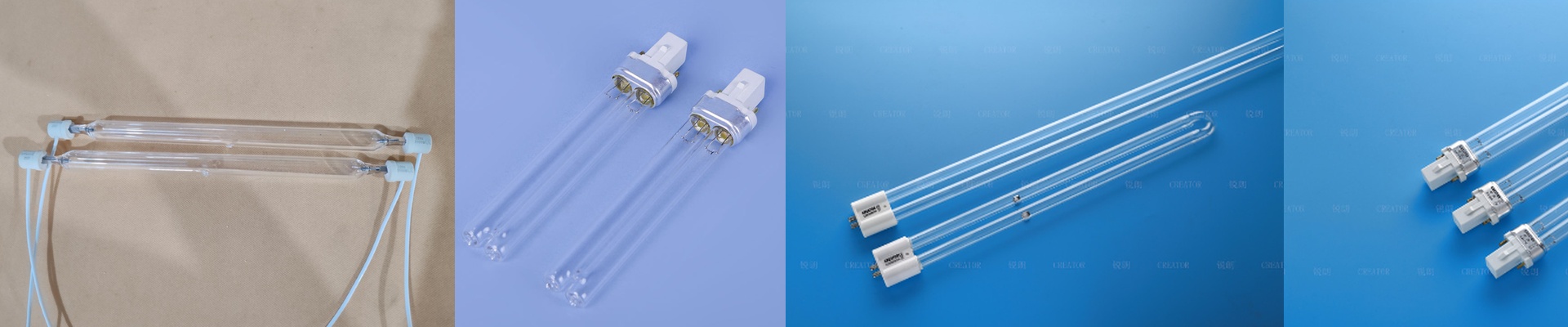
We use high-purity quartz glass for the tubes because regular glass just blocks the UV-C light. The problem is that quartz is fragile. Factories are loud, shaky, and dusty places. One wrong move or a bad vibration and those tubes can snap. That’s why we wrap them in tempered glass or polycarbonate guards. It keeps the lamps safe and the people safer. And speaking of safety—this stuff is no joke. Direct exposure to 254nm light will burn your skin and wreck your eyes permanently. To stop that from happening, we use interlocking switches. The moment a tech opens an access panel, the power cuts. No exceptions.
The trade-offs
Here’s the thing: high-output UV systems get hot. The lamps themselves aren’t as scorching as IR heaters, but when you’ve got a whole tunnel full of tubes and ballasts, the temperature in the room climbs fast. Plus, you have to deal with the ozone. You need a ventilation system that actually works to pull that gas out of the air. If you let the ozone linger, it’ll eat away at your machinery and make your operators feel like they’re choking. Not a great way to run a shop.