
Getting Your PCB Curing Right with Gallium Iodide Lamps
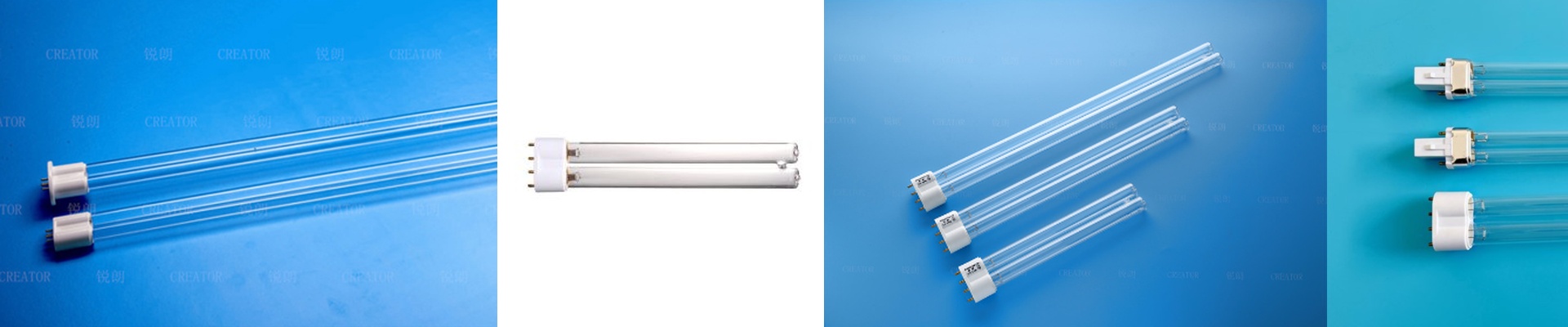
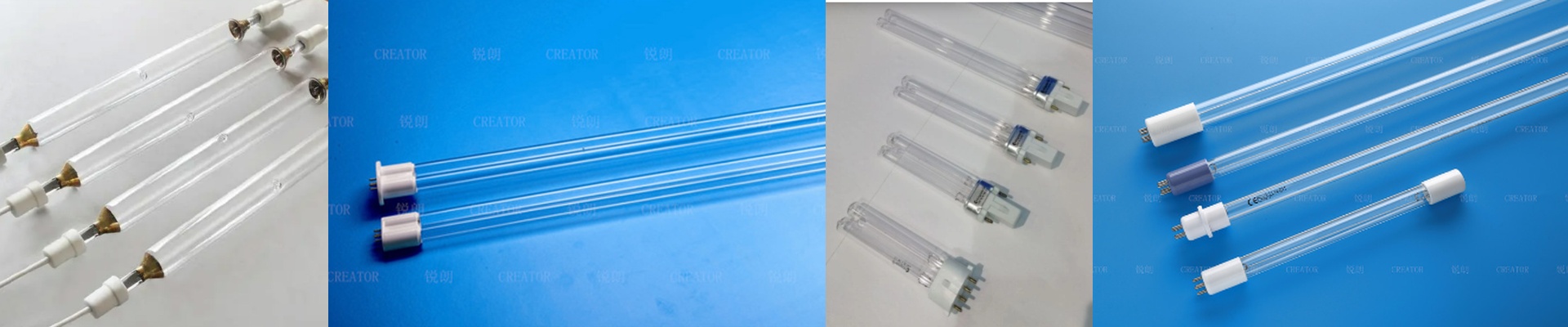
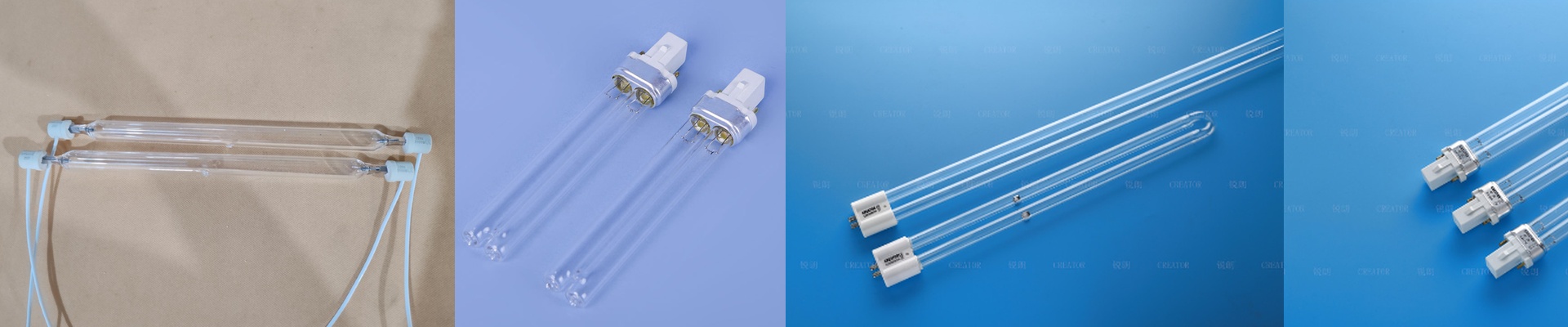
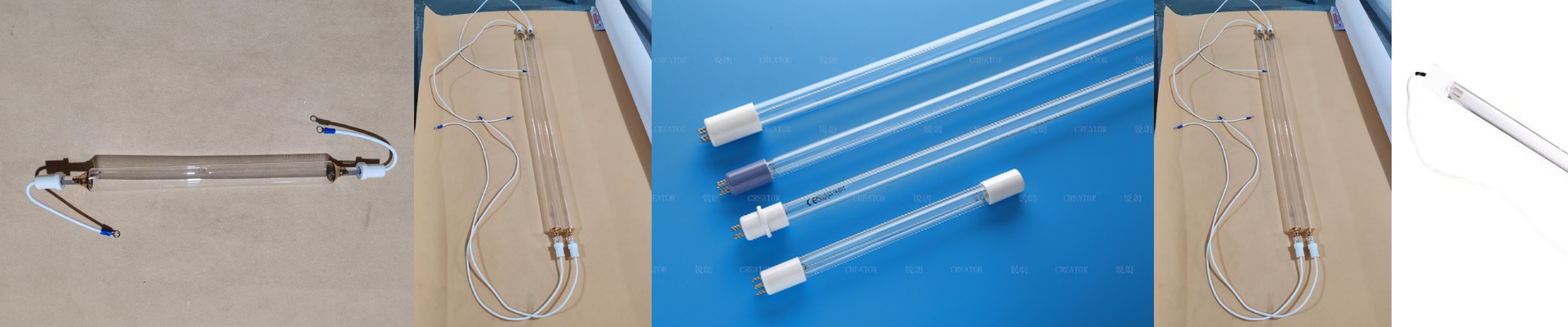
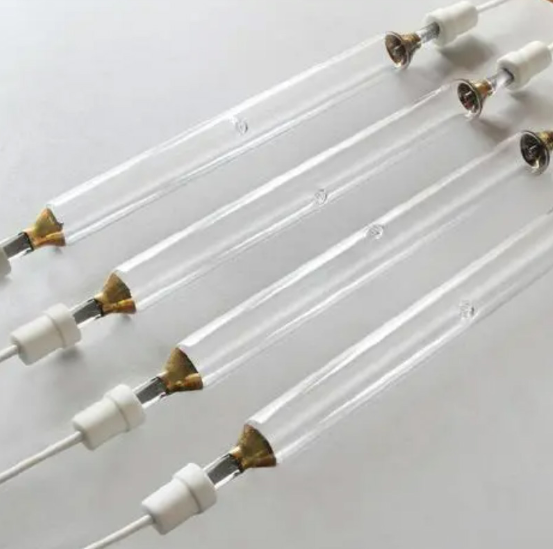
If you’ve spent any time in a PCB fab, you know the headache of trying to get those lines perfectly sharp. It all comes down to the curing process. If the photoresist doesn’t polymerize just right, you’re looking at a mess. Standard mercury vapor lamps are fine for some things, but they often miss the mark here. That’s where gallium iodide lamps come in. They hit the specific UV wavelengths you actually need to get the job done. The technical side of things Here’s the thing about these lamps: they shift the emission peak. Why does that matter? Because it stops those annoying inconsistencies where the center of your board is under-cured while the edges are basically toasted. But you have to be careful with your setup. You can’t just crank up the wattage and hope for the best. You’ve got to balance the power density with your conveyor speed. If you push too much heat without moving the boards fast enough, you’ll warp the substrate. And nobody wants to deal with a bent board. Dealing with the heat These things run hot. Really hot. To handle that, we use high-purity quartz envelopes so the UV light can actually get out. We also beef up the end-caps so you don’t have to worry about gas leaking during the heat-up cycle. But the real secret is your cooling. You need a steady, reliable flow of air. If the tube overheats, the quartz gets stressed, it cracks, and your lamp burns out way sooner than it should. It’s a simple fix, but it’s the difference between a lamp that lasts and one that dies in a week. Putting them to work Most of the time, we see these lamps in dry film lamination and photo-masking. They have the raw intensity needed to punch through thick resist layers, which means you can move your line faster. The best part? They’re usually a drop-in replacement for standard UV housings. Just one heads-up: check your ballast. Gallium lamps don’t start the same way standard UV tubes do. If your ballast settings are off, the lamp might not even strike, or you’ll just end up killing the bulb’s lifespan. Get the voltage right, and you’re golden.