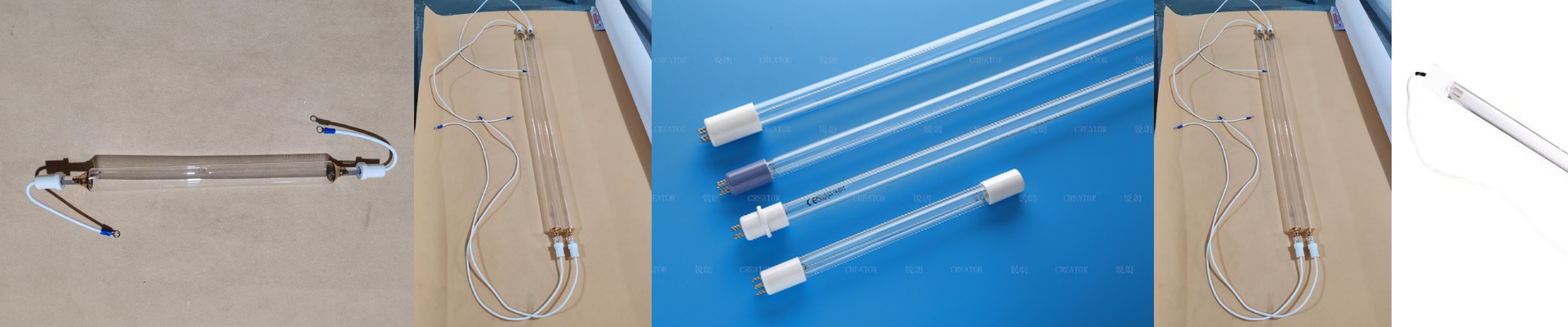
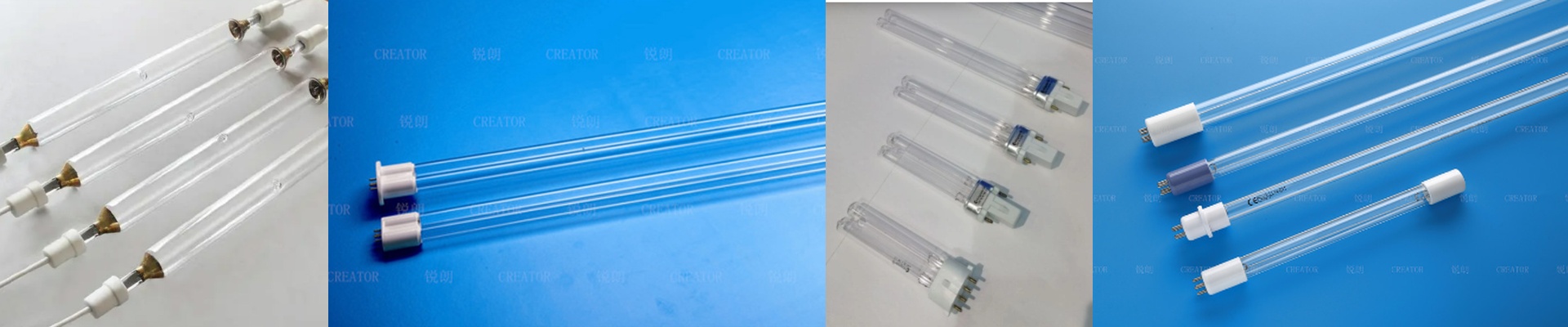
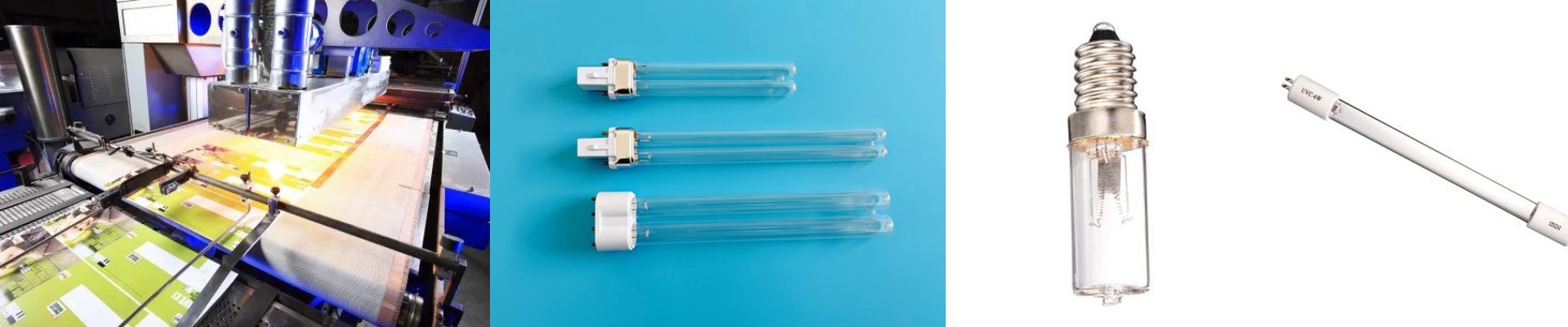
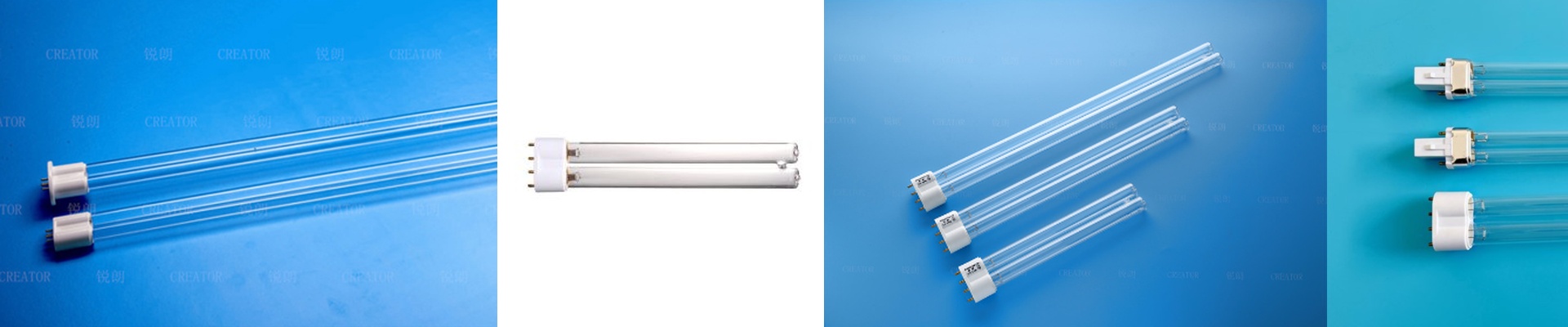
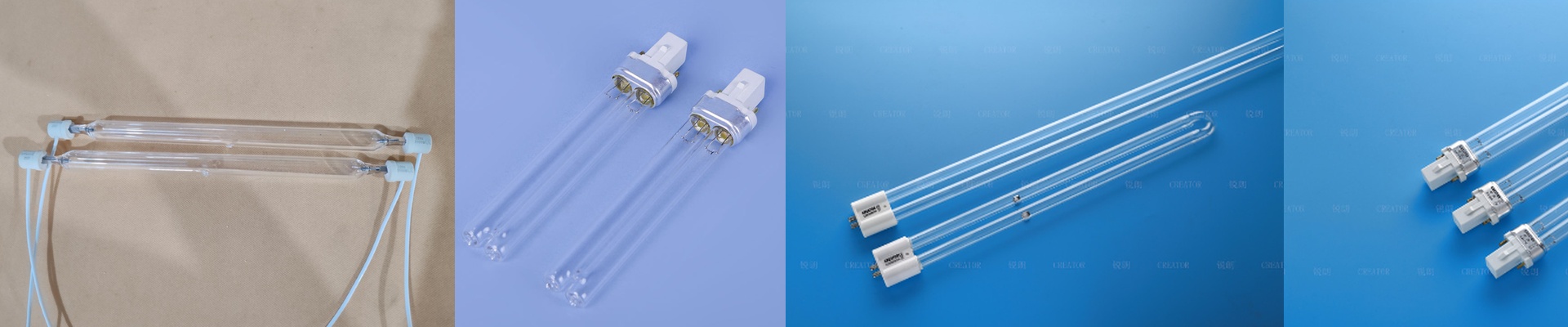
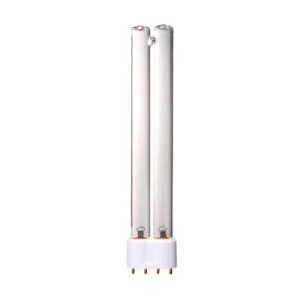
On the press floor, a missed cure isn’t just a defect—it’s scrap, rework, and downtime. When the job demands full speed without scorching thin stock or leaving residual tack, the lamp stops being “heat” and becomes a controllable photon source. So the real question is: how do you nail consistent photon energy, job after job? What actually matters under the hood The Western Quartz UV lamp is built around a stabilized mercury vapor discharge inside a high-purity quartz envelope, engineered to keep spectral output repeatable. In practice, that means stable peak irradiance at 365 nm, with selectable 385/405 nm profiles—so photoinitiator activation and cross-linking through the ink film stay predictable. You can expect curing energy density of 600–1200 mJ/cm² at typical web speeds, with peak irradiance of 8–12 W/cm² measured at the substrate plane. The dichroic-coated reflector focuses the output into a defined focal width, cutting wasted IR and keeping substrate temperature rise in check. We match the arc length and lamp body to common UV offset, flexo, and screen modules, so the photon delivery fits into what you already have. Why this works in real printing conditions In this business, “more power” is worthless if you can’t control it. This lamp gives you control by holding spectral output within tight tolerances, so the cure window repeats from run to run. The payoff is faster cycle rates, fewer rejects from under-cure or adhesion issues, and lower energy draw because the reflector and spectral profile target only what’s needed for polymerization. Longevity matters just as much. With stable output over 5,000+ hours and controlled degradation, you swap lamps less and keep the press running more. Here are the details that keep it running Installation has to line up with your socket, ignition method, and cooling direction. The lamp is ozone-free, but it still needs proper airflow and a clean reflector—dust on the reflector will measurably cut irradiance. If you’re running at the highest press speeds, confirm the power supply and shutter timing can keep up with the lamp’s ignition and warm-up profile. Match the spectral choice to your ink chemistry: 365 nm is still the workhorse for mercury-based inks, while 385–405 nm can improve depth in LED-compatible formulations.