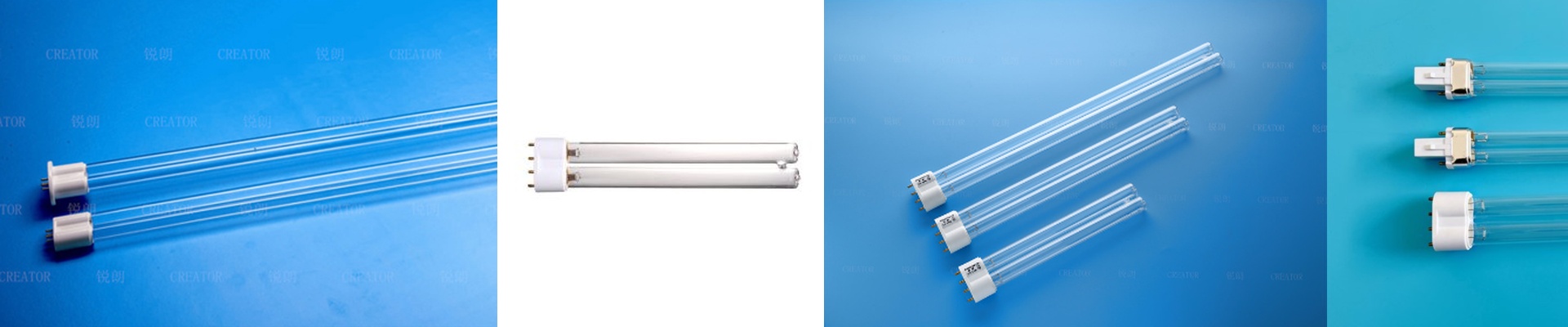
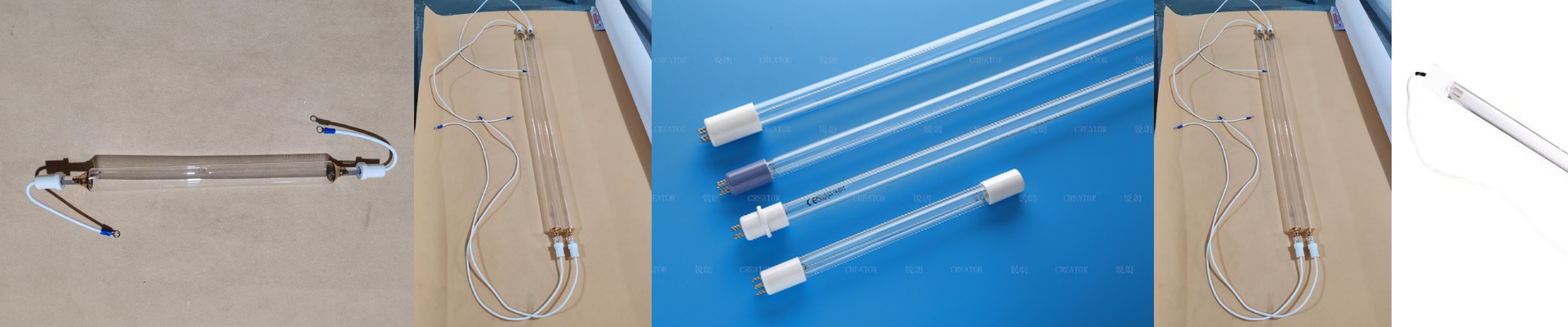
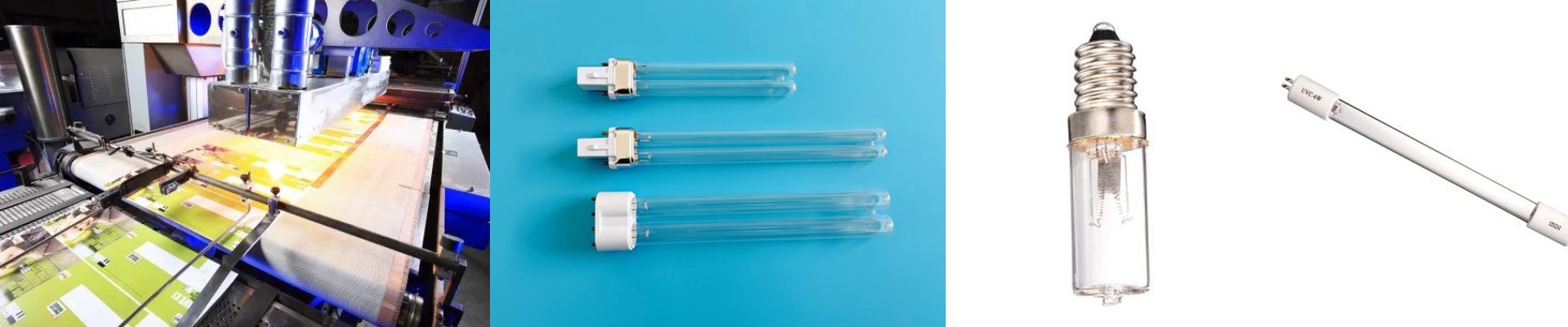
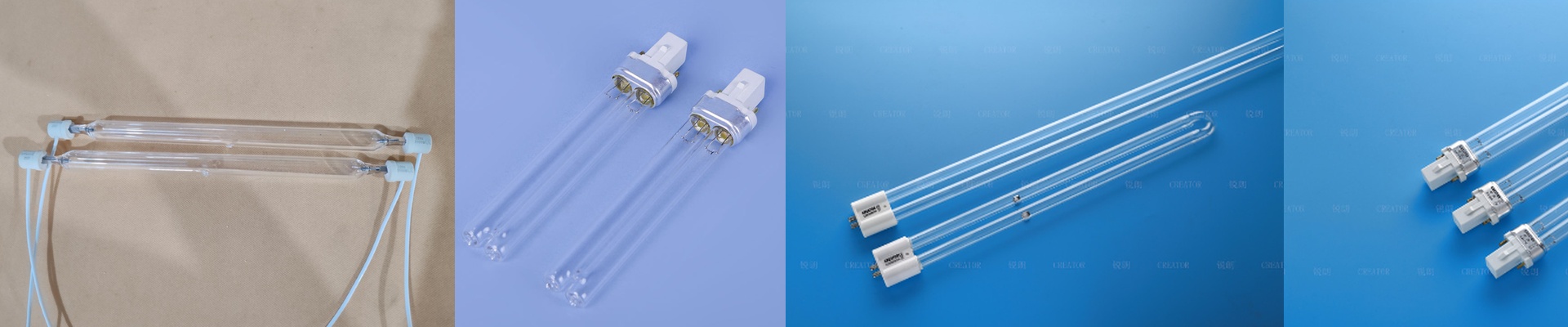
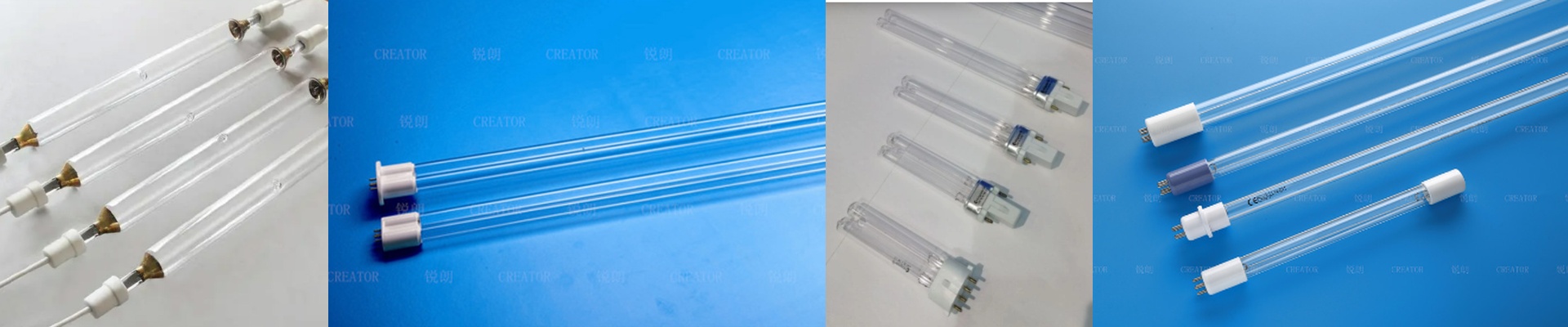
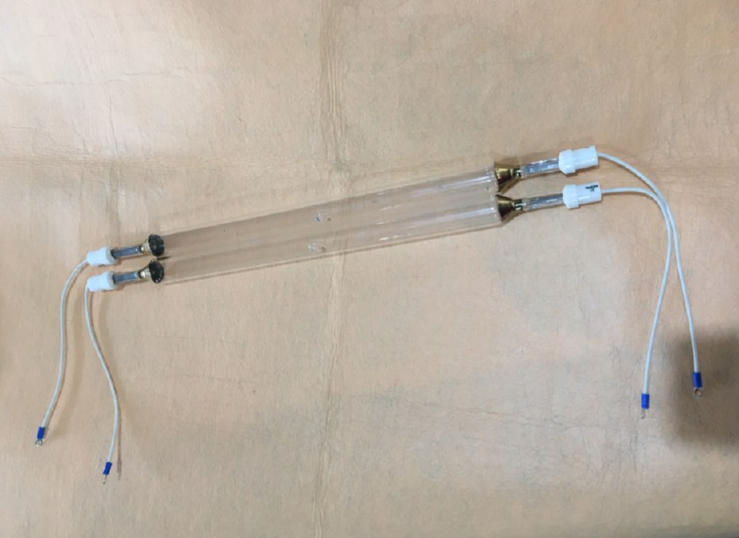
On the floor, UV curing has to be fast and repeatable, but safety comes first. Standard low-pressure mercury lamps throw out 185 nm, and that wavelength makes ozone. You end up with a respiratory hazard and an extraction bill you didn’t want. We built our fast-curing UVC lamps with ozone-free quartz glass. It shuts down the 185 nm line, while keeping the 254 nm output you need to kick off photopolymer cross-linking. What matters, technically The spectral cutoff comes down to high-purity synthetic quartz with controlled absorption at 185 nm. That gives you a true ozone-free profile without bleeding peak irradiance at 254 nm. Typical systems hit >80 mW/cm² at 10 mm working distance. Output stays stable for 5,000+ hours, with under 5% degradation. The lamp envelope handles continuous duty at 800 W/inch and drops right into standard mercury vapor ballasts and reflector setups. Reflectors use dichroic coatings to push UV reflectance up and IR heating down. That keeps substrate temperature in check, even on sensitive films. Why it plays in industrial printing and coating Cut out ozone and your ventilation design gets a lot simpler, and the compliance overhead shrinks with it. Operators can stand closer to the curing zone without needing respiratory protection, and maintenance crews stop fighting ozone-induced corrosion on nearby parts. The fast-curing response trims dwell time, so you can run higher line speeds on flexo and screen presses without giving up cure depth. Energy use stays steady, because the lamp holds consistent spectral output—no need to rely on ozone-generating wavelengths to get through-cure. Here are the gotchas Ozone-free quartz has a tighter transmission window, so reflector alignment and lamp-to-substrate distance have to be controlled to keep dose uniform. These lamps need ballasts matched to low-pressure mercury vapor electrical characteristics. Mismatched drivers shorten lamp life and nudge the spectral balance off center. Check fixture compatibility and keep reflectors clean. Dust and oxidation drop irradiance faster than lamp aging alone.