Better Lamps, Less Junk: Our Plan for 2026
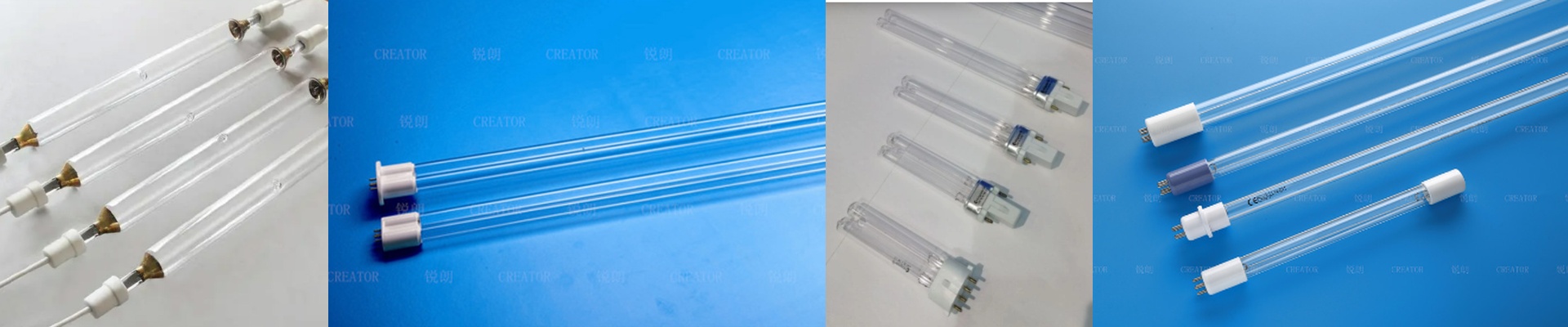
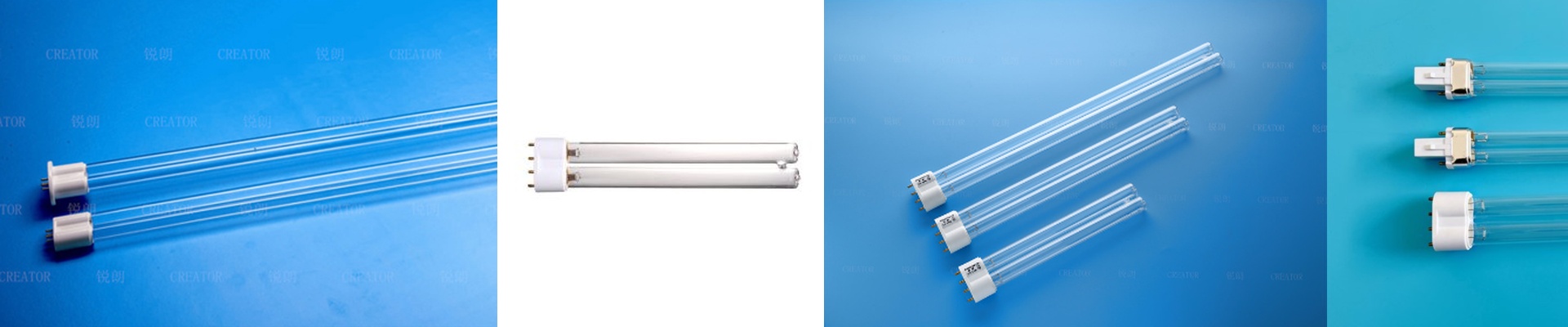
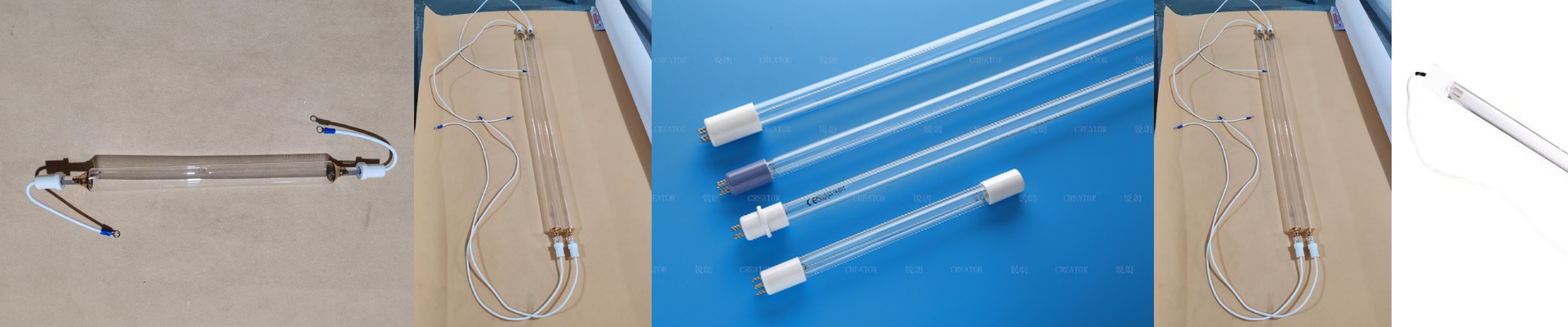
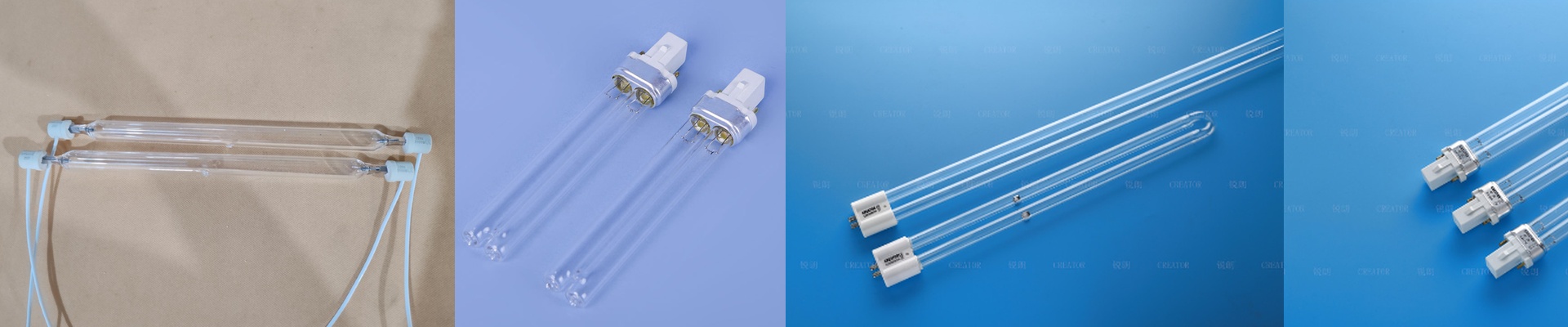
We’re changing how we make our high-pressure mercury lamps. The goal for 2026 is simple: stop the pollution. We’re stripping out the nasty additives and making these things last longer so you aren’t tossing them in the trash every few months.
How they actually work
Basically, we run an electric arc through vaporized mercury to get that UV radiation. To make sure the UV-C actually gets out, we use high-purity quartz for the glass. We’ve also tweaked the internal pressure. Why? Because it pushes the energy into that sweet spot between 254nm and 365nm. It means the light can actually punch through thick coatings or dense polymers instead of just bouncing off the surface.
Built to last (and be cleaner)
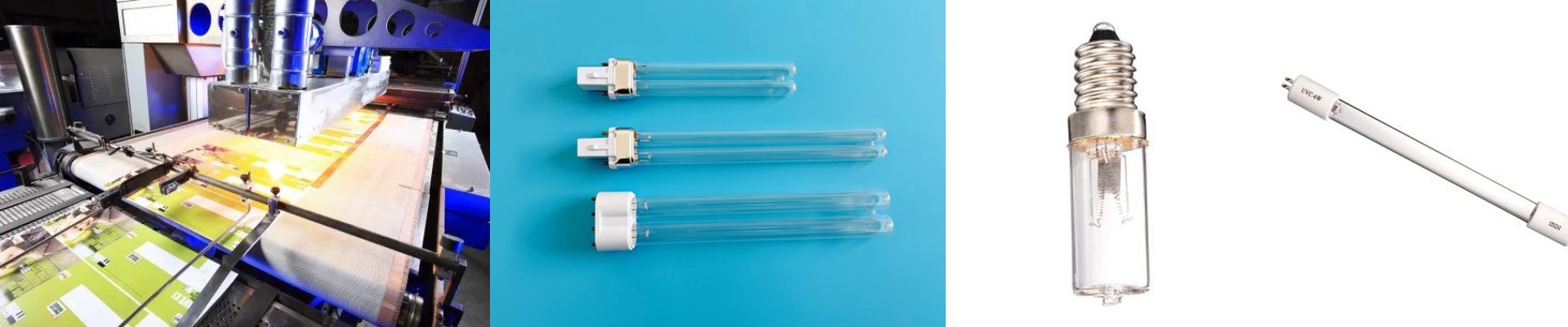
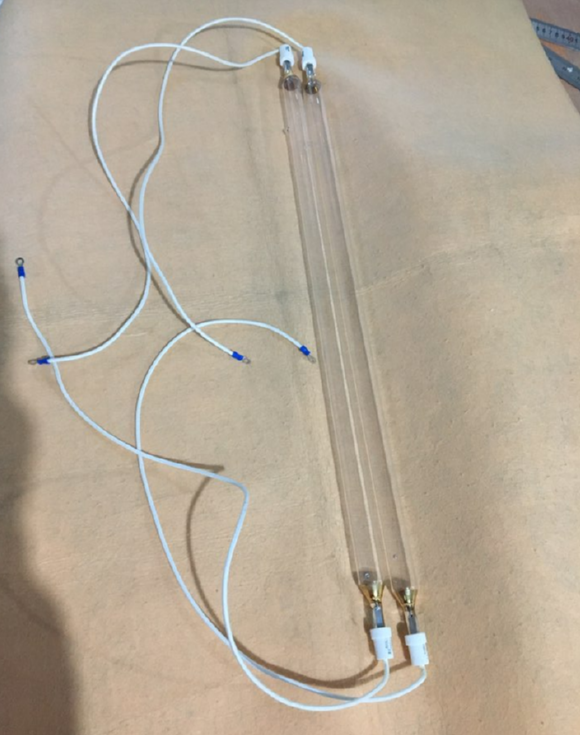
To hit our “zero-pollution” goal, we ditched the old ozone-generating fillers. They’re gone. In their place, we’ve put in eco-friendly stabilizers. We also beefed up the electrode assemblies. No one likes it when a lamp burns out right in the middle of a big run. Most of these are built to hit 10,000 hours before you notice the UV output dipping below 80%. And the best part? They use standard connectors. You just pop the old one out and drop the new one in. No need to mess around with your ballast or rewire your whole system.
The catch (and where to use them)
Look, these lamps are absolute beasts when it comes to intensity. If you’re doing fast-line curing or sterilization, this is exactly what you need. But here’s the thing: they runhot. Really hot. If you’re pushing the wattage, you can’t skimp on your cooling fans or heat sinks. If the air isn’t moving, the quartz glass will stress out and eventually crack. We designed these for the tough stuff—PET blowing and industrial coating lines. In those worlds, a few hours of downtime costs way more than the lamp itself. You get a steady UV footprint and you don’t have to climb a ladder to replace bulbs nearly as often.