Stop Guessing With Your UV Curing Lamps
Most UV curing setups are basically black boxes. You flip the switch, set a timer, and just pray that the intensity is actually where it needs to be. It’s a lot of guesswork. We wanted to fix that. So, we started building remote energy monitoring right into the lamp circuitry. Now, your hardware isn’t just a light bulb—it’s actually telling you what’s happening inside.
Why bother with energy monitoring?
Here is the reality: most UV lamps die because of overheating or voltage spikes that nobody notices until the whole production line grinds to a halt. That’s a nightmare. By tucking sensors inside to track power draw in real-time, you can see a lamp starting to fade before it actually burns out. We keep an eye on the wattage. If the power dips below a certain point, the system gives you a heads-up that the lamp is degrading. No more surprises.
The messy part: Hardware and Trade-offs
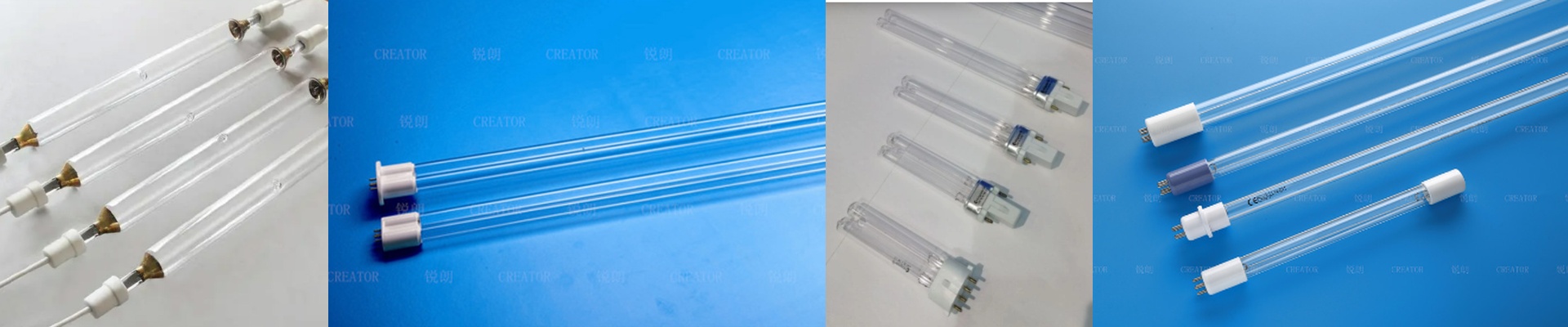
Now, you can’t just slap a sensor onto a quartz tube and call it a day. That doesn’t work. Plus, adding more gear means the lamp housing gets a bit bigger. To keep the UV light clear and unobstructed, we hide the monitoring chips inside the ballast or the connector housing. But there’s a catch. More sensors mean more things that could potentially break. UV environments are noisy—electrically speaking—and that interference can fry cheap electronics. To stop that from happening, we use industrial-grade capacitors and shielded wiring. It’s built to take a beating.
What this actually does for your shop floor
The best part? You can stop playing the guessing game with your maintenance. Most people follow a strict calendar for swapping lamps. The problem is, you often toss a perfectly good lamp that still had 20% of its life left. That’s just wasting money. With this setup, you replace lamps based on real data. You can plug these into your existing PLC or a cloud dashboard and see exactly how many kilowatt-hours each station is using. If you notice the power draw is off, it might mean your conveyor speed is out of sync with the curing intensity. You can tweak the line, lower your power bill, and still be 100% sure your product is cured. It just makes life easier.