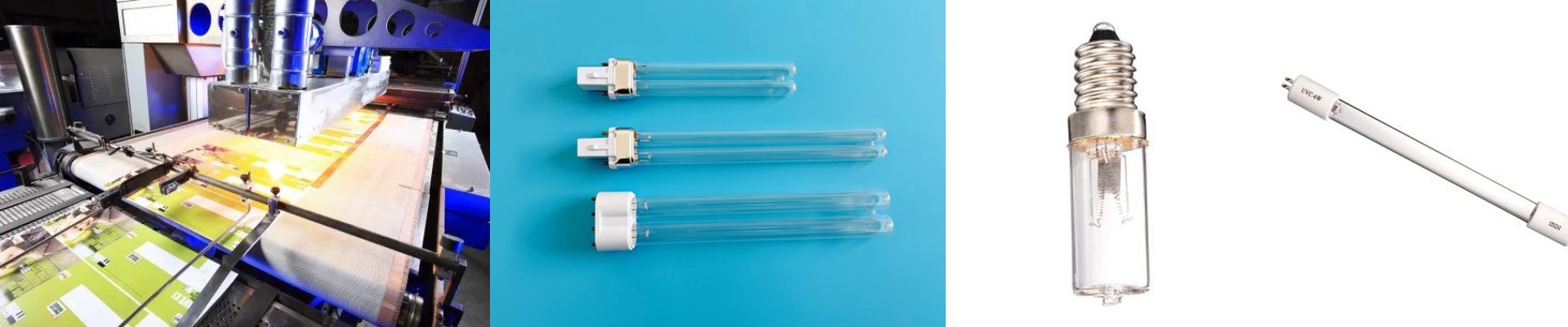
Let’s Talk About Long-Life Mercury UV Tubes
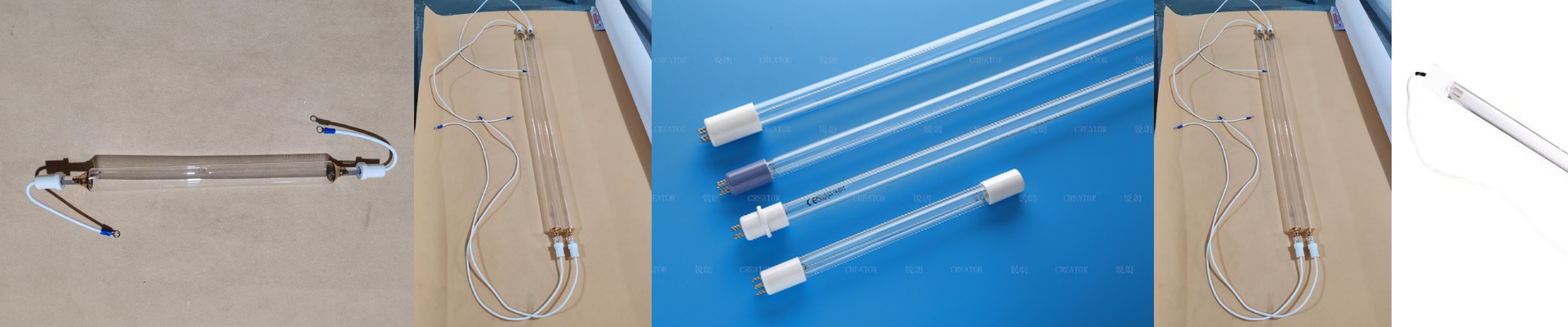
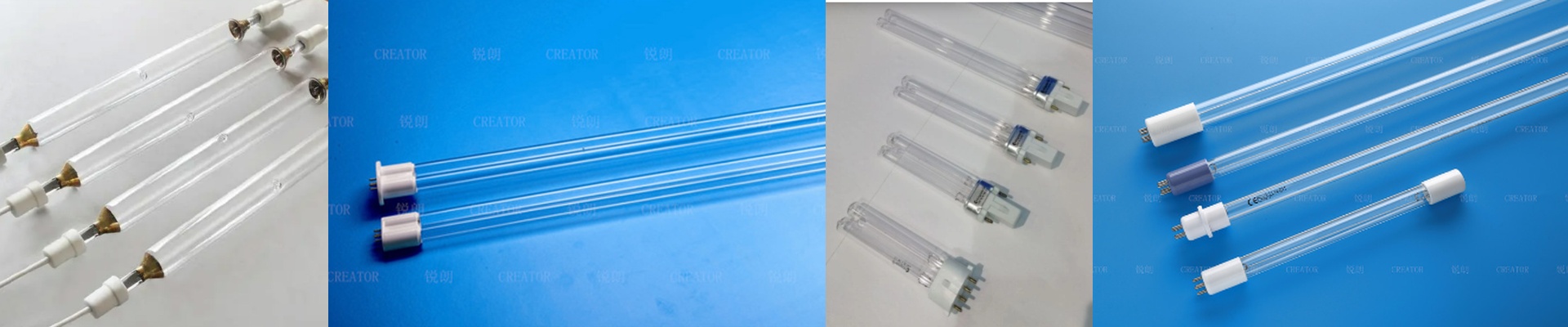
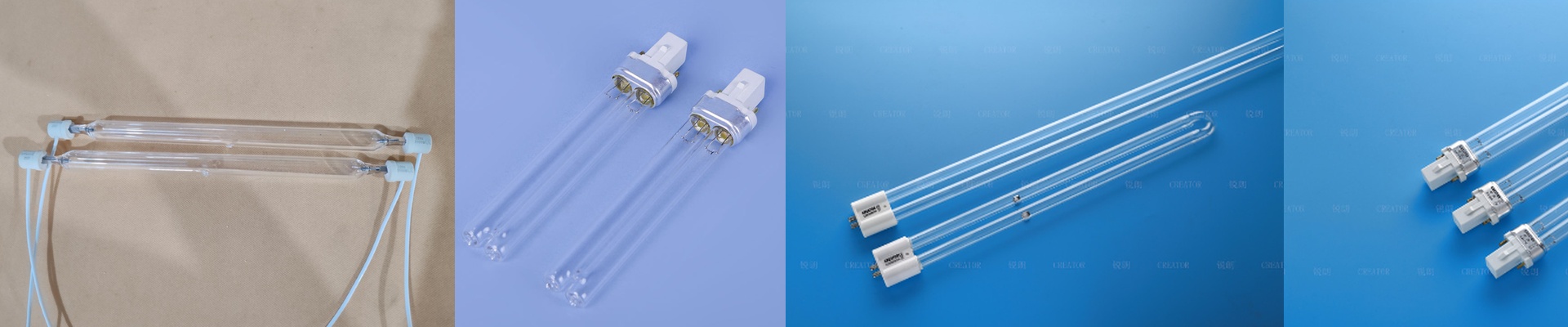
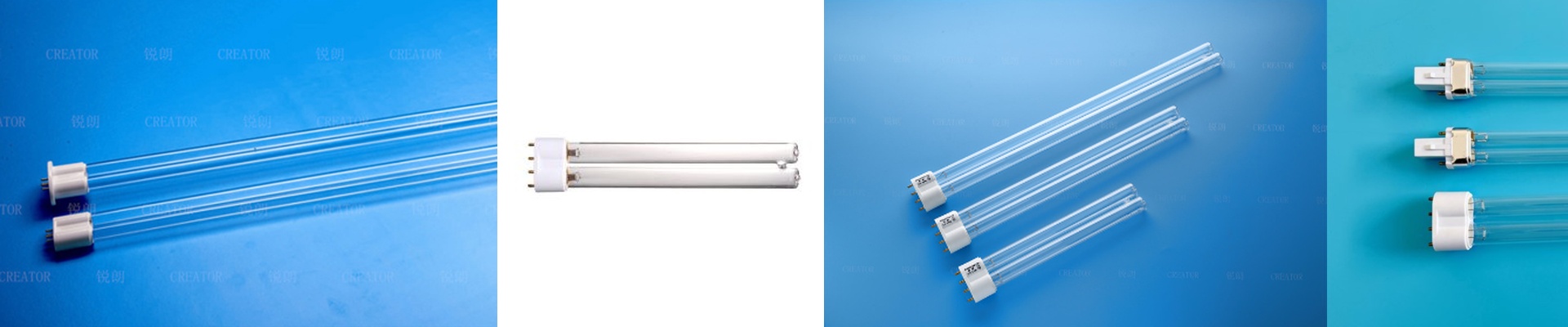
Here is how these things actually work: we excite mercury vapor to create short-wave UV radiation. In the world of textile printing, that energy is what does the heavy lifting. It hits the ink and triggers a reaction that turns liquid resins into solid polymers—basically instantly. We build these tubes specifically for high-volume print lines, where the constant heating and cooling would chew up a cheaper lamp in no time.
The Science (Without the Boring Part)
It all starts with a very precise mercury-vapor fill. Once you hook it up to the ballast, the arc discharge creates a concentrated UV spectrum. We focus on the 254nm and 365nm peaks. Why? Because you need the ink to cure all the way through, not just “skin over” on the surface. To make sure these last, we use high-purity fused quartz. If you use cheap glass, it “solarizes”—it gets cloudy over time. When that happens, your UV output tanks. Our quartz keeps things clear.
Dealing with the Heat
Here’s the thing: these lamps runhot. Really hot. If your cooling fans aren’t up to the task, your electrodes are going to burn out way too soon. We’ve spent a lot of time tweaking the electrode geometry to stop “sputtering.” That keeps the ends of the tube clean and ensures your current stays steady.
Making it Work in Your Shop
In a real print shop, the only thing that actually matters is consistency. If your UV intensity dips, you get “under-curing.” That’s when the ink smudges or, even worse, peels right off the fabric. It’s a nightmare. Our tubes provide a stable profile across the whole length of the lamp. Whether the fabric is on the far left or the far right of the conveyor, it gets the exact same dose of UV. One quick tip: pumping up the wattage will definitely speed up your cure time, but it puts a lot more stress on your power supply. You’ve got to find that sweet spot between your line speed and the heat output so you don’t accidentally scorch the fabric.