Getting Your IR Lamps to Actually Talk to Your Packaging
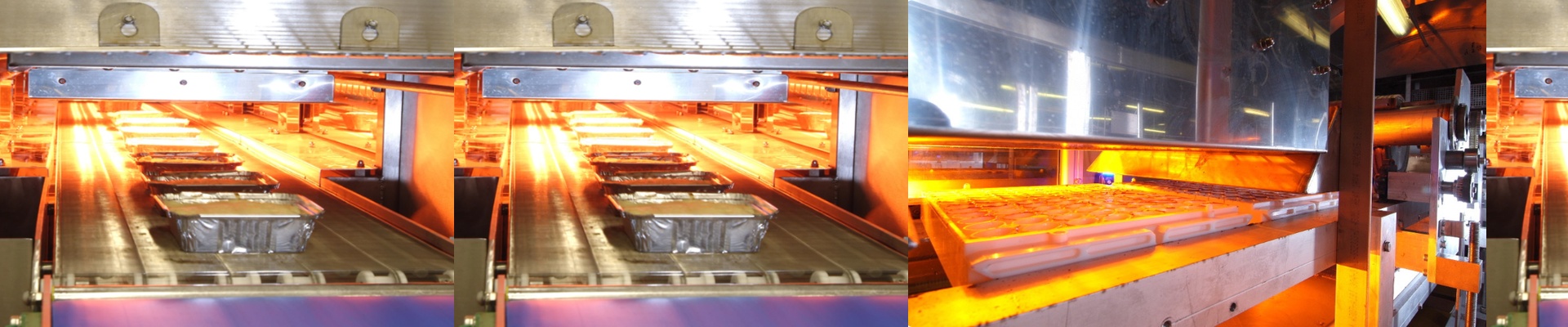
Ever feel like you’re cranking up the heat on your production line, but the glue just isn’t sticking? It happens all the time. Most standard IR lamps are just blasting energy into the void. If your lamp is emitting at 2.0 microns, but your specific adhesive only “listens” at 3.4 microns, that heat isn’t doing anything. It’s either bouncing right off the material or passing straight through it. It’s a waste of power. And it’s frustrating. We fix this by tuning the lamp to match the actual molecular vibration of your film or glue.
It’s not about more power
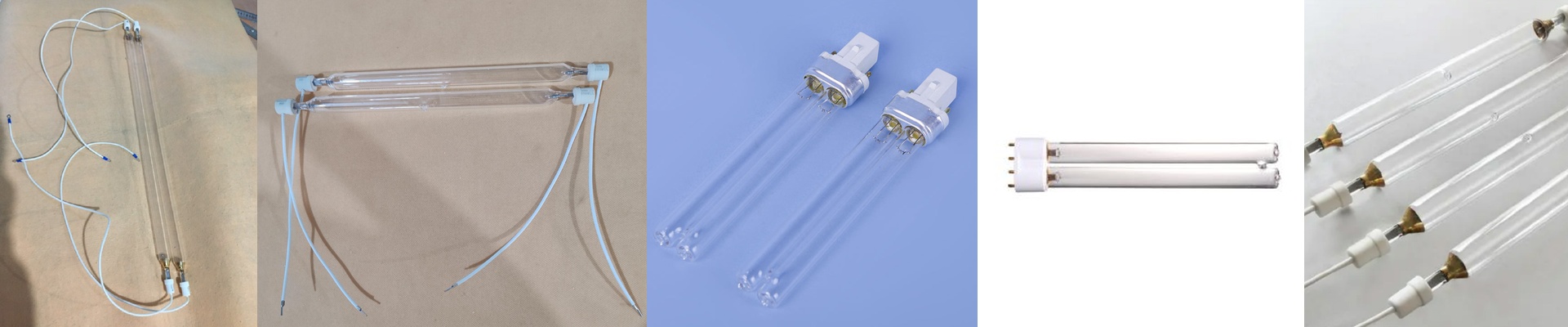
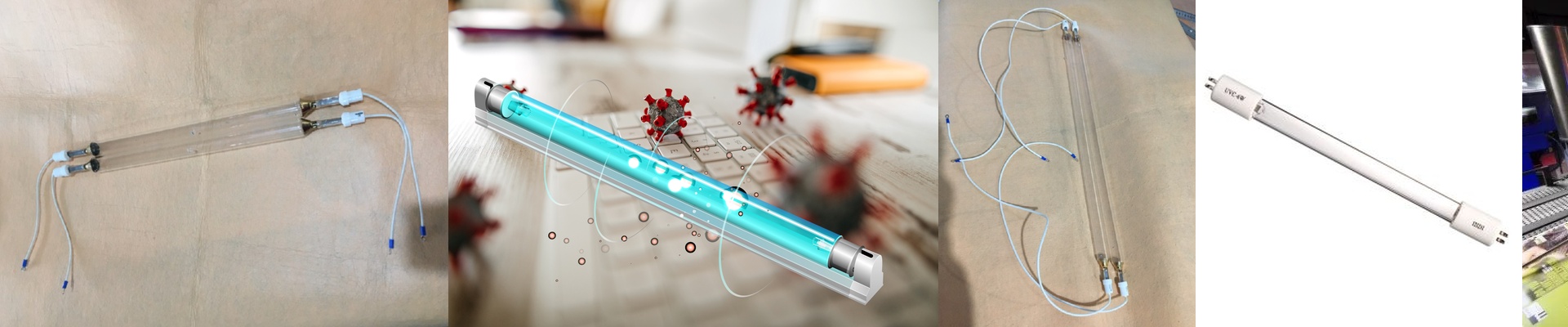
The instinct is usually to just buy a bigger, hotter lamp. But that’s a mistake. Instead of just adding wattage, we mess with the filament and the quartz coatings. We shift the emission curve so it hits that sweet spot. Think of it like a radio. If you’re tuned to the wrong station, you just get static. We tune the lamp to the exact frequency your glue needs. The result? You get deeper heat penetration and faster curing. Best of all, you aren’t scorching the surface of your film just to get the bond to set. You’re heating the bond, not the air around it.
The trade-off
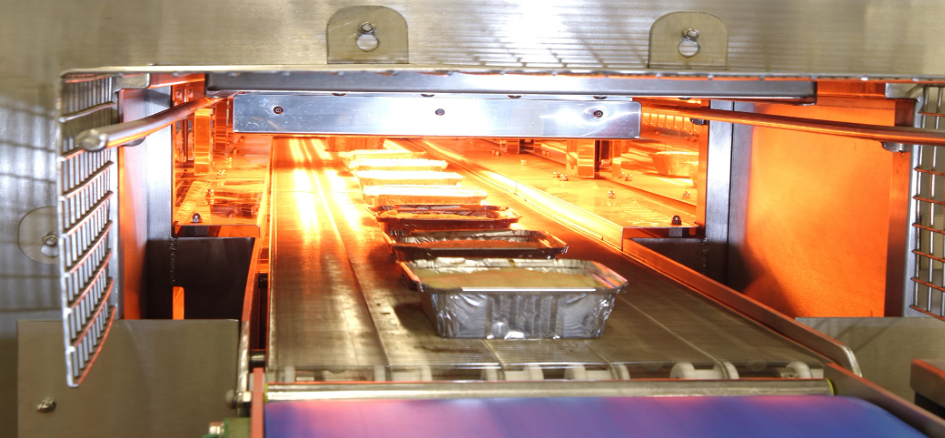
Now, there is a catch. When you tune a lamp to be this precise, you lose some of that broad, raw power you get from a basic halogen tube. You might notice the overall radiant flux is a bit lower. To keep your line moving at the same speed, you might need to add a few more lamps to your array or move them a little closer to the conveyor. It’s a small tweak for a lot more control.
How we actually do it
We don’t guess. We start with your material’s FTIR data—basically the “fingerprint” of your packaging. Once we see where those absorption peaks are, we build a lamp that matches them. It’s a drop-in replacement that goes straight to work on the bond line. No more fighting with cooling fans to keep the plastic from melting. No more annoying “bubbles” where the outer layer overheats while the glue underneath stays tacky. Just a clean, solid seal.