Why Shortwave IR Actually Works for Composite Can Lids
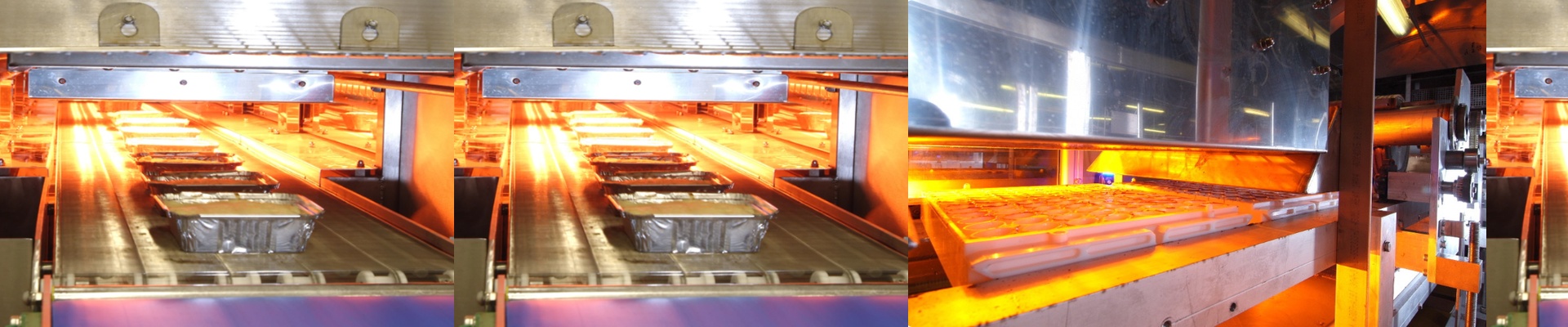
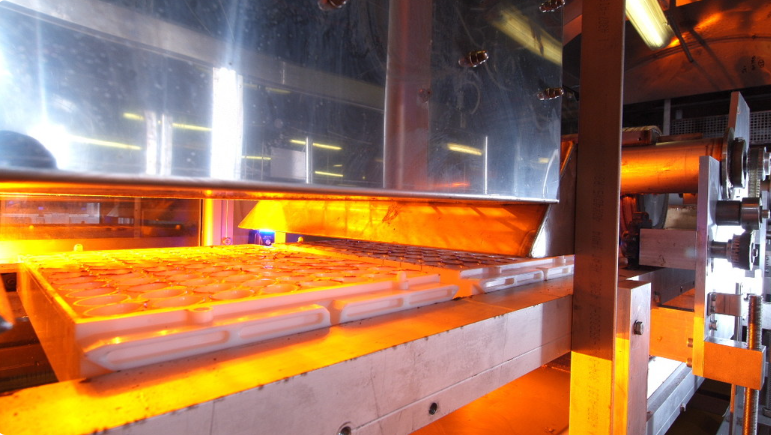
If you’ve ever had a composite lid peel or pop during a drop test, you know how frustrating it is. You’re aiming for a perfect, airtight seal, but standard resistive heating usually lets you down. Why? Because it relies on conduction. It’s slow, it’s uneven, and it mostly just warms up the surface. That’s where shortwave infrared (SWIR) comes in. Getting the heat where it matters Think of it this way: instead of just scorching the top layer, shortwave IR reaches deep into the composite. It hits the polymer molecules directly, making them vibrate and melt almost instantly. You don’t just get a “sticky” surface. You get a uniform melt pool across the whole seal. It’s the difference between using a glue stick on the edges and actually fusing the materials together. Stopping those annoying “cold spots” Most bond failures happen because of cold spots—those tiny gaps in the seal where the heat didn’t quite make it. They’re invisible until the can hits the floor during shipping. SWIR fixes this by hitting the target temperature in milliseconds. The adhesive layer fully wets the substrate before things start to cool down. The result? A lid that actually stays put, even when the cans take a beating in the warehouse. The catch (because there’s always one) You can’t just swap out your heater and call it a day. SWIR packs a massive amount of heat into a tiny space. If your conveyor speed is slightly off or your sensors are lagging by a fraction of a second, you’ll burn right through the film. It’s powerful stuff. You also need a cooling system that can quench the seal the moment the IR hit is over to lock everything in place. We’ve seen that when you get this right—mixing SWIR into the sterilization and sealing phase—cycle times drop and those dreaded impact test failures mostly disappear. It’s all about getting the heat into the material, not just dancing around the edges.