Getting the Heat Just Right for Can Pull-Tabs
Curing the anti-corrosion coating on a can’s pull-tab is a bit of a balancing act. You’re working with a tiny window of temperature. Go too hot? You’ll scorch the coating or warp the aluminum. Go too cold? The coating won’t stick, and you’ll end up with cans rusting in the wild. Neither is a great look.
How we handle the heat
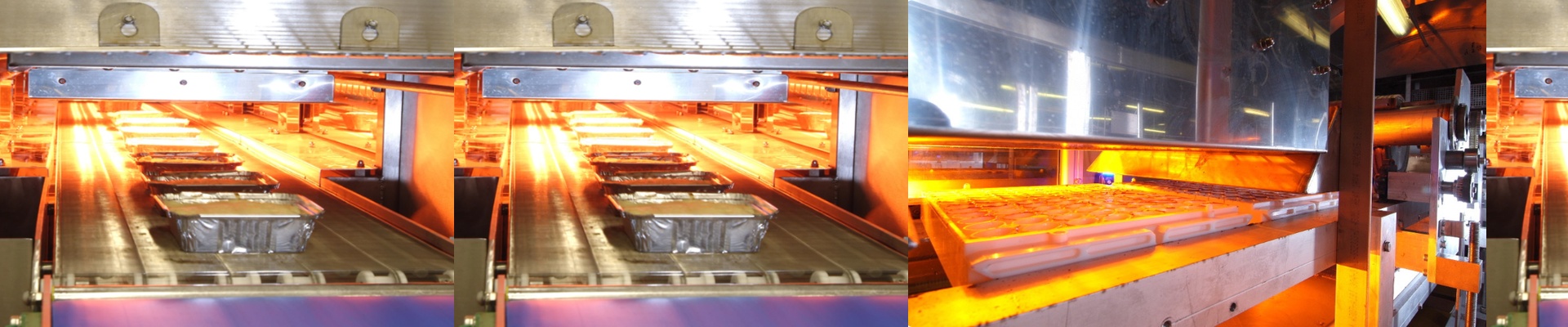
Instead of tossing the whole can into a massive convection oven, we use short-wave infrared (SWIR) modules. Think of it like a laser instead of a space heater. We can focus the energy on a spot just a few millimeters wide. By tweaking the wattage and the focal length, the heat hits exactly where the coating is. It happens in milliseconds. The coating cures, but the rest of the can stays cool.
The nuts and bolts
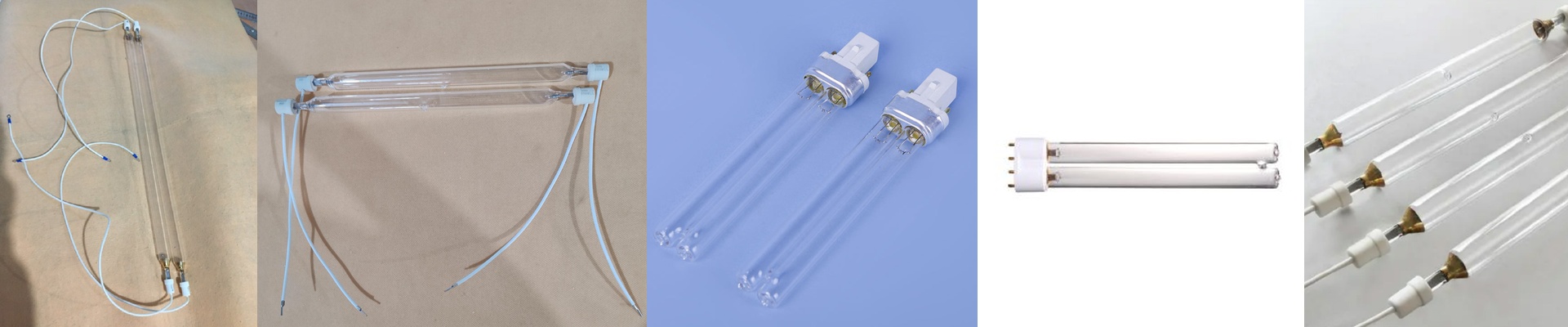
We use high-density quartz halogen elements because they ramp up fast. When your packaging line is flying, you can’t afford to wait for a heater to warm up. To keep things precise, we pair them with PID controllers and thermocouples that react instantly. One heads-up: these modules pack a lot of punch in a small space. They get hot. You’ll want to make sure your housing has good venting or a water-cooling system, otherwise, you’re looking at fried electronics during a long 24/7 run.
Making it work better
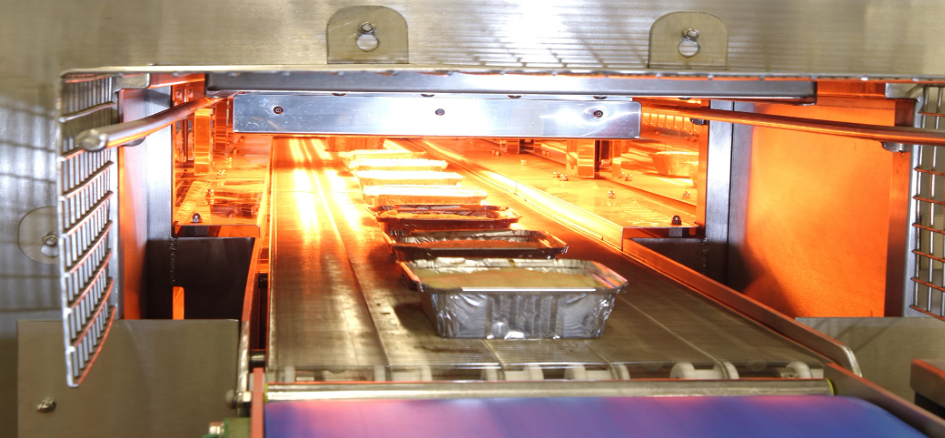
We’ve found a neat trick: using gold-coated reflective plates behind the modules. It bounces the energy forward onto the pull-tab instead of letting it leak out the back. It’s a win-win. You save on power and your machine frame doesn’t turn into a radiator. Plus, you can just plug these modules right into your existing PLC loop to make adjustments on the fly. The best part? You can finally ditch those bulky curing tunnels. You’re swapping a giant piece of equipment for a compact, drop-in setup that actually fits in your line.