Stop the Bloat: Getting Your Lid Heating Right
If you’re seeing bloated cans, you’ve probably already guessed the culprit: a bad seal. It usually happens because the gaskets aren’t softening up enough before the capping head slams down. A lot of guys try to fix this by just cranking the power on their infrared lamps. But that’s a trap. All you’re doing is creating “hot spots.” You end up with some lids that are practically scorched and others that are barely lukewarm.
It’s All About the Spread
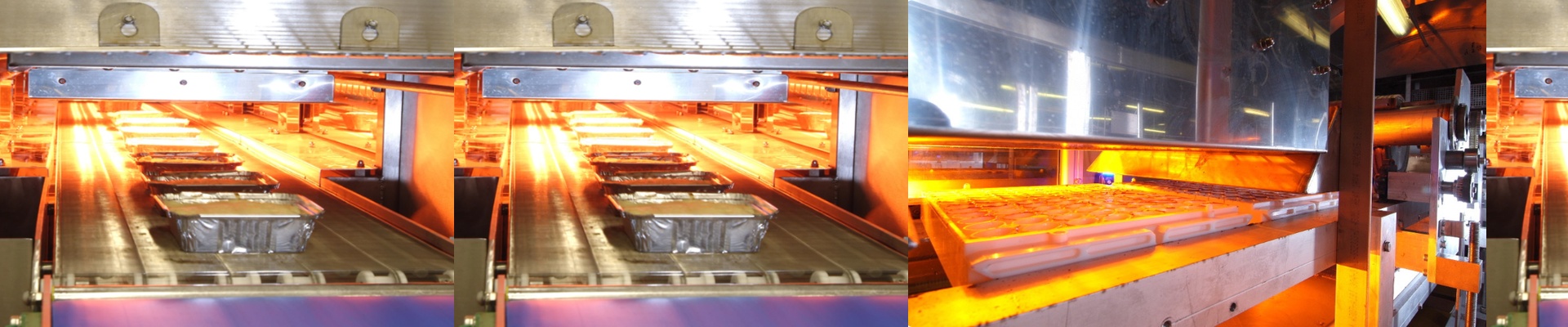
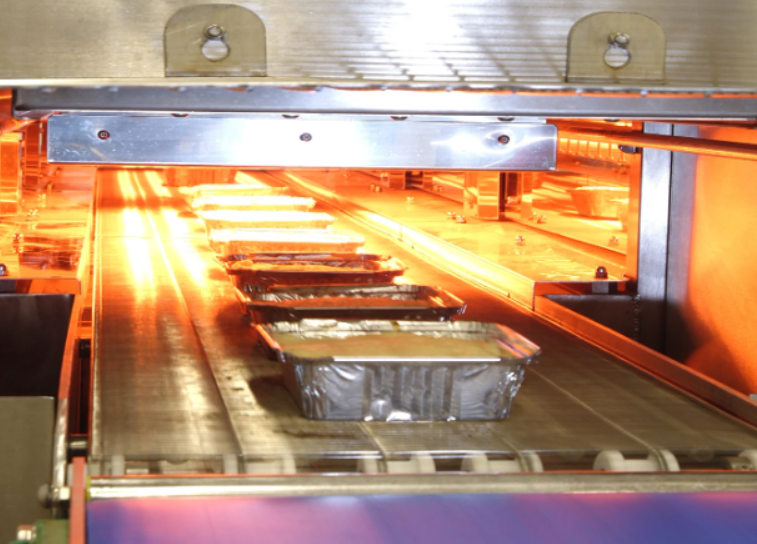
To get a seal that actually holds, the heat has to be the same across the entire lid. We use short-wave infrared emitters because they punch through the gasket material fast. The trick is hitting that sweet spot where the sealant softens, but the lid coating doesn’t burn. When the heat is patchy, the gasket softens in some places and stays stiff in others. That leaves tiny micro-gaps when the lid is pressed down. Bacteria sneak in, the food spoils, and the can puffs up. You don’t need more heat. You just need it to be even.
Setting Things Up
We build these systems to keep a very tight thermal profile. By playing with the distance between the lamp and the lid—and using the right reflectors—we can flatten out that heat curve. You also have to balance your wattage with how fast your line is moving. If you blast the lamps just to keep up with a fast conveyor, you’re going to burn out your filaments way too soon. It’s much better to match the wattage to your actual cycle time. Your quartz glass will thank you.
Real Talk from the Shop Floor
Look, no system is just “plug-and-play.” You’ll have to tweak the lamp height based on what you’re actually canning. Aluminum reflects heat differently than tin-plated steel, so you can’t just use a default setting. One more thing: these high-density IR arrays gethot. Really hot. If your cooling fans aren’t beefy enough to handle the total wattage, your control electronics will start to drift. Then your temperature settings start wandering, and you’re right back where you started with inconsistent seals.