Stop Letting Steam and Dust Kill Your IR Emitters
Let’s be honest: food packaging lines are a nightmare for heating elements. You’ve got clouds of steam on one side and fine dust on the other. It’s a brutal mix. And we all know the feeling when an IR emitter shorts out because of a little moisture ingress. Everything stops. The line goes dead. Suddenly, you’re staring at a mountain of unsold product and a ticking clock. We got tired of seeing that happen, so we built our lamps to actually survive the chaos.
Dealing with the Damp
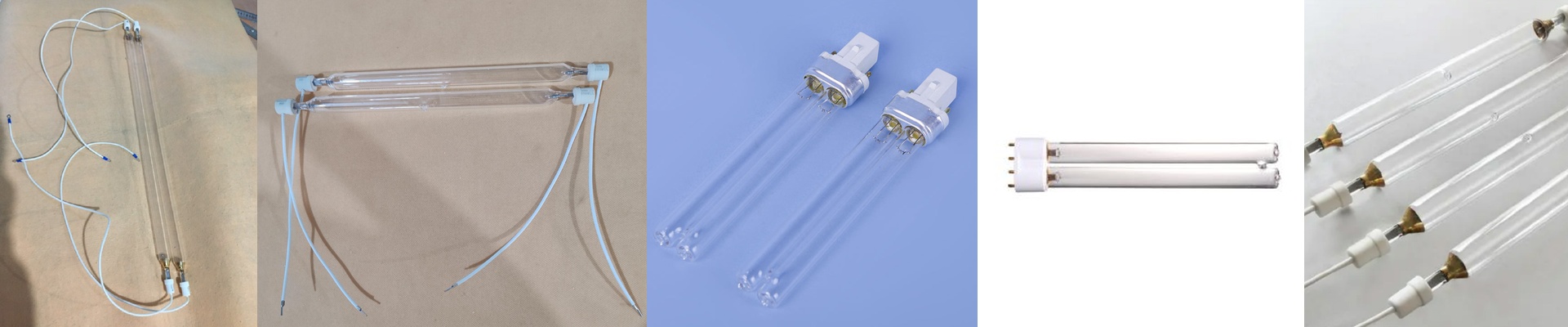
Here is the problem with standard quartz tubes: steam loves to condense on the glass. When that happens, you get thermal shock, and the glass cracks. Simple as that. To fix this, we changed how we handle the sealing at the lead-in wires. We basically lock the moisture out so it never reaches the filament. This keeps the inside of the lamp stable, no matter how humid it gets outside. But it’s not just about the seal. We also obsess over the wattage-to-length ratio. If you cram too much power into a short tube, you’ll cook your sockets. We balance the voltage and wattage carefully so the heat stays where it belongs—on the product, not melting your hardware.
No-Fuss Hardware
We use industrial-grade connectors because loose fits are a disaster in humid air. That’s how you get arcing. Our goal was to make these “set it and forget it” components. You plug them in, they stay tight, and you stop worrying about them. Plus, we kept the footprint standard. You can just drop these into most sterile packaging frames. No need to pull out the toolbox and re-engineer your mounting brackets. It just fits.
The Honest Truth About Heat
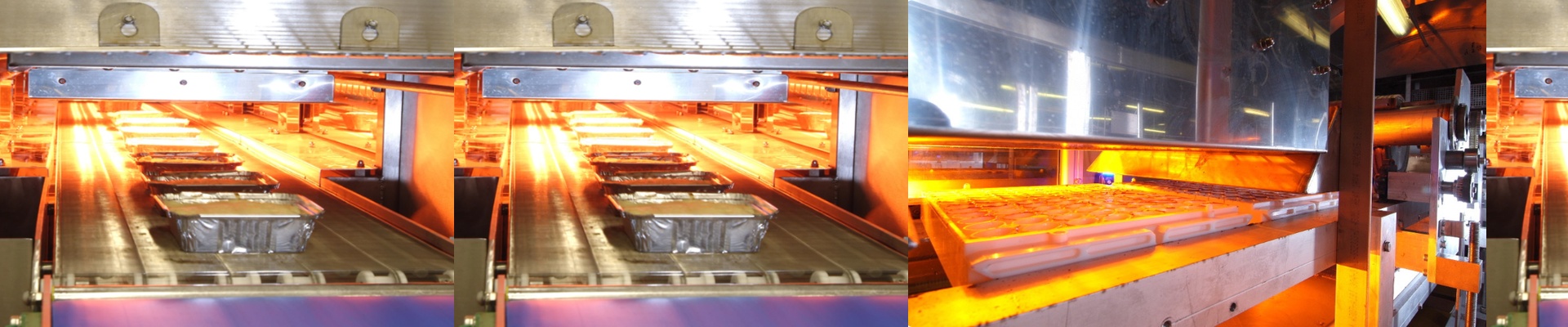
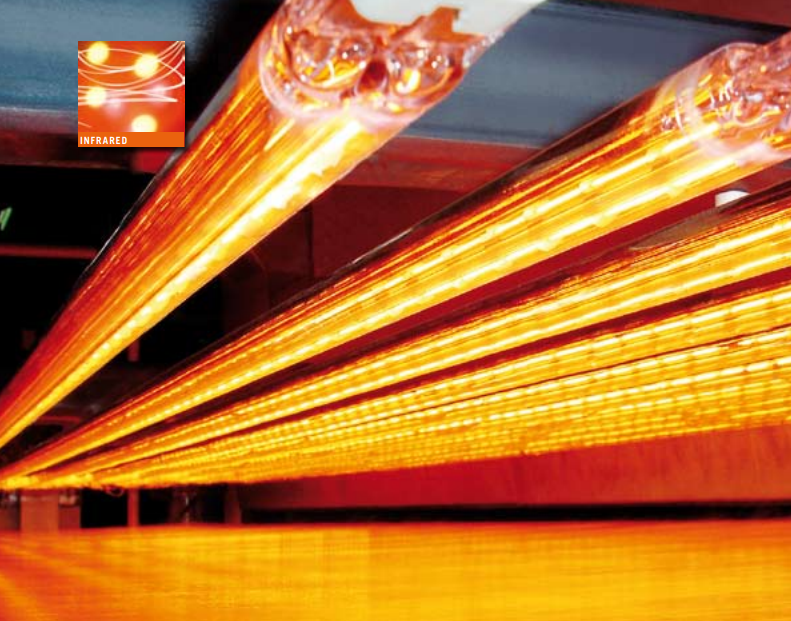
Now, a quick heads-up. High-output lamps put out a ton of localized heat. You need that intensity to get a fast, clean seal, but it puts a real strain on your ventilation. If your airflow isn’t pulling that heat away from the ends of the lamp, your connectors are going to degrade. It’s just physics. Make sure your cooling fans are actually doing their job. Keep them running at full capacity, and your electrical terminals won’t suffer from heat soak. It’s a small detail, but it’s the difference between a lamp that lasts and one that burns out way too soon.