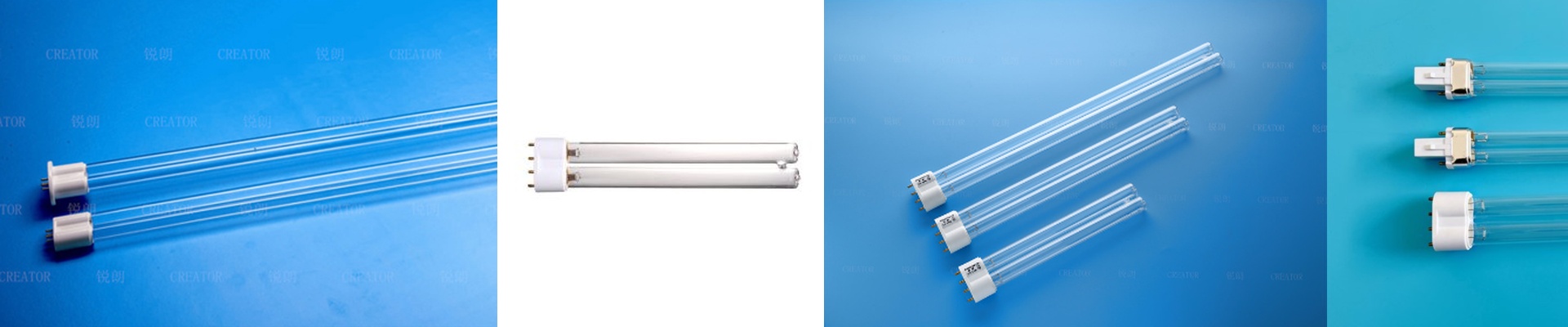
Let’s Talk About UV Sterilization That Actually Works
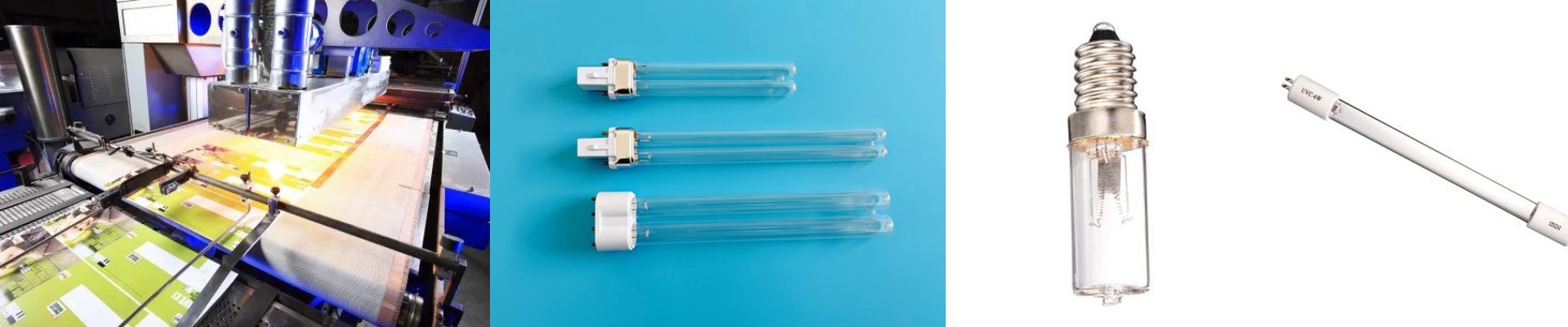
Look, we aren’t just here to sell you a few UV lamps and call it a day. That’s not how this works. We’re more like your technical partners. We want to help you map out your printing and curing lines so you can move more product through the door without your power bill skyrocketing.
The actual physics of it
Here is the thing about UV output: it’s a balancing act. You’re trying to turn electrical energy into UVC photons, but you can’t just crank the wattage and hope for the best. If you jam too much power into a small space, things get hot. Fast. You’ll end up scorching your materials or, worse, frying your lamps way before they should be dead. It’s all about the rhythm. Your lamp output has to dance perfectly with your conveyor speed. If they aren’t in sync, you’re just wasting money.
The nuts and bolts
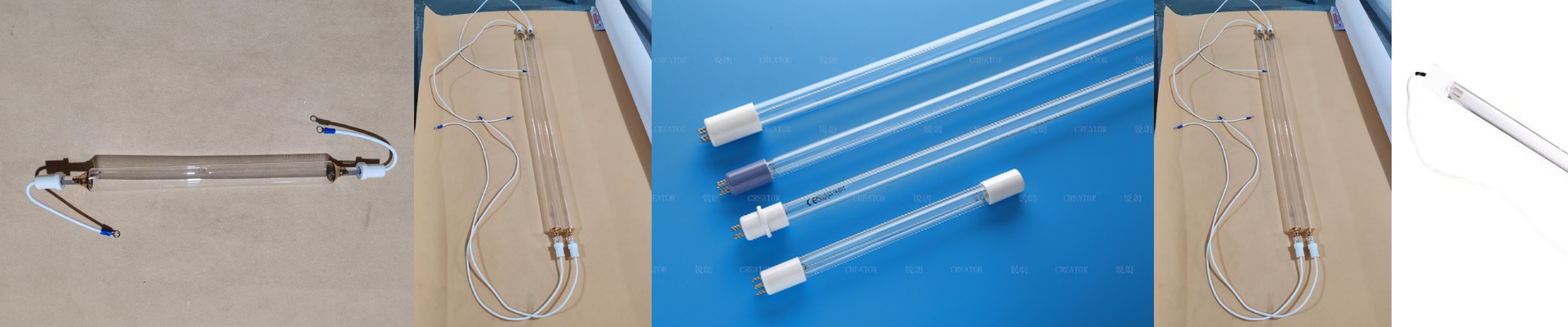
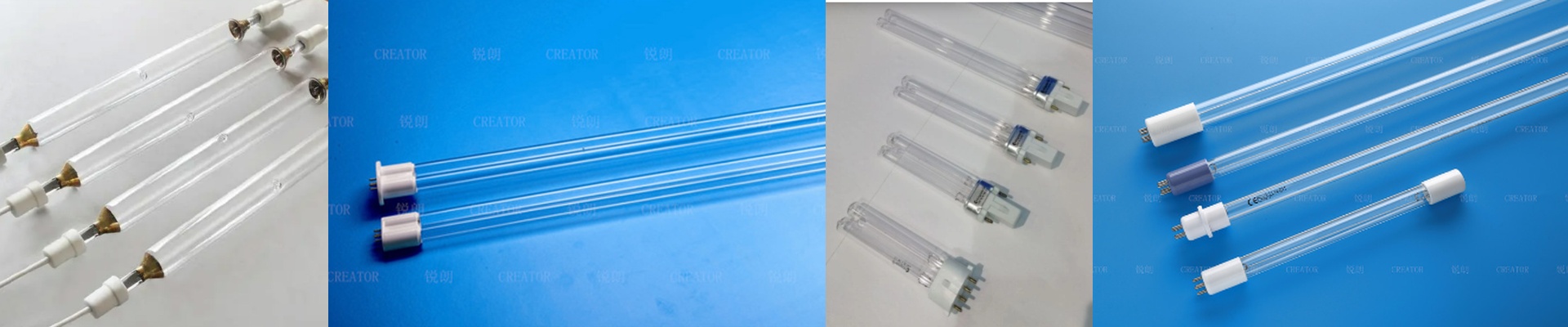
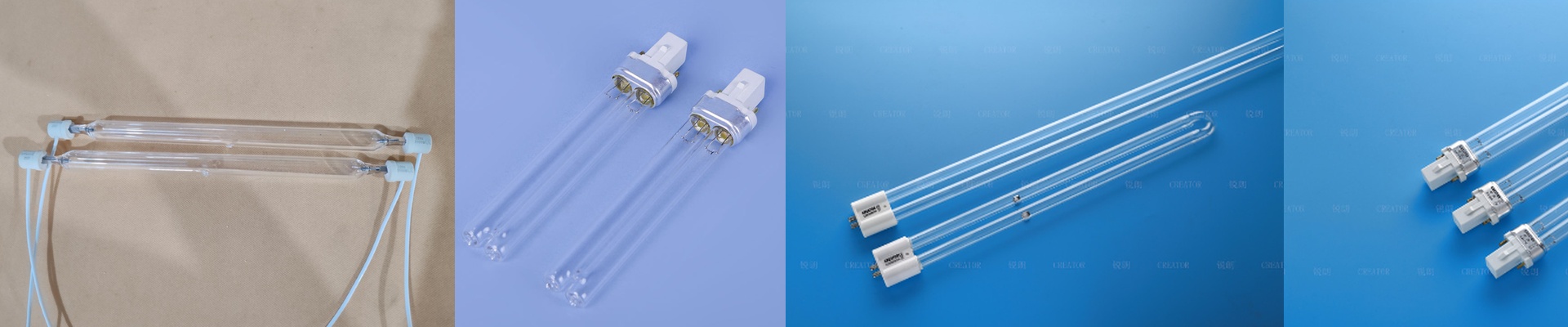
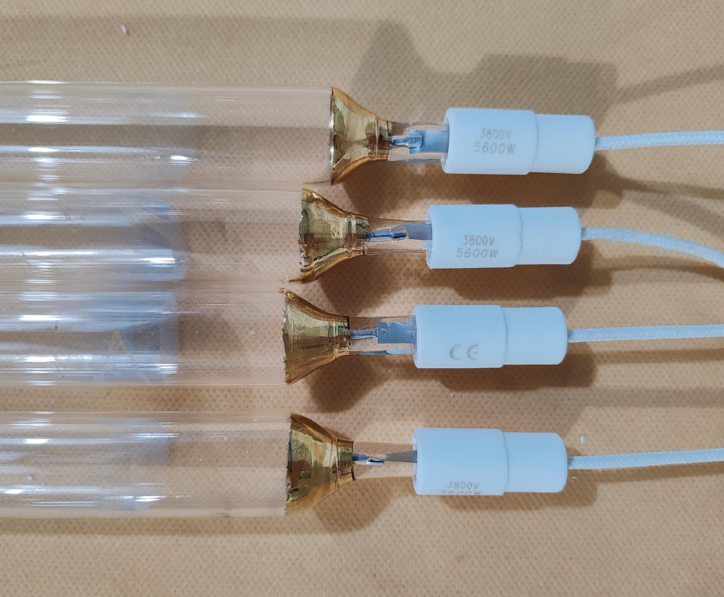
The small stuff matters. Like the quartz sleeve and the reflector. If you use cheap glass, the glass absorbs the energy instead of letting it hit the target. We use high-transmittance quartz because we want that energy moving forward, not getting trapped. And please, don’t mess around with the wiring. We use standard connectors so you can just drop a replacement in and get back to work. Why? Because a loose connector creates resistance. Resistance creates heat. And heat is what kills your lamps. We make sure the wiring is beefy enough to handle the load so you don’t get that annoying flicker in the arc.
Real-world trade-offs
In the real world, you’re trying to cure ink or sterilize a surface without warping the material into a pretzel. Sure, a high-intensity system lets you speed up your line. That sounds great. But there’s a catch: the heat. If you go high-output, you need cooling fans or water-chilled jackets that can actually keep up. If you skimp on the cooling, your lamp life can tank by 30% or more. That’s a lot of expensive tubes heading for the trash. We’ll help you do the math on your cooling capacity now, so you aren’t blowing your budget on replacements every few months.