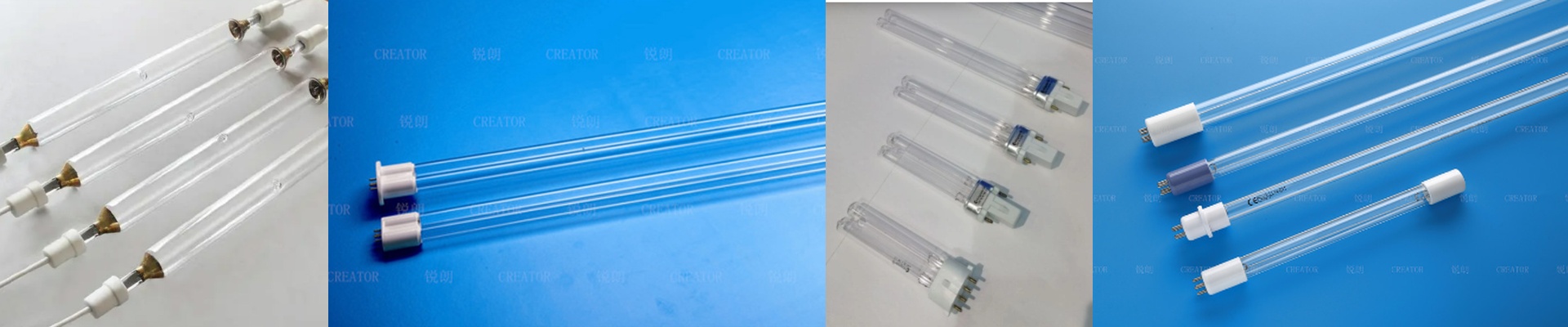
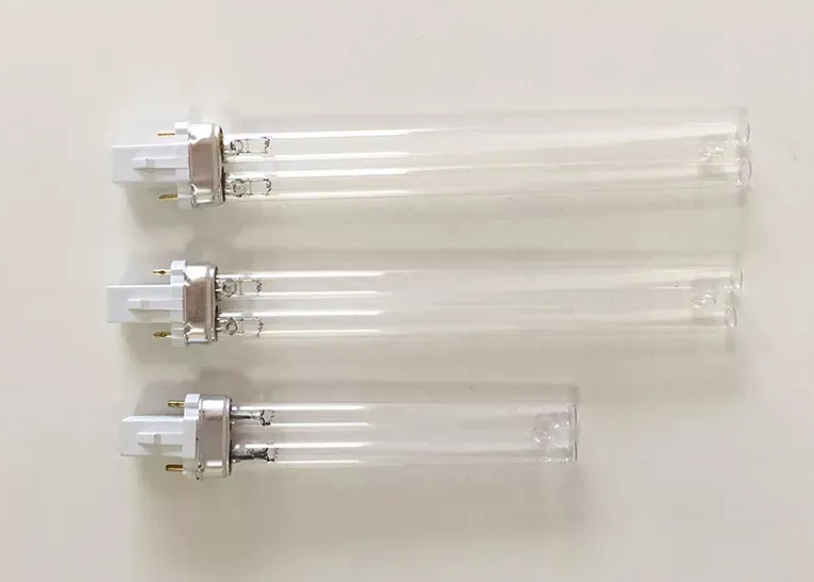
Gallium Halogen Lamps: Built for Real Solar Cell Testing
We built this lamp for one reason: to give you a true-to-life solar spectrum when you’re testing solar cells. It’s a high-intensity halogen unit, doped with gallium, and it was designed to stay steady. That stability is exactly what you need for accurate, repeatable measurements.
Power and Size: A Tight Package with Serious Output
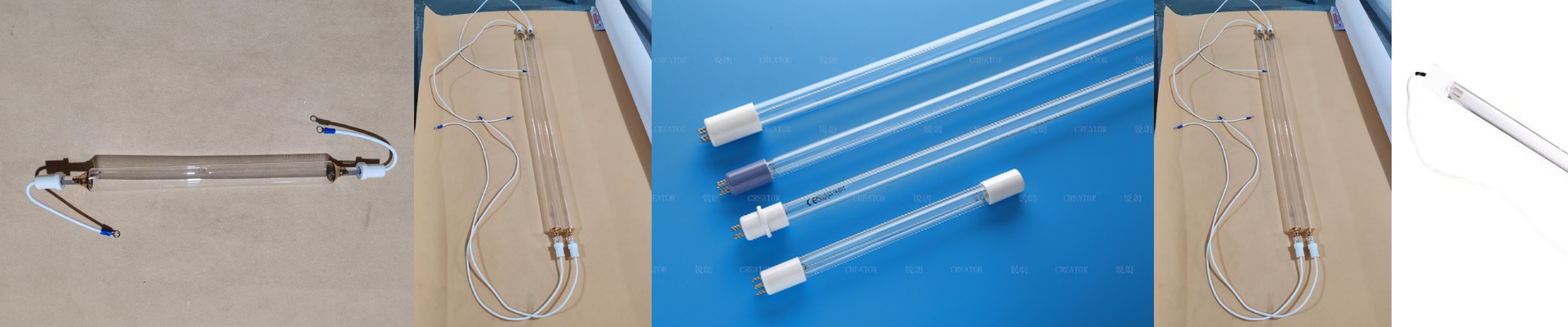
Here’s the specs, straight up. It runs on 400V and hits 2500W. That kind of power gives you the heat density needed to push out a strong, consistent spectral output. And the size? The tube is just 300mm long. That means it slips right into cramped test chambers without forcing you to rework your whole fixture. You get a lot of punch in a small footprint.
What’s Inside, and Why It Matters
We use gallium doping to shape the light spectrum, nudging it toward the solar match you need for proper cell characterization. The quartz envelope can handle the shock of rapid on/off cycles without cracking. And the internal halogen cycle does a neat trick—it keeps the tube clean by returning tungsten back to the filament. Then there’s the R7s connector. It’s a simple, two-pin design. You wire it up fast, and it holds its alignment. Swapping lamps becomes a quick job, not a wrestling match with fiddly mounts.
The Payoff—and the Price
When you’re testing solar cells, you need light you can count on, day after day. This lamp delivers that predictable output, so your test-to-test variance stays under control. But let’s be honest—there’s a trade-off. A 2500W lamp throws off a lot of infrared heat. So your fixture needs proper cooling and thermal shielding. Treat it like what it is: a powerful, drop-in heat source. Plan your thermal management from the start, and you’ll be set.