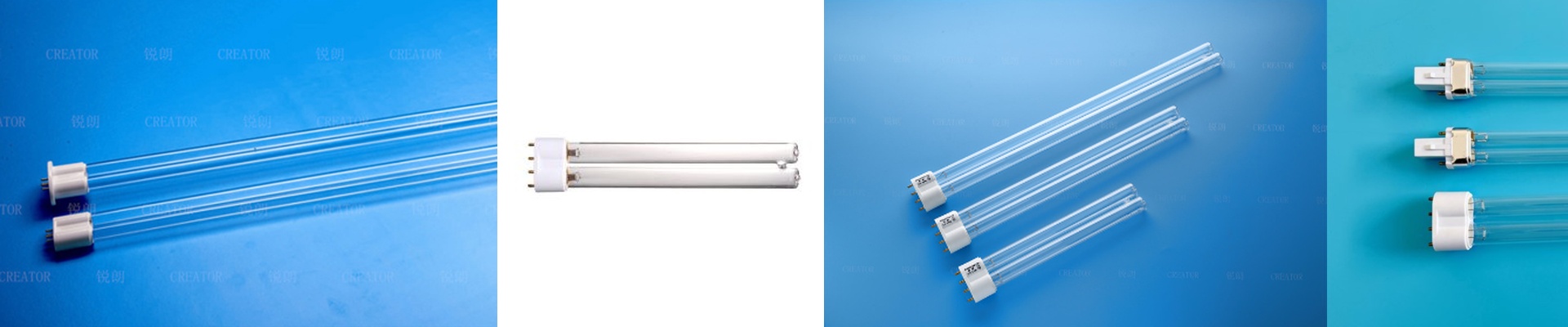
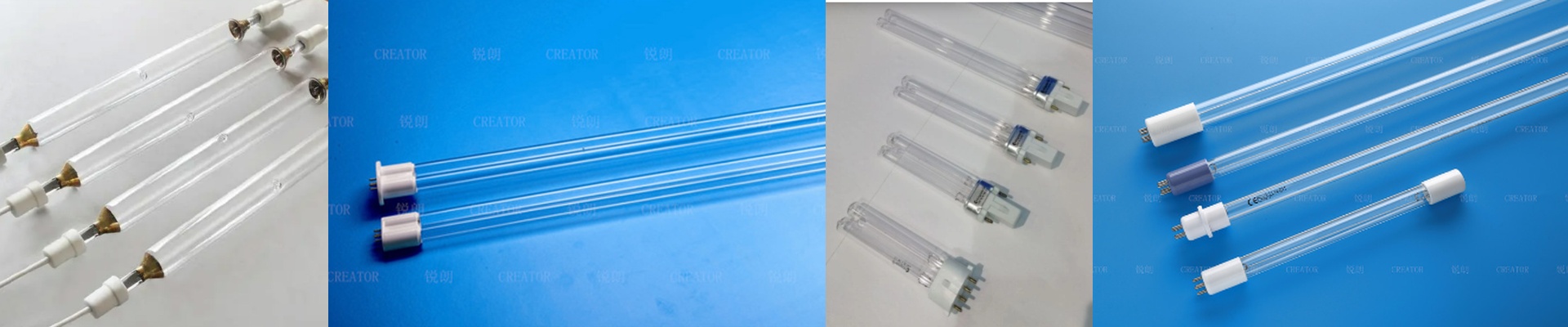
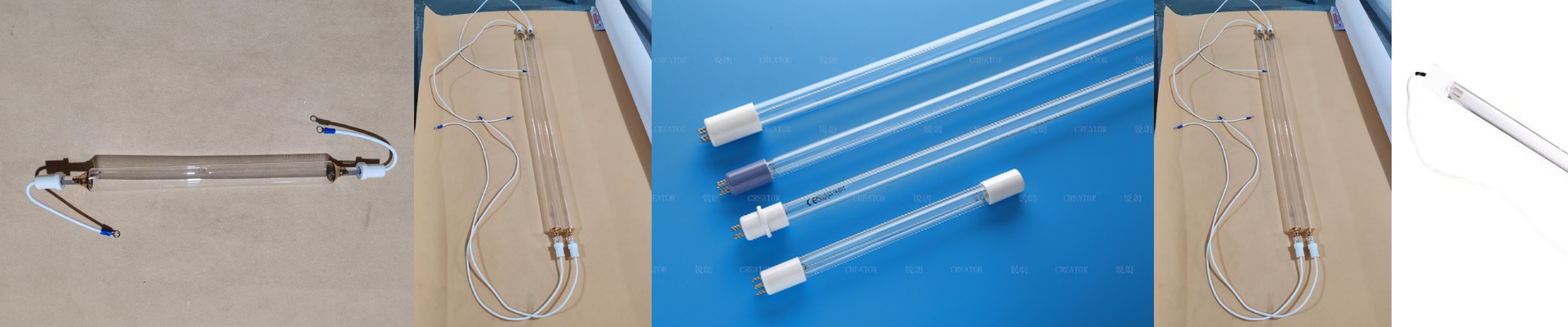
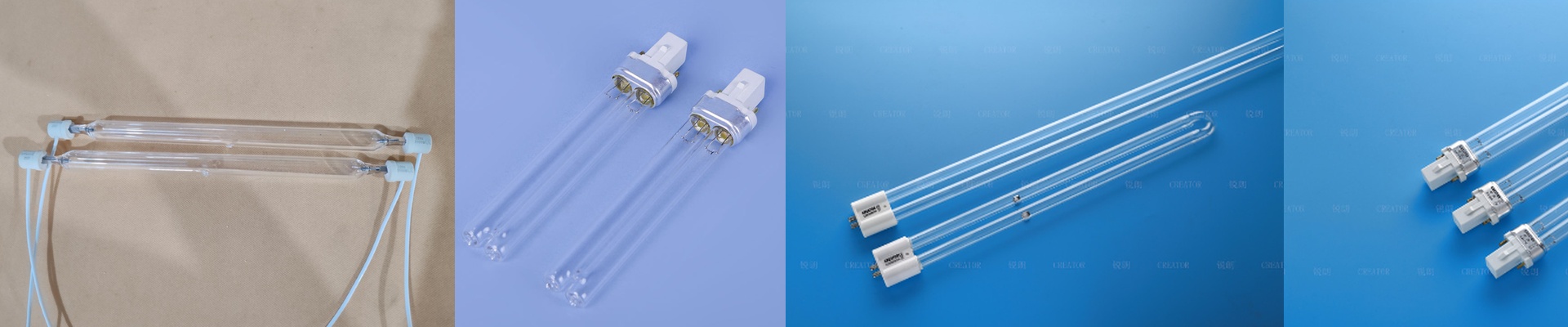
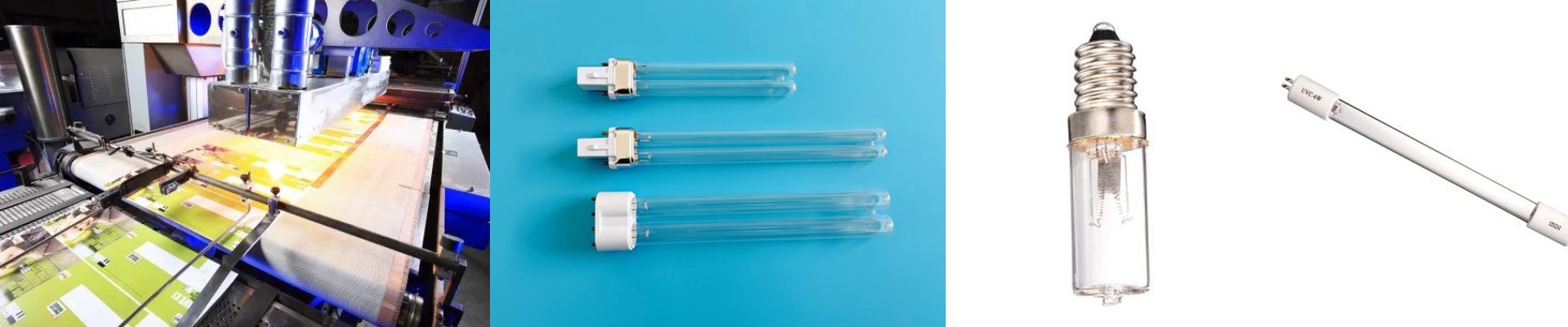

On a press that runs around the clock, a clean cure and a gummy substrate come down to millijoules per square centimeter. When the UV system isn’t pulling its weight, you get pinholes, adhesion problems, and stock you have to scrap. We built these ultraviolet high-pressure mercury lamps to deliver repeatable photon flux—no guessing.
What matters under the hood
These lamps put out a stable spectrum with a strong 365 nm line and solid UVA across the band, which lines up with how photoinitiators in UV offset, flexo, and screen inks absorb. Peak irradiance at the substrate is set by our dichroic-coated reflectors, so energy density stays even across the web. Output holds steady for 2,000 hours, then tapers off at end-of-life instead of falling off a cliff. We call out arc length, power density, and thermal load so your cooling and drive systems are matched to the lamp envelope.
Why this plays on a production floor
In industrial 4.0 workflows, uptime and repeatability are the KPIs that matter. High-pressure mercury lamps cure thick ink films and opaque whites without cooking the substrate, so you can run faster and scrap less. Energy density is predictable, which means you set the cure window once and it stays put, shift after shift. You get consistent cross-linking, better adhesion, and fewer stoppages tied to lamp behavior.
A few shop-floor realities
High-pressure mercury lamps need ballasts that are matched precisely, and cooling that stays stable. If the drive is off, lamp life drops and the spectrum drifts. Go with an ozone-free quartz envelope, and make sure your reflector geometry matches the lamp arc. Keep a spectral radiometer on hand, and track cumulative energy density so you change lamps before output drift starts to bite cure quality.