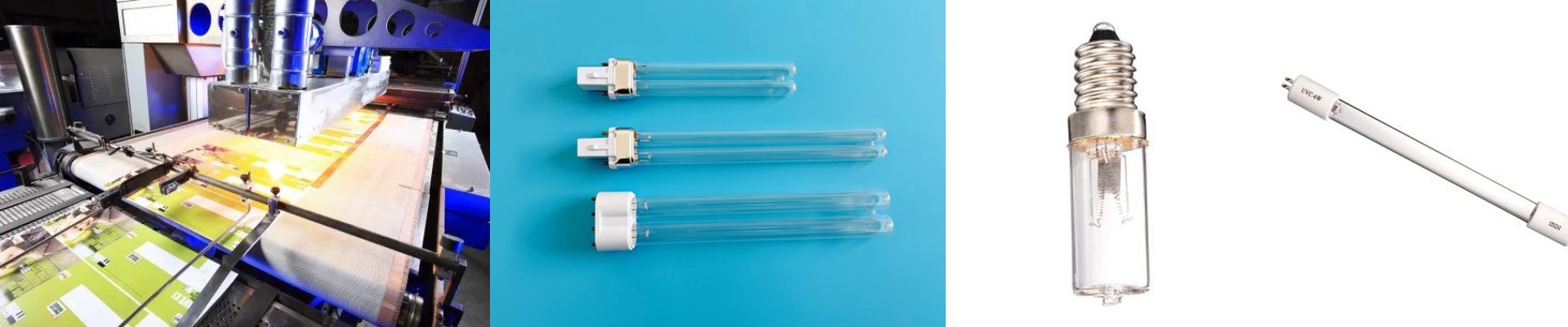
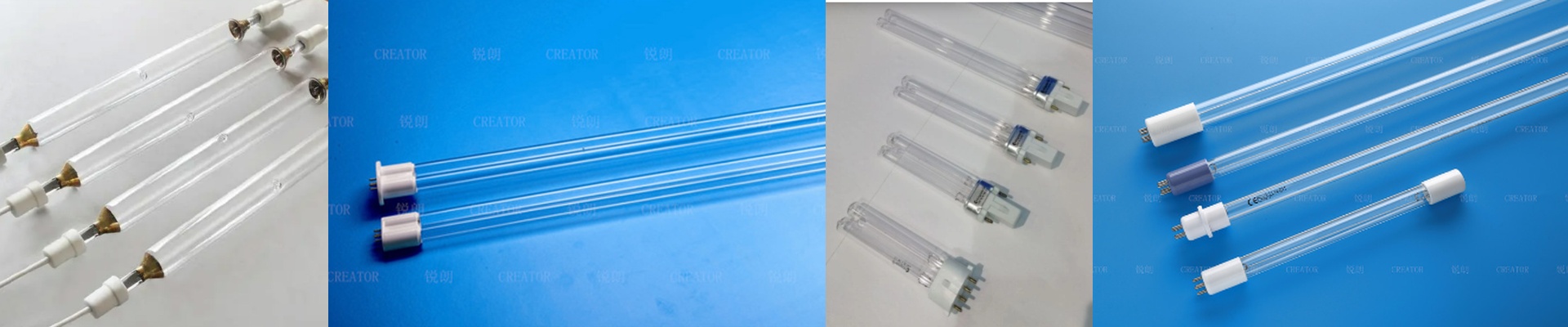
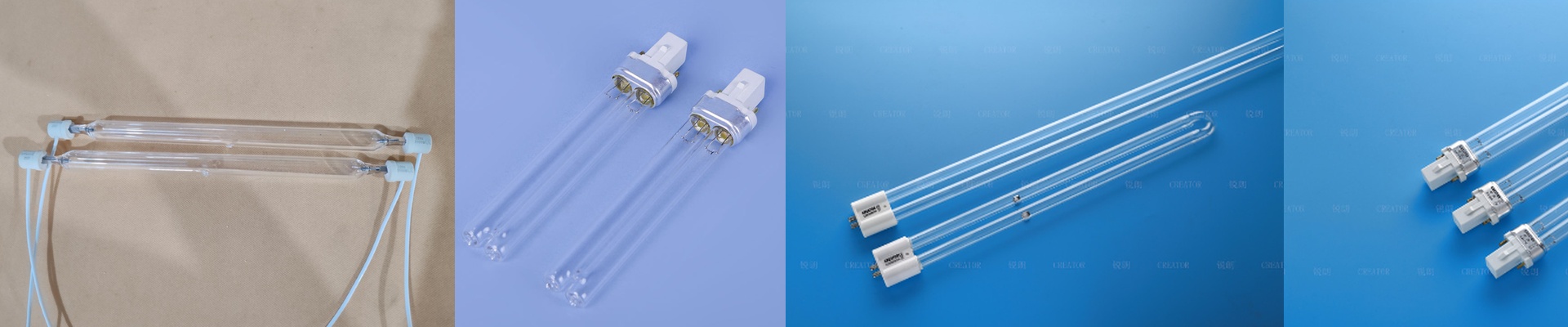
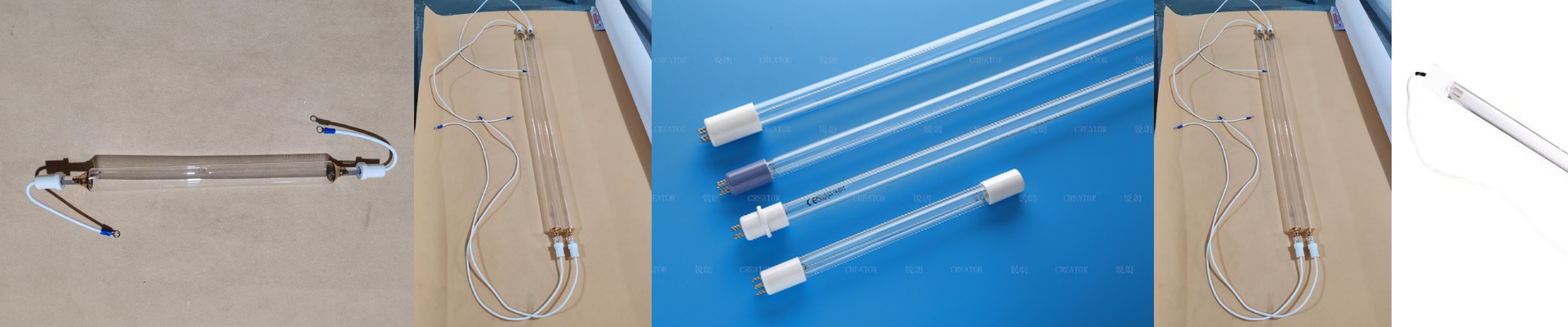
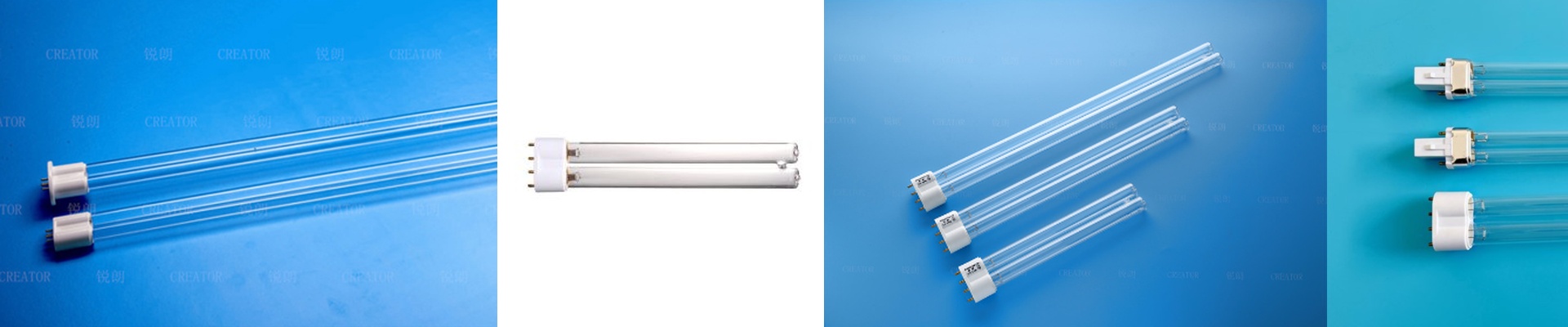
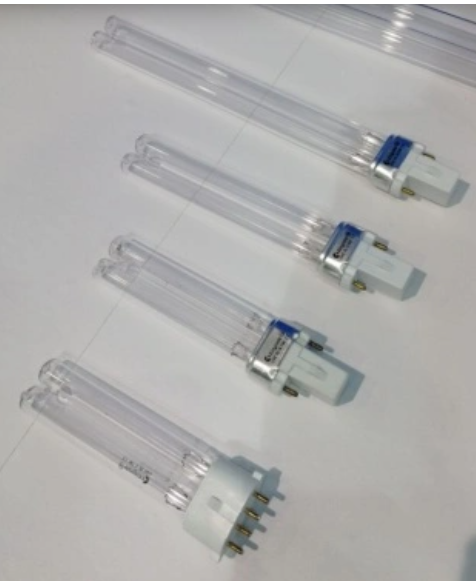
On an e-commerce line, a hot SKU has one habit: it moves the schedule on you, fast. If the UV lamp starts to drift, the press has to back off, the queue piles up, and that promise of quick shipment falls apart. It’s not about whether you can print. It’s whether your curing can keep up.
What actually matters on the technical side
UV intensity isn’t a vibe—it’s a number you can measure. Use a calibrated spectral radiometer to capture peak irradiance (mW/cm²) right at the substrate plane, then integrate over exposure time to get energy density (mJ/cm²). Our mercury vapor lamps are built around stable spectral output, with tight control on the dominant emission lines. You’re looking for consistent 365 nm/385 nm profiles and minimal spectral drift across the lamp life. High reflector efficiency, plus a controlled lamp-to-substrate gap, is what keeps the dose repeatable from job to job.
Why this matters for flexible supply
Flexible supply lives and dies on fast changeovers and predictable quality. When intensity is stable, you can push the press speed higher without under-curing, and you can hold color and adhesion across shifts. Long lamp life and low attenuation mean fewer unplanned stops for lamp swaps, so throughput stays protected. When lamp output stays flat, setups get quicker, and the line can pivot to the next big order without scrap or rework.
The details you can’t skip
Intensity readings live or die on distance, reflector condition, and lamp age. Install the lamp to the specified gap and measure with a fixed geometry—same every time. Keep the dichroic reflector clean. Dust and ink residue will scatter output and cost you dose. Make sure your radiometer covers the lamp spectrum. Narrow-band readings can miss the full dose the photoinitiator actually sees. For repeatability that holds, log readings at the same spot on the conveyor and keep the meter on a regular recalibration schedule.