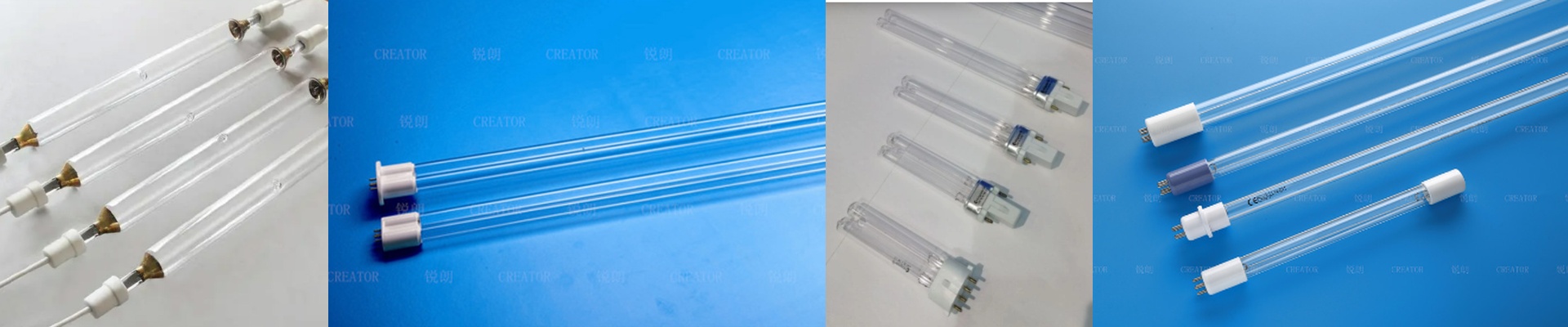
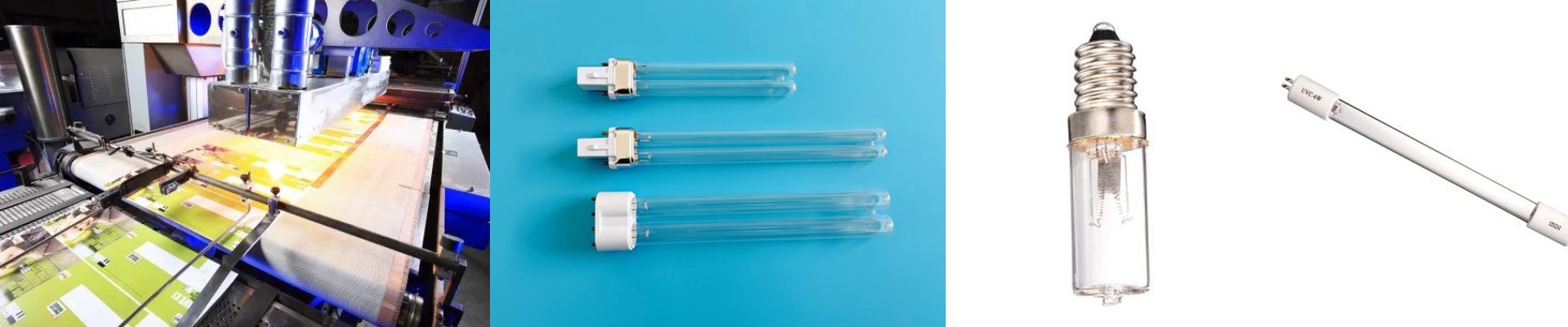
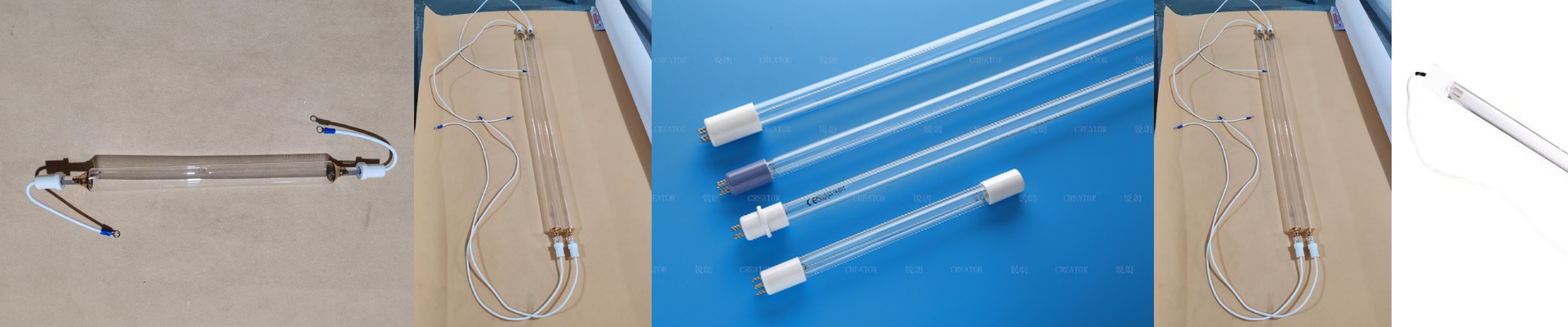
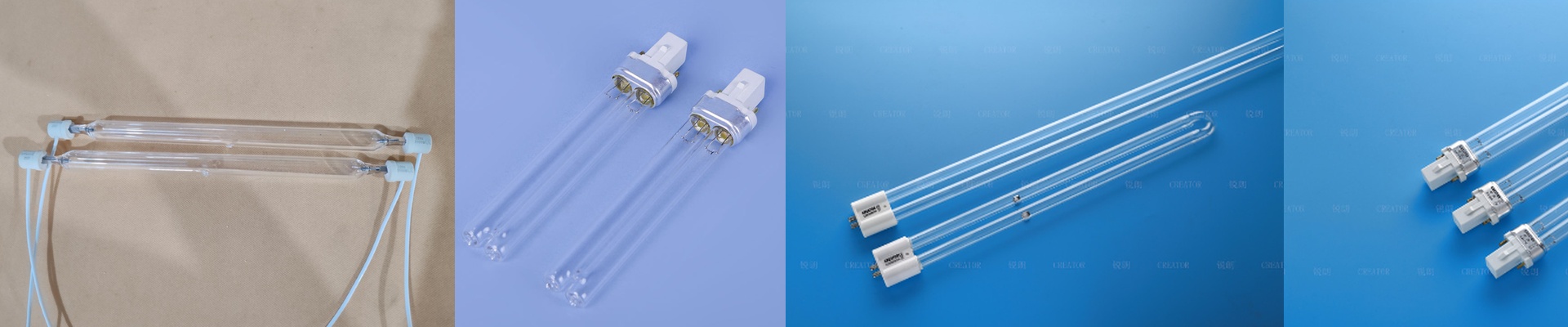
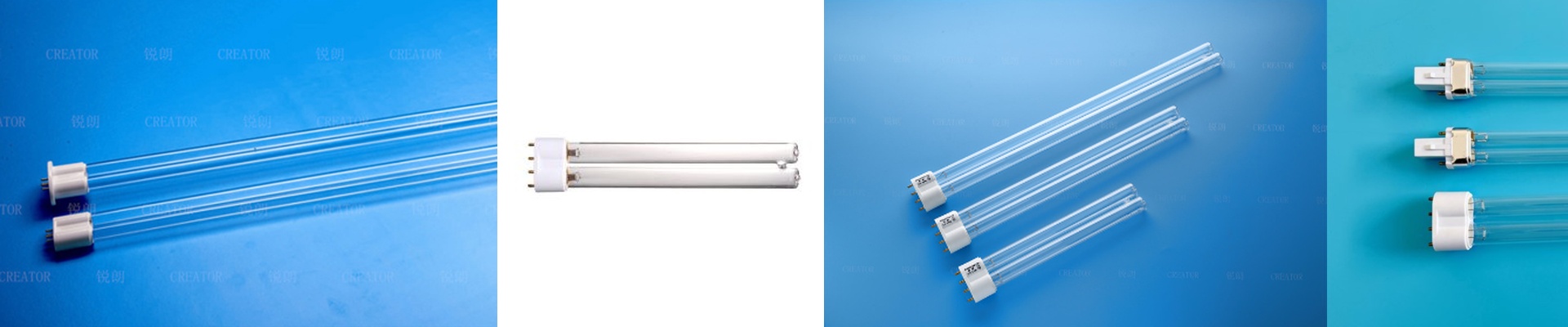
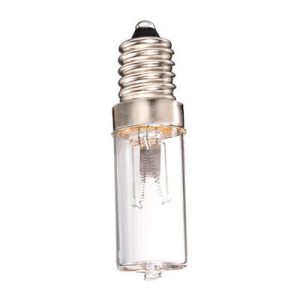
Step into any production floor where air and surface cleanliness directly affect yield, and you can feel the tension right away—throughput on one side, safety on the other. In facilities where operators share the same air as the process, germicidal UVC is the last line of defense against microbial load. But not all UVC sources are suitable for occupied spaces. The wrong lamp chemistry can introduce a secondary hazard—ozone—turning a control measure into a respiratory exposure. We build our UVC germicidal lamps with ozone-free quartz. Not just to clear the regulatory hurdles, but so people can keep breathing clean air while disinfection runs in real time.
What actually matters: spectral control, materials, and stable output
UVC disinfection works because microorganisms absorb radiation around 254 nm, damaging nucleic acids and stopping replication. The lamp’s job is to deliver stable 254 nm output and predictable irradiance across the target area. The envelope material is where lamps differ. Standard quartz transmits UVC efficiently, but it also lets through wavelengths below 200 nm. Those short wavelengths react with atmospheric oxygen and create ozone. In occupied areas, that can drive ozone concentrations up—irritation, and long-term respiratory concerns. We use ozone-free quartz with a controlled cutoff that blocks the most ozone-producing wavelengths while keeping 254 nm output high. In practice, that means a lamp that disinfects without turning the air into a chemistry problem. Performance-wise, germicidal effectiveness isn’t just about wattage. It’s about irradiance distribution and dose consistency across the surface being treated. Our lamps are built to hold output over life, with a controlled degradation curve. In real mounting setups, that translates to repeatable microbial reduction—no hot spots, no shadowed zones.
Why this works in occupied industrial settings
In occupied industrial spaces—packaging lines, assembly areas, cleanrooms, inspection stations—air and surface disinfection has to run continuously or during short breaks. Operators can’t step out every time a UVC cycle starts. Ozone-free UVC removes a big constraint. You can run disinfection during shifts without adding a respiratory hazard. That directly improves scheduling flexibility and operator compliance. The lamp stays on, microbial load drops, and work keeps moving. Speed is the other gain. UVC disinfection is immediate—no chemical dwell time, no heating, no drying delays. When a line changeover happens, you run a short surface irradiation cycle and get back to production. In high-throughput environments where contamination can trigger rejects, that keeps the process moving without adding hours. We also design for integration. Lamp geometry and mounting options line up with the housings and fixtures used in industrial disinfection systems. That means you can swap lamps without redesigning the enclosure, and standardize spares across multiple lines.
Installation realities and practical operating limits
Ozone-free quartz is safer for occupied spaces, but it doesn’t replace disciplined engineering. UVC radiation is hazardous to skin and eyes. Lamps must be housed in interlocked enclosures with proper shielding and warnings. No direct UVC exposure—ever. Even indirect reflections can be harmful if the layout isn’t built to contain the beam. Temperature matters. UVC output and lamp life are sensitive to operating temperature. Make sure the fixture provides the thermal management specified—ventilation, airflow, or controlled cooling as required. Push a lamp outside its rated temperature window and the output curve drops, life shortens. Orientation can change output uniformity and service life. Stick to the manufacturer’s recommended mounting angle. If the system was designed for a specific orientation, changing it shifts irradiance distribution and dose consistency across the target. And keep a maintenance plan. Wipe dust from housings and lamp surfaces on schedule. A film of dust can meaningfully reduce delivered irradiance, and the lamp can still appear lit while performance drifts. Pair periodic cleaning with a documented replacement interval based on hours and observed output stability. If you’re specifying UVC for occupied areas, the decision isn’t just dose and kill rates. It’s about delivering that dose without creating a secondary exposure. Ozone-free quartz gives you both—effective 254 nm germicidal output and air safety that matches how workplaces actually run.
生産現場に一歩足を踏み入れると、空気および表面の清浄度が歩留まりに直接影響するため、すぐに緊張感が伝わる。片方にスループット、もう片方に安全がある。作業者がプロセスと同じ空気を共有する施設では、殺菌用UVCは微生物負荷に対する最後の防衛ラインとなる。しかし、すべてのUVC光源が人がいる空間に適しているわけではない。不適切なランプの化学組成は副次的な危険物質であるオゾンを発生させ、制御手段が呼吸器暴露の原因となる。
当社のUVC殺菌ランプはオゾンフリーの石英ガラスで製造している。これは規制上のハードルをクリアするためだけでなく、消毒をリアルタイムで行う間も人々が清浄な空気を呼吸できるようにするためである。
本質的に重要なこと:スペクトル制御、材料、安定した出力
UVC消毒が機能するのは、微生物が254 nm付近の放射線を吸収し、核酸を損傷させて複製を停止させるためである。ランプの役割は、254 nmの安定した出力と対象エリア全体にわたる予測可能な照度を提供することである。
ランプの差異は封入材にある。標準的な石英ガラスはUVCを効率的に透過するが、200 nm以下の波長も通してしまう。これらの短波長は大気中の酸素と反応してオゾンを生成する。人がいるエリアではオゾン濃度が上昇し、刺激や長期的な呼吸器問題を引き起こす可能性がある。
当社はオゾンフリー石英ガラスを使用しており、オゾン生成量の多い波長を制御されたカットオフで遮断しつつ、254 nmの出力を高く維持している。実際には、空気を化学反応の問題にせずに消毒可能なランプを意味する。
性能面では、殺菌効果は単にワット数だけではなく、照度分布と処理面全体の照射量の一貫性が重要である。当社のランプは寿命中の出力を維持するよう設計されており、制御された劣化曲線を持つ。実際の設置状態では、これが再現性のある微生物削減を実現し、ホットスポットや影のあるゾーンを防ぐ。
人がいる産業環境での有効性
人がいる産業環境、例えば包装ライン、組立エリア、クリーンルーム、検査ステーションでは、空気および表面の消毒は連続的または短時間の休憩中に行う必要がある。UVCサイクルが始まるたびに作業者が離席することはできない。
オゾンフリーUVCは大きな制約を取り除く。シフト中に消毒を実施しても呼吸器への危険を追加しないため、スケジュールの柔軟性と作業者の遵守率が向上する。ランプは点灯を維持し、微生物負荷は低減し、作業は継続する。
もう一つの利点はスピードである。UVC消毒は即効性があり、化学薬品の反応時間、加熱、乾燥の遅延がない。ラインの切り替え時には短時間の表面照射サイクルを行い、すぐに生産に戻ることができる。高スループットの環境で汚染が不良品の原因となる場合、この方法は工程に余計な時間を追加せずに流れを維持する。
また統合性を考慮した設計も行っている。ランプの形状と取り付けオプションは産業用消毒システムで使用されるハウジングや器具に適合し、筐体の再設計なしでランプ交換が可能であり、複数ラインでのスペアパーツの標準化が可能である。
設置現実と実用上の運用制限
オゾンフリー石英ガラスは人がいる空間において安全性は高いが、厳密なエンジニアリングの代わりにはならない。
UVC放射は皮膚および目に危険である。ランプはインターロック付きの筐体内に収め、適切な遮蔽と警告を設けなければならない。直接のUVC曝露は絶対に避けること。間接反射であっても、ビームを封じ込める設計でなければ有害となる可能性がある。
温度管理は重要である。UVC出力およびランプ寿命は動作温度に敏感である。筐体は指定された熱管理(換気、気流、または必要に応じた制御冷却)を提供する必要がある。定格温度範囲外でランプを動作させると出力曲線が低下し、寿命が短くなる。
設置角度も出力の均一性と寿命に影響を与える。メーカー推奨の取り付け角度を守ること。特定の角度で設計されたシステムの場合、角度変更は照度分布と対象面での照射量の一貫性を変えてしまう。
メンテナンス計画も必須である。筐体およびランプ表面の埃は定期的に拭き取ること。埃の付着は実際の照度を大幅に低下させる可能性があり、ランプは点灯していても性能が低下している場合がある。定期清掃に加え、使用時間と観察された出力安定性に基づく交換時期を文書化して管理すること。
人がいる空間向けにUVCを選定する場合、単に照射量や殺菌率だけでなく、副次的曝露を発生させずにその照射量を届けることが重要である。オゾンフリー石英ガラスは、効果的な254 nm殺菌出力と、実際の作業環境に即した空気の安全性の両方を提供する。